


More news on this day
India is rushing to conserve fuel and foreign exchange as the Iran war triggers a historic global energy shock, with Prime Minister Narendra Modi publicly urging a renewed shift to work-from-home routines and a pullback from foreign leisure travel.
Get the latest news straight to your inbox!
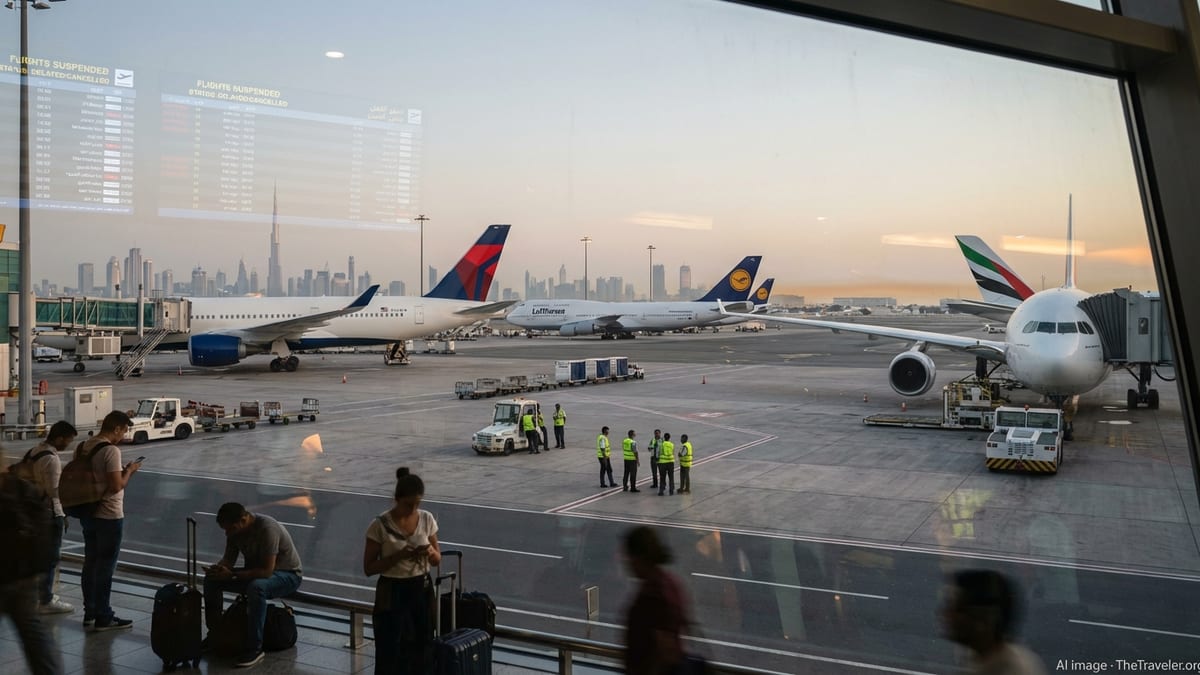
Energy Shock From Iran War Ripples Into India
The conflict involving Iran, the United States and regional allies has upended oil flows through the Strait of Hormuz, a chokepoint crucial to global crude shipments. International assessments describe the disruption as one of the most severe oil supply shocks on record, sending benchmark prices sharply higher and exposing the vulnerability of large fuel importers.
India, which relies heavily on imported crude to power transport, industry and household energy use, has been particularly exposed. Publicly available data show New Delhi has worked to cushion consumers through tax adjustments and emergency sourcing, but the spike in global prices is increasingly filtering into the broader economy, from transport costs to the cost of cooking gas.
Analysts note that the energy strain comes at a delicate moment for India’s post-pandemic recovery. While growth remains relatively strong compared with many major economies, higher fuel and fertiliser costs risk feeding inflation, squeezing household budgets and complicating fiscal plans as the government moves into an election-heavy period.
Indian policymakers have simultaneously launched diplomatic efforts in West Asia and sought diversified energy supplies, but the persistence of the conflict has prompted a visible pivot toward demand-side measures at home, aimed at reducing consumption and preserving foreign currency reserves.
PM Modi Revives Work From Home As Fuel-Saving Tool
Against this backdrop, Modi has turned back to a familiar tool from the Covid era. In a speech in Hyderabad on Sunday, covered widely by Indian and international outlets, he called on citizens and businesses to “again give priority” to work-from-home arrangements, online conferencing and virtual meetings wherever feasible.
Publicly available coverage of the address highlights the prime minister’s argument that habits developed during the pandemic can now serve as a buffer against the fuel crunch. By cutting daily commuting and business travel, officials hope to reduce demand for petrol and diesel, easing pressure on both pump prices and the country’s import bill.
The appeal aligns closely with recent guidance from the International Energy Agency, which has advocated temporary work-from-home policies and reduced air travel as among the fastest ways for governments to cut oil demand during crises. Indian commentary points out that, even if only a fraction of white-collar workers shift back to remote work, the cumulative impact on urban fuel use and congestion could be significant.
The call has immediately triggered debate inside India’s large services and technology sectors, many of which pushed employees back to the office over the past two years. Early reactions on business platforms and social media suggest a mix of support, scepticism and questions over how much responsibility for implementation will fall on companies versus individual workers.
Appeal To Limit Foreign Travel And Gold Purchases
Modi’s Hyderabad remarks went beyond work patterns to touch on broader consumption choices. According to published coverage by financial and political news outlets, he urged Indians who can afford it to postpone non-essential foreign trips and to refrain from large gold purchases, framing both behaviours as drains on precious foreign exchange at a time of heightened risk.
The focus on foreign leisure travel reflects concern that outbound tourism, which surged after pandemic restrictions eased, also represents a sizeable outflow of foreign currency through air tickets, hotel stays and overseas spending. With aviation already facing route disruptions and higher jet fuel prices linked to the conflict, officials appear keen to dampen demand before higher costs further strain carriers and balance-of-payments calculations.
Gold, traditionally a preferred savings asset for Indian households and a staple of wedding spending, is another major import. By calling for restraint, particularly around wedding-related buying, the government is signalling that even culturally sensitive consumption may need to be reconsidered in the face of an external shock that threatens economic stability.
Economists caution that voluntary appeals take time to translate into measurable macroeconomic effects. Yet they also note that sustained messaging from the top political leadership can influence sentiment, especially if banks, travel companies and jewellery retailers adjust marketing and financing strategies in parallel.
Travel And Tourism Brace For Turbulence
For the travel sector, the messaging from New Delhi comes on top of global headwinds from the Iran war. Aviation observers report that airspace restrictions, higher insurance costs and rerouted flights around conflict zones have already led to longer journey times and higher operating expenses across parts of Asia and the Middle East.
Indian carriers and international airlines serving the country are expected to face a dual squeeze from elevated jet fuel prices and any downturn in demand triggered by calls to curb overseas trips. Industry analysts say airlines may respond with selective fare increases, capacity adjustments and a sharper focus on high-yield business routes less sensitive to price rises.
Inbound tourism to India could prove more resilient in the near term, as the country is marketed as a relatively distant destination from the main conflict theatre and has, so far, avoided major disruptions to its own airspace. However, persistent global uncertainty and rising travel costs could still deter long-haul visitors from Europe and North America, who are already facing higher household bills at home.
Domestic tourism, which has been a key pillar of India’s post-pandemic travel rebound, may receive mixed signals from current policy. On one hand, higher fuel prices and conservation appeals could discourage long road trips and frequent flying. On the other, travellers may choose closer-to-home destinations, accessible by rail or short-haul flights, in place of once-a-year international holidays.
Balancing Economic Protection With Public Fatigue
The government’s emphasis on behavioural change underscores the limits of purely financial interventions in a prolonged energy shock. With fiscal room constrained by earlier fuel tax cuts and social spending commitments, policymakers are increasingly turning to soft tools that rely on public participation, from work-from-home norms to fuel-saving driving habits.
At the same time, there is visible fatigue among households and businesses after years of pandemic disruption and inflation. Commentaries in Indian media highlight concerns that renewed calls for sacrifice risk falling unevenly, affecting urban commuters and small businesses more sharply than wealthier groups whose travel and consumption patterns are harder to shift.
For now, the official line stresses that the measures are precautionary and temporary, aimed at navigating what international agencies describe as one of the toughest global energy security tests in decades. If the conflict in Iran and the wider region drags on, however, India and other large importers may face pressure to move from voluntary appeals toward more formal guidelines on energy use, travel and work patterns.
For travellers and the tourism industry, the coming months are likely to bring a more volatile operating environment, with airfares, fuel surcharges and visa decisions increasingly shaped by the trajectory of a war far beyond India’s borders and by how deeply its government and citizens choose to alter daily routines in response.