


More news on this day
Kenya Airways is facing one of its most weather-disrupted seasons in recent memory, yet recent diversions, rapid operational decisions and clearer customer messaging are offering travelers a rare sense of reassurance in turbulent skies.
Get the latest news straight to your inbox!
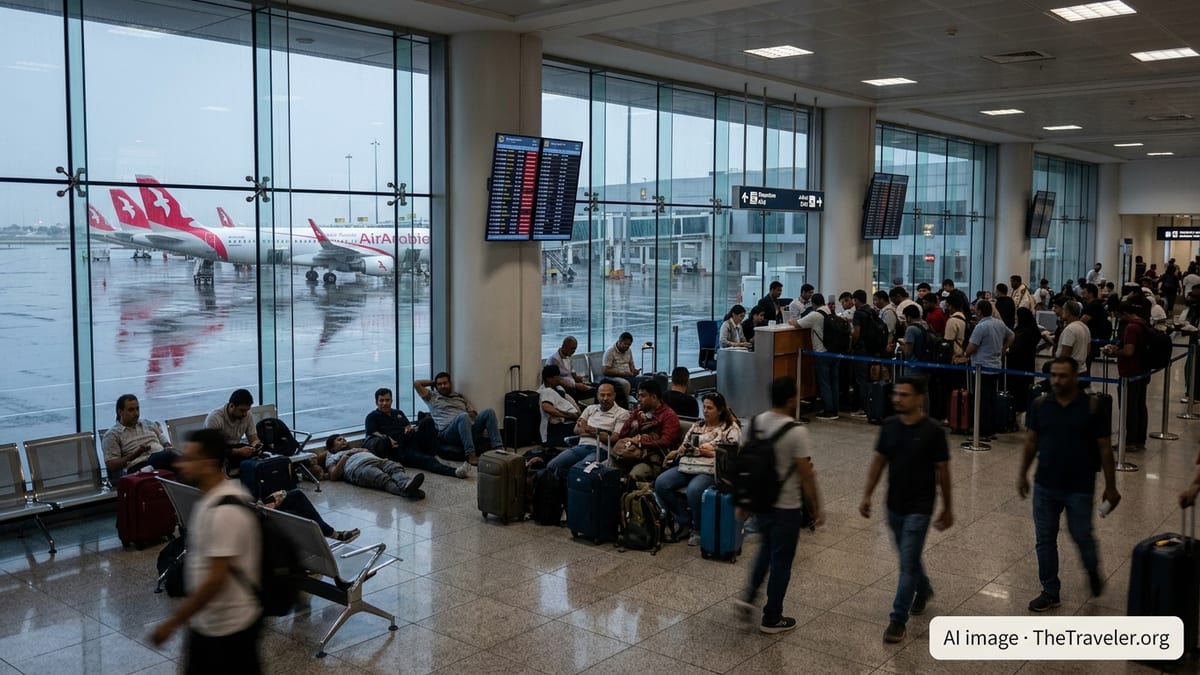
Fog, Floods and a Season of Fast-Changing Skies
From heavy downpours in Nairobi to dense fog at major hubs, Kenya’s national carrier has been operating in a dramatically more volatile weather environment in early 2026. Publicly available information shows that repeated storms, low visibility and wider regional flooding have combined to test airline schedules and airport infrastructure across East Africa.
On several recent mornings, flights approaching Nairobi’s Jomo Kenyatta International Airport were forced to divert when fog and low cloud reduced visibility below operating thresholds. Reports from local outlets indicate that at least two Kenya Airways services were redirected to alternative airports after pilots abandoned approaches to the capital, citing conditions that made a safe landing impossible within normal procedures.
The weather challenges have not been limited to the skies above Nairobi. In March, heavy overnight rains linked to wider flooding across Kenya affected flight operations, with some Kenya Airways services diverted to Mombasa after conditions at Jomo Kenyatta International Airport deteriorated. Aviation advisories during the same period highlighted the risk of sudden storms, runway surface water and reduced visibility for arriving and departing aircraft.
Together, these episodes underscore how quickly operations can shift when meteorological conditions move beyond safe limits. For passengers, the experience often begins with a routine boarding announcement and ends with an unexpected arrival hundreds of kilometers from their planned destination.
Swift Diversions Underscore Safety-First Decisions
Recent incidents have offered a window into how Kenya Airways responds when weather patterns thwart carefully planned schedules. When thick fog settled over Jomo Kenyatta International Airport in early May, publicly available statements show that two flights bound for Nairobi were diverted to Kilimanjaro International Airport. The aircraft remained in a holding pattern only briefly before rerouting, minimizing time in the air while conditions at the home hub were assessed.
Observers note that such diversions are considered standard safety procedures across global aviation and are triggered long before safety margins are compromised. Flight crews rely on continuously updated weather data from air traffic control and onboard instruments, as well as pre-defined decision points that determine whether to continue an approach, hold or divert to an alternate airport.
Earlier in the season, a Kenya Airways service from Nairobi to Kigali returned to the Kenyan capital after repeated attempts to land in Rwanda were hampered by worsening visibility. Media reports on that February episode describe the return as a textbook example of a precautionary “air turnback,” a maneuver that allows the aircraft to land quickly at a well-equipped base rather than continue to confront deteriorating weather further from home.
In both cases, passengers endured extended journey times and missed connections. Yet aviation analysts point out that the very fact these diversions concluded with routine, uneventful landings is a measure of success. By acting early and decisively, crews preserved critical safety margins while ground teams began planning alternative routings.
Global Weather Shocks Reach Long-Haul Routes
Kenya Airways has also been forced to reckon with severe weather well beyond African airspace. In February, a blizzard and heavy snowfall in New York prompted a temporary halt to operations at John F. Kennedy International Airport. According to published coverage, Kenya Airways responded by suspending specific Nairobi–New York services while east coast airports cleared runways, de-iced aircraft and gradually reopened.
Those cancellations left transatlantic travelers scrambling to rebook, with some connecting passengers facing unplanned hotel stays and complicated onward itineraries. The disruption underlined how vulnerable long-haul networks remain to regional storms that can overwhelm even the most seasoned hubs and carriers.
Weather-related cancellations on strategic intercontinental routes can carry an outsized operational and reputational impact. Long-haul flights rely on carefully sequenced aircraft rotations, crew duty limits and tight connection windows. When a snowstorm in North America interrupts that chain, the ripple effects can reach Europe, Asia and Africa within hours, particularly for airlines with lean fleets.
For Kenya Airways, the New York suspensions unfolded just as the carrier was working to rebuild its long-haul schedule and improve reliability following recent financial and operational headwinds. Industry observers suggest that handling such events transparently and efficiently is crucial to maintaining traveler confidence in a competitive global market.
Clearer Communication Helps Contain Passenger Frustration
If diversions and cancellations are the visible side of a stormy season, communication is the less obvious factor that can decide whether travelers leave feeling reassured or abandoned. In the latest disruptions, Kenya Airways has leaned heavily on customer updates through social platforms, email alerts and public advisories to explain weather impacts in real time.
During the April visibility problems in Nairobi, the airline issued broad alerts warning of expected delays and potential diversions, encouraging travelers to monitor their flight status closely. Publicly available statements stressed that safety considerations were driving decisions and noted that operations would normalize as soon as conditions improved. Similar messaging accompanied the New York weather suspensions, outlining the dates affected and the steps passengers could take to rebook.
Travel industry analysts note that such preemptive communication can significantly reduce confusion at airport terminals. By setting expectations early about the possibility of delays, missed connections or overnight stays, airlines give travelers more time to adjust plans, contact accommodation providers and manage sensitive commitments such as safaris or business meetings.
At the same time, online discussion among passengers shows that expectations are rising. Many travelers now look for proactive rebooking options in airline apps, detailed notifications and clearer guidance on entitlements when weather derails plans. For carriers like Kenya Airways, keeping pace with those expectations is becoming as important as rerouting aircraft around storms.
Disruption Lessons for a Climate-Stressed Future
The cluster of weather-related incidents affecting Kenya Airways in early 2026 comes against a backdrop of mounting concern about climate volatility in East Africa and beyond. Meteorological agencies have drawn attention to more intense rainfall events, longer dry spells and a higher likelihood of sudden storms that can test drainage systems, power grids and aviation infrastructure.
Industry reports suggest that airlines are beginning to adapt by revisiting diversion strategies, strengthening coordination with airports and upgrading systems that feed real-time weather data into operational control centers. Investments in these areas can help carriers decide earlier when to reroute flights, reposition aircraft or slow down schedules before severe weather peaks.
For travelers, the new reality is that diversions, extended ground holds and overnight delays may become more common, particularly during regional rainy seasons or when global storm systems affect multiple hubs. The experience of Kenya Airways this year illustrates both the unavoidable nature of weather-related disruption and the ways in which rapid decision-making and clearer communication can soften the impact.
As the current rainy season continues, passengers flying with the Kenyan carrier are being reminded to build flexibility into itineraries, ensure that contact details are correct in bookings and keep a close eye on airline advisories. In an era of more unpredictable skies, the combination of swift diversions and transparent messaging may be the closest thing travelers have to a guarantee.