


More news on this day
European air travel is entering a new period of volatility as a sharp spike in jet fuel prices drives widespread flight cancellations, schedule cuts and higher fares across key markets including Germany and France, raising the prospect of a turbulent summer for holidaymakers and business travellers alike.
Get the latest news straight to your inbox!
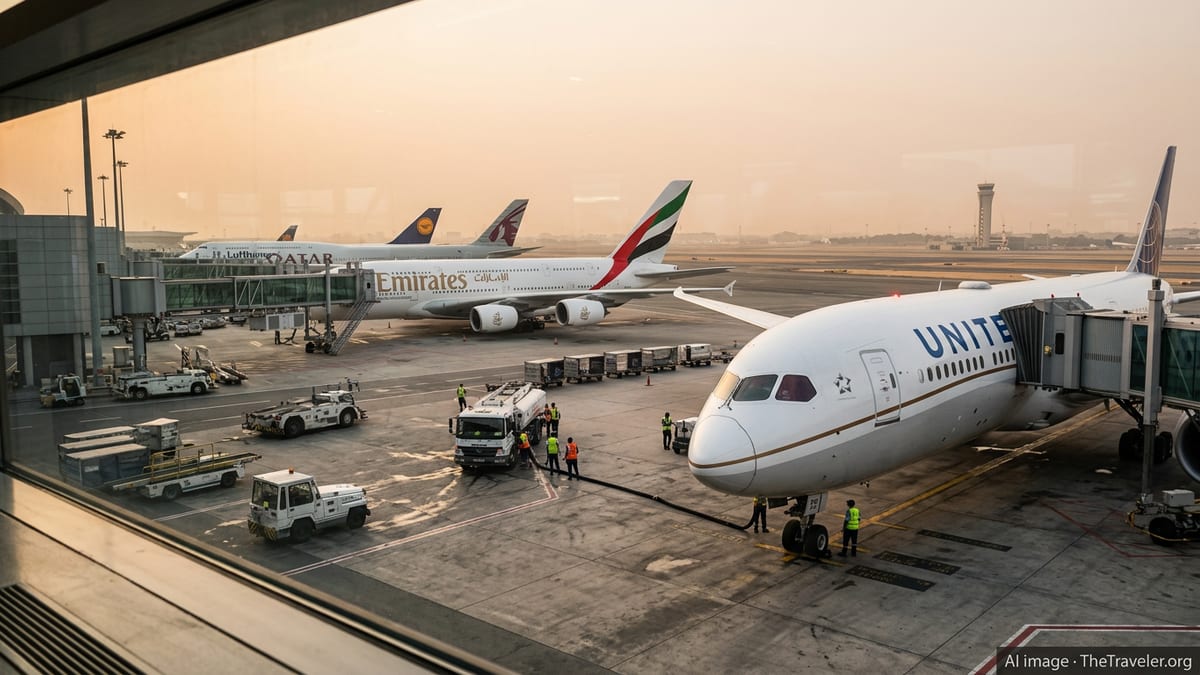
Jet Fuel Shock Hits European Schedules
Wholesale jet fuel prices in Europe have surged to more than double early 2026 levels, propelled by disrupted oil flows through the Strait of Hormuz and tighter global refining capacity. Industry data shows benchmark jet prices in the region climbing from pre-crisis levels of around 2.25 dollars per gallon to well above 4.50 dollars per gallon in April, pushing airlines to reassess their capacity plans and fare structures.
European carriers typically hedge a significant share of their annual fuel needs, which can delay the impact of sudden price spikes. But analysts note that many of those hedges are now rolling off, leaving airlines more exposed to spot-market costs just as demand builds toward the peak summer season. Research published in late April describes the current situation as an 80 percent or greater surge in jet fuel costs compared with early 2026, a jump that is rapidly eroding profit margins.
According to published coverage from aviation and energy consultancies, jet fuel now rivals or surpasses labour as the single largest line item in airline operating budgets. The abrupt nature of the increase, rather than the absolute price alone, is cited as a key pressure point, with carriers scrambling to cut unprofitable routes, reduce frequencies and re-time flights to conserve fuel.
Network planners across the continent are responding by thinning out schedules, especially on shorter routes where fuel costs are spread across fewer revenue miles. The result is a pattern of patchy capacity reductions that is already visible in major European markets and is likely to intensify in the coming weeks if fuel prices remain elevated.
Lufthansa and German Hubs Face Deep Cuts
Germany has emerged as one of the focal points of the disruption. Reports indicate that Lufthansa Group has announced the cancellation of roughly 20,000 flights from its summer timetable through October, in what is widely described as the most extensive single schedule reduction yet linked directly to the jet fuel crisis. The cuts are concentrated on short haul and intra-European services, many of them touching Frankfurt and Munich, as well as secondary German airports.
Publicly available information from airline statements and industry briefings suggests that Lufthansa is targeting routes with lower yields and higher fuel burn per seat, in an effort to protect core long haul operations and key business markets. While some of the affected flights are being consolidated into larger aircraft or different time slots, a significant number are outright cancellations, reducing connectivity for regional cities and increasing the risk of missed connections for transfer passengers.
Travellers in Germany are already seeing the impact in the form of busier remaining flights, fewer departure options and rising prices on key domestic and European routes. Consumer forums and travel platforms have reported a spike in last minute schedule changes, including day of departure cancellations and rebookings, as carriers fine tune their networks in response to volatile fuel prices and evolving supply forecasts.
Industry monitoring by European air traffic agencies shows that overall traffic volumes in German airspace remain below pre-crisis expectations for 2026, despite robust demand, reflecting the effect of these fuel driven capacity cuts. Airlines are signalling that further adjustments are possible if jet fuel supply tightens further into June and July.
French Travellers Confront Cancellations and New Fees
France is experiencing its own wave of disruption as airlines recalibrate operations at Paris and key regional airports. Coverage in French and European media in early May highlights hundreds of cancellations and schedule changes affecting both legacy and low cost carriers serving cities such as Paris, Lyon, Marseille, Nantes and Bordeaux.
Some airlines operating extensive French networks have introduced new pricing mechanisms explicitly tied to jet fuel costs. Reports on the Spanish carrier Volotea, which has a strong presence in regional French markets, describe a temporary adjustment formula that allows ticket prices to be modified after purchase within defined limits, reflecting movements in fuel prices. At the same time, the airline has adjusted its schedules through at least the end of June, cancelling a portion of planned services in France and elsewhere in Europe.
Passenger advocates in France note that even relatively small percentages of cancelled flights can translate into thousands of disrupted journeys when spread across busy travel weeks. Travellers are being urged by consumer groups and travel advisers to check itineraries repeatedly in the days before departure and to be aware of their rights under European air passenger protection rules when flights are cancelled or heavily delayed.
Higher base fares and added surcharges are also becoming more common on routes touching French airports, as carriers seek to pass some of the fuel burden to customers. Analysts expect leisure travellers on popular summer routes to Mediterranean destinations from France and neighbouring countries to feel the greatest squeeze as capacity tightens and prices rise.
Ripple Effects Across Europe: Cuts, Delays and Higher Fares
The impact of the jet fuel surge extends far beyond Germany and France. Reports compiled by European regulators, airline associations and aviation data providers show widespread schedule trimming across the continent, with at least two million seats removed from May and June timetables alone as airlines cut frequencies, reduce night operations and abandon marginal routes.
Scandinavian carrier SAS has announced the cancellation of at least 1,000 flights in April, with additional adjustments expected if fuel markets fail to stabilise. Irish based low cost group Ryanair has publicly signalled that it is considering cutting up to 10 percent of flights if fuel prices remain elevated, while other budget carriers are reducing capacity growth plans for the peak summer period.
Southern European markets are feeling particular strain. Outlets covering Spain and Italy report that some regional routes have already been suspended as fuel costs make point to point services less viable, and airports have warned of potential further cancellations if jet fuel supplies tighten. At the same time, European air traffic management data points to growing congestion and delay risks in busy summer skies, as airlines bunch remaining flights into preferred time bands to maximise efficiency.
Beyond cancellations, travellers are encountering a patchwork of new and revived fuel related charges. Industry fact boxes compiled by international news services list a range of measures, from overt fuel surcharges and fare hikes to more subtle changes in baggage rules, ancillary fees and fare conditions, all designed to recoup part of the increase in operating costs.
What Travellers Should Expect in the Coming Weeks
With European jet fuel inventories described by energy analysts as uncomfortably low and import flows from the Middle East still constrained, aviation forecasters expect the current disruption to persist at least through early summer. Research cited by European media suggests that regional jet fuel stocks could fall below key buffer thresholds in June, raising the risk of further capacity cuts and operational constraints if demand for travel remains strong.
Forecasts from Eurocontrol and other aviation bodies show that while overall flight numbers in Europe are still growing year on year, they are falling short of the levels previously projected for 2026. This gap is increasingly attributed not to weak demand but to supply side limits in the form of fuel costs, jet fuel availability and airline financial resilience.
For travellers planning trips to or within Europe, including popular itineraries involving Germany, France, Spain, Italy and the UK, the practical advice from consumer organisations and travel specialists is to prepare for continued volatility. Flexible tickets, longer connection times, early morning departures and up to date contact details with airlines are being emphasised as ways to mitigate the risk of disruption.
Regulatory guidance from European institutions also remains a crucial reference point. Publicly available information from the European Commission indicates that, in general, rising fuel prices alone do not exempt airlines from their compensation and care obligations when flights are cancelled or significantly delayed. As the jet fuel crisis unfolds, the tension between airlines' financial pressures and passengers' rights is likely to remain a central theme in Europe’s travel landscape throughout the 2026 summer season.