


More news on this day
India’s biggest airline by market share, IndiGo, is experiencing fresh technology turbulence as problems on its reservation platform disrupt online bookings, flight searches and web check in for some passengers, according to multiple user reports on Wednesday.
Get the latest news straight to your inbox!
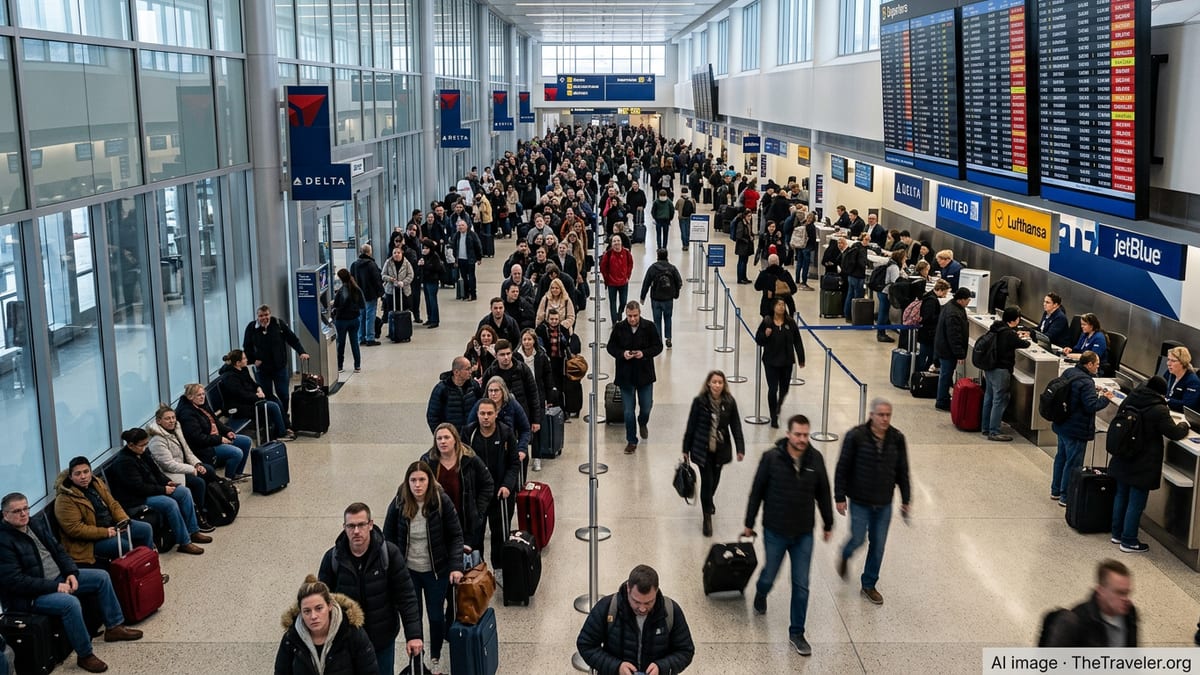
Travelers report failed bookings and frozen logins
Publicly available information from traveler forums and social media on August 19 indicates that IndiGo customers have struggled for several hours to access core services on the carrier’s website and mobile app. Users describe repeated error messages when searching for flights, attempting to pay for tickets or simply trying to log in to their accounts.
Several accounts describe situations in which payments appeared to go through but bookings remained stuck in an “on hold” status or did not generate a confirmed reservation. In other cases, potential passengers say they were unable to even reach the booking stage because the system returned generic “something went wrong” messages or failed to load available flights.
The disruption has led some travelers to switch to rival airlines for urgent journeys, as they report being unable to complete IndiGo reservations through either the airline’s direct channels or popular third party travel apps that rely on the same underlying reservation platform.
Some accounts also point to long waits to reach call center support, suggesting that the platform issues may have triggered a spike in customer inquiries and refund questions during the outage period.
Web check in and seat selection add to passenger frustration
Alongside booking problems, passengers are also reporting difficulties with IndiGo’s web check in functions, a critical step for travelers who rely on mobile boarding passes or India’s DigiYatra biometric airport process. Posts over the past few hours describe failed attempts to check in online, with customers asking whether there is any alternative way to complete mandatory pre departure formalities.
These same channels show that web check in friction is not entirely new for the airline. In recent weeks, travelers have shared screenshots and step by step descriptions of IndiGo’s online check in flow appearing to require paid seat selection before allowing them to proceed. Some users say the “next” button on the seat map does not work unless a chargeable seat is chosen, while others report that free seats are available but difficult to find.
Although experiences vary by route and time of day, this pattern has left some passengers uncertain whether they can obtain a free auto assigned seat online or must either pay extra or wait to check in at the airport. When combined with today’s broader platform problems, the situation has led to renewed criticism of the airline’s digital user experience and transparency around ancillary charges.
For travelers flying later on Wednesday, questions are also emerging about whether airport kiosks and check in counters can fully compensate for any continued online outages, especially at busy metro hubs where IndiGo operates dense schedules.
IndiGo’s tech challenges follow earlier disruption episodes
The latest platform difficulties come less than two years after IndiGo was among the carriers affected by a global information technology outage linked to security software used by airlines and airports worldwide. At the time, Indian carriers including IndiGo, Akasa Air, SpiceJet and Vistara experienced reservation and check in disruptions that highlighted the sector’s reliance on interconnected IT systems.
More broadly, IndiGo has spent the past year managing the operational and reputational fallout from a major scheduling crisis in late 2025 and early 2026, when thousands of flights were disrupted after the airline struggled to adapt to new flight crew duty time regulations. Analysts’ assessments at the time noted that technology, staffing and planning decisions all contributed to those problems.
Industry reporting over recent months indicates that IndiGo has been under pressure to upgrade and streamline its digital infrastructure while also expanding its network and handling record passenger volumes. Against that backdrop, today’s reservation platform issues add to questions about the resilience of the airline’s core booking and check in systems, particularly during periods of high demand or system change.
The carrier remains India’s dominant airline by domestic market share, which means even partial outages can have a noticeable impact on the wider travel ecosystem, from airport operations to travel agencies and online booking intermediaries.
Impact on travelers and what passengers can do
For passengers caught up in the current disruption, the most immediate concern is whether existing bookings are safe and whether they will be able to obtain boarding passes in time for departure. Public reports suggest that, in many cases, tickets purchased before today’s issues began still appear in customer accounts, even if access to web check in is temporarily blocked.
Travelers facing urgent departures are turning to a mix of options. These include arriving early at the airport to use staffed counters or self service kiosks for check in, checking for IndiGo inventory on third party channels where searches still function, or, if necessary, switching to other airlines on key domestic and regional routes. Some users also describe collecting screenshots and payment confirmations in case they need to pursue refunds or disputes later.
Consumer advocates routinely advise passengers affected by airline IT outages to document all interactions, hold on to boarding passes and receipts, and monitor airline announcements for any changes to rebooking and refund policies. Past episodes in India and abroad show that large carriers often adjust their handling rules in the hours after a major system failure, which can affect what compensation or flexibility travelers ultimately receive.
For now, available reports suggest that IndiGo’s disruption is most visible on its digital front end, particularly for new bookings and web check in. Travelers with imminent flights are watching closely for signs that the carrier’s reservation platform is stabilizing and that normal service, including reliable flight search, payment processing and seat assignment, is restored across channels.