


More news on this day
American Airlines is set to overhaul its inflight entertainment strategy, outlining plans to install advanced seatback screens across nearly its entire mainline fleet in a shift that moves the carrier closer to rivals Delta Air Lines and United Airlines on tech-focused cabin amenities.
Get the latest news straight to your inbox!
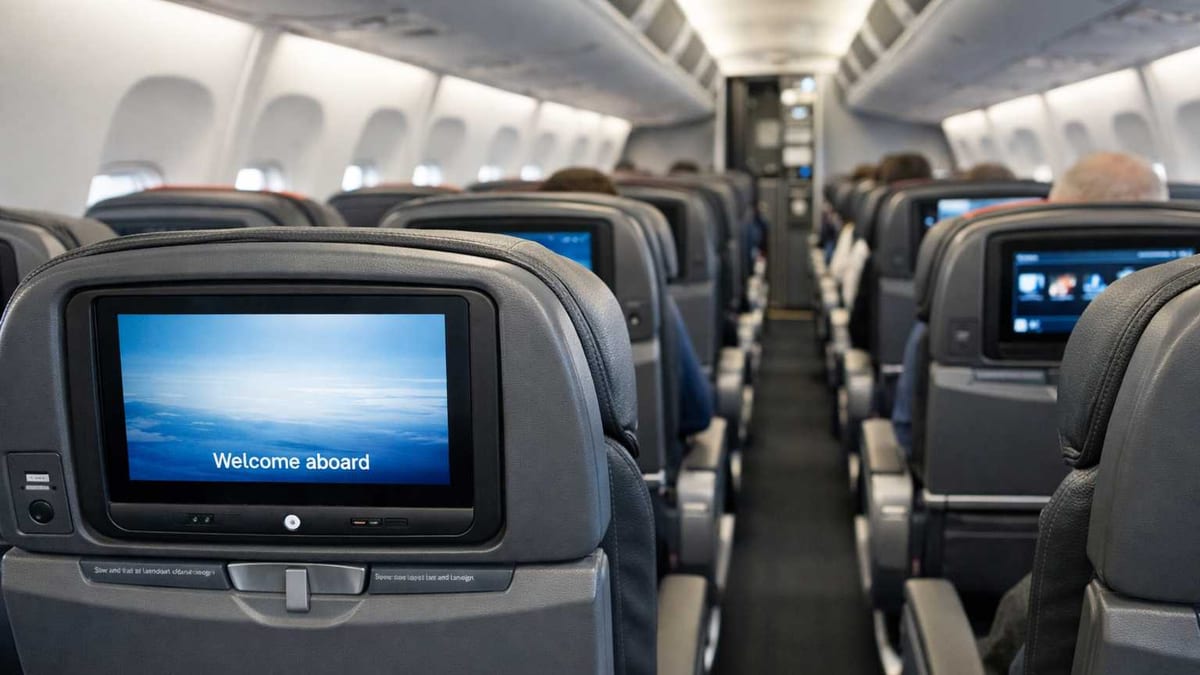
A Strategic Reversal On Inflight Entertainment
Publicly available information shows that American Airlines has announced a new long term program to bring individual seatback entertainment screens to almost every seat on its mainline aircraft. The move marks a notable reversal from the airline’s previous approach, which largely removed monitors from domestic narrowbody cabins in favor of streaming content to passengers’ own devices.
According to published coverage of the plan, the new generation of screens will be installed on all new Boeing and Airbus narrowbody deliveries beginning in 2028, with a retrofit program bringing similar systems to existing aircraft. Regional jets operated by American’s partners are not included, but industry reports indicate that more than 800 mainline aircraft are in scope, representing the vast majority of the carrier’s domestic and short haul international flying.
The announcement comes after several years in which American’s strategy diverged from other large U.S. airlines. While Delta and United invested heavily in maintaining or reintroducing screens on their narrowbody fleets, American doubled down on a bring your own device model backed by high speed Wi Fi. The latest plan effectively aligns the company with a broader industry trend that treats built in entertainment as a core part of the onboard experience rather than an optional extra.
Analysts note that the timing reflects both competitive pressure and changing customer expectations. Travelers have grown accustomed to a consistent product across fleets, and many view a personal screen as a basic comfort feature on longer flights, particularly as personal devices shoulder more of the burden for work and communication on the road.
What The New Seatback Screens Will Offer
American’s next generation inflight entertainment platform is described in company materials and news coverage as a significant technological upgrade over its previous systems. The new units are expected to feature large format displays that are among the biggest offered on North American narrowbody aircraft, using 4K resolution for improved picture quality.
The screens will be paired with USB C power at every seat, allowing for faster device charging than many current systems. Bluetooth audio connectivity is also planned, enabling passengers to connect their own wireless headphones without relying on wired jacks or airline provided headsets. Observers point out that this capability has quickly become one of the most requested features as wireless earbuds and headphones dominate the consumer market.
Reports indicate that the content offering will extend beyond traditional movies and television to include interactive maps, destination information and real time flight data. Personalized recommendations based on viewing history or trip details are expected to be part of the software platform, mirroring the recommendation engines used by major streaming services on the ground.
The upgrade is also designed to integrate with American’s existing high speed connectivity infrastructure, which relies on multiple satellite internet providers across the fleet. Industry analysis suggests that combining robust Wi Fi with built in screens gives airlines more flexibility to promote partner content, retail offers and loyalty program features during flight, potentially opening additional revenue opportunities over time.
Implementation Timeline And Fleet Impact
According to publicly shared timelines, installation of the new seatback systems will begin with factory fresh Airbus and Boeing narrowbody aircraft delivered from 2028 onward. These jets will arrive with the updated cabins already in place, including the new entertainment hardware, reconfigured seating layouts and refreshed interior design elements such as lighting and overhead storage.
Existing mainline aircraft will undergo retrofits as part of scheduled cabin refresh programs. While exact sequencing has not been released, industry observers expect higher profile routes and newer narrowbody types to be prioritized, reflecting a pattern seen in previous interior updates. Published coverage suggests that American aims to complete the bulk of the installation work by the early 2030s, though the exact end date will depend on delivery schedules and maintenance planning.
The airline already provides seatback entertainment across its long haul widebody fleet, including Boeing 777 and 787 aircraft used primarily on transoceanic routes. Those aircraft will continue to operate with built in systems, while the new initiative focuses squarely on narrowbody jets that handle the majority of domestic and short haul international traffic.
Industry data show that once the program is fully implemented, American will offer some form of seatback screen on nearly all mainline aircraft, bringing it closer in line with Delta’s widely promoted fleetwide offering and United’s ongoing retrofit program. The change is expected to reduce product inconsistency for customers who today may experience different entertainment options depending on aircraft type, route and timing.
Competitive Landscape And Customer Reaction
The decision to reintroduce screens comes amid intense competition among U.S. carriers to differentiate the onboard experience. Delta has long marketed its commitment to seatback entertainment as a hallmark of its brand, while United has highlighted a multiyear effort to install new screens and larger overhead bins across key portions of its fleet.
Travel industry commentators note that American’s previous bet on streaming to personal devices had both supporters and critics. Some travelers appreciated the flexibility of watching pre downloaded content and using their own tablets or phones, especially as battery life and screen quality improved. Others viewed the lack of a built in screen as a downgrade, particularly on older aircraft where power outlets and device holders were inconsistent.
Initial reaction from frequent flyer communities to the new plan has been broadly positive, with many seeing it as a long awaited acknowledgment that the market has shifted. Commenters point out that a dedicated screen frees up personal devices for work or messaging while keeping entertainment available gate to gate. For families, built in systems also reduce the need to manage multiple devices and chargers in tight spaces.
At the same time, some observers have raised questions about potential trade offs, such as the weight and maintenance costs associated with widespread hardware installations. Airlines have historically weighed those factors against the perceived revenue and loyalty benefits of a more premium onboard product, and American’s new strategy signals that it now views the balance as tipping in favor of a hardware rich approach.
Beyond Screens: Broader Cabin Upgrades
The seatback investment is part of a wider cabin transformation that includes more premium seating and expanded extra legroom options. Reports indicate that American plans to increase the number of first class and extra legroom seats across many narrowbody aircraft types, in some cases adding additional rows at the front of the cabin and in designated comfort sections.
These changes continue a broader trend among major carriers to monetize cabin space more aggressively by creating a larger spectrum of seating choices. Customers willing to pay more receive earlier boarding, additional space and enhanced amenities, while standard economy cabins are optimized for higher density. In this context, seatback screens function as a baseline feature, with differentiation occurring through seat pitch, soft product and service tiers.
American is also expected to refresh interior styling as part of the retrofit program, updating color palettes, lighting schemes and storage solutions. Industry analysts say such changes can have an outsized impact on customer perception, making older aircraft feel newer even when the underlying airframes are unchanged.
For travelers planning trips in the near term, the announcement does not immediately alter the inflight experience. Most domestic flights over the next few years will continue to rely on streaming entertainment to personal devices, backed by existing Wi Fi networks. Over time, however, passengers booking American flights later this decade are increasingly likely to find a personal screen waiting at their seat, signaling a new phase in the airline’s approach to comfort and technology on board.