


More news on this day
Months of conflict involving Iran and Gulf states have transformed the risk picture for travelers considering Qatar, prompting a wave of updated government advisories and renewed questions about whether leisure trips should go ahead.
Get the latest news straight to your inbox!
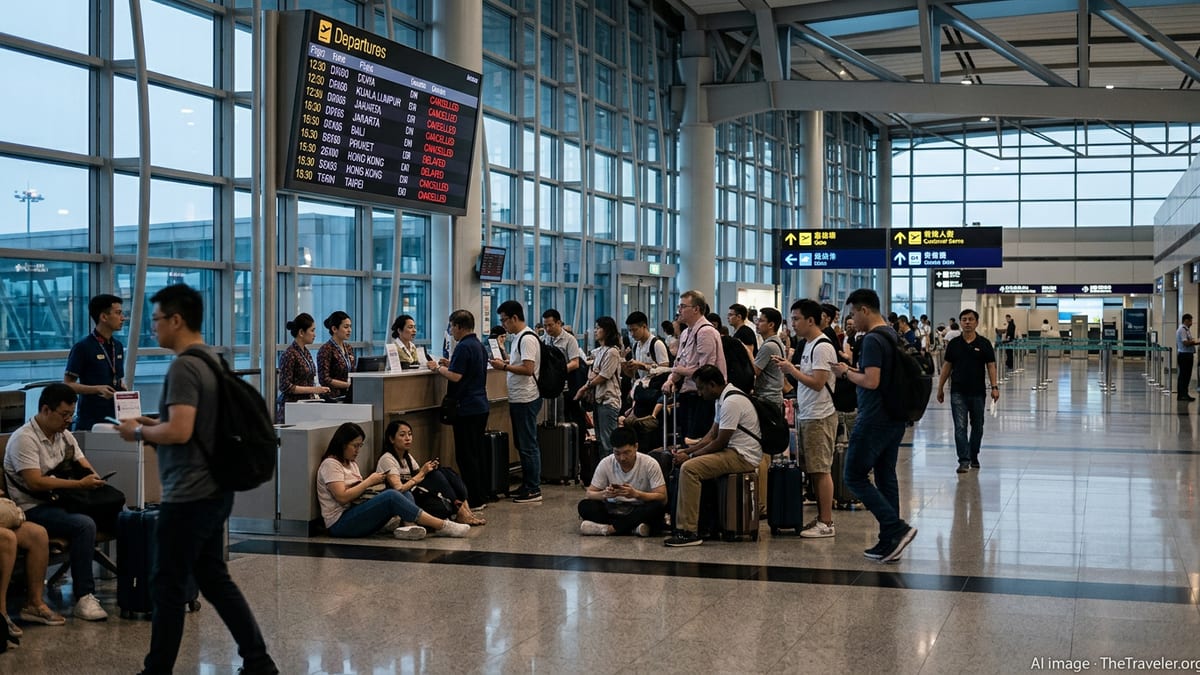
Government travel advisories have shifted in 2026
Several countries have revised their official travel advice for Qatar in recent weeks, reflecting both an improved security outlook since a June ceasefire and continued concern about the possibility of renewed hostilities. Publicly available information from the United States notes that non‑emergency government personnel were ordered to leave Qatar in early March because of the threat of armed conflict, a highly unusual step for a state that has long marketed itself as a stable hub.
Other governments have moved in different directions. Updated guidance from the United Kingdom in late June states that it no longer advises against all but essential travel to Qatar, signaling greater confidence in the short‑term security situation even as it urges visitors to remain alert. By contrast, Australia’s Smartraveller service now recommends that travelers reconsider their need to visit, citing the unpredictable regional environment and the possibility that the security situation could deteriorate quickly.
Canada’s federal travel site currently advises visitors to exercise a high degree of caution, again emphasizing the regional tensions rather than day‑to‑day crime in Doha. Dutch and New Zealand guidance strike a similar tone, highlighting that while ordinary criminality remains relatively low, the overall risk level is higher than in previous years because of the wider conflict with Iran and the vulnerability of Gulf states to missile and drone attacks.
The net result is a patchwork of advice. For many Western travelers, Qatar is not formally off limits, but a growing number of governments are signaling that trips should be carefully weighed against the possibility of sudden security incidents, flight disruptions, or further evacuations.
Security risks: from missile strikes to soft targets
The main driver of recent warnings is not domestic unrest in Qatar, but its exposure to the 2026 war involving Iran, the United States, Israel, and several Gulf neighbors. Open‑source reporting shows that locations in Qatar were struck by Iranian missiles earlier in the year after the conflict escalated, although analysts note that advance notice and defensive measures appear to have limited the damage compared with strikes on some neighboring states.
While no government is currently reporting routine attacks on civilian areas in Doha, advisories emphasize that the risk of further long‑range strikes or drone incidents cannot be ruled out. Travelers are urged to stay informed through their airline, accommodation provider, and news outlets, and to be prepared to adjust plans if tensions flare, particularly around critical regional developments such as negotiations over the Strait of Hormuz.
Beyond the threat from state‑level conflict, Qatar itself continues to record comparatively low levels of violent and property crime. Official guidance from multiple countries notes that petty theft, such as pickpocketing or bag snatching, can occur but is not widespread. More frequently cited are risks linked to road traffic accidents, with some foreign ministries pointing to high speeds and variable driving standards as a leading safety concern for visitors.
Security experts and consular material also highlight so‑called soft targets. Large shopping malls, major hotels, airport terminals, and popular waterfront areas that attract expatriates and tourists are mentioned as places where heightened awareness is sensible. Travelers are advised to avoid demonstrations, steer clear of political gatherings, and follow any security instructions issued locally if an incident occurs.
Regional tensions still affect air and sea travel
The war’s biggest impact for many visitors has been on transport rather than on personal safety in the streets of Doha. The partial closure of the Strait of Hormuz earlier in 2026 disrupted energy shipments and briefly curtailed some maritime routes involving Qatar. Recent Gulf media coverage indicates that shipping and sea trade with Iran have only just resumed normal operations following a ceasefire, after months of restrictions that affected regional supply chains and seafarers.
Commercial aviation into Hamad International Airport has largely continued, but routes and schedules have been volatile at times. Industry reporting describes a period in late winter and early spring when airspace closures and risk assessments forced Middle East carriers to cancel or reroute flights, leading to missed connections and extended layovers for passengers heading through Doha.
As of early July, travel industry analyses suggest that airlines are gradually rebuilding their networks as the ceasefire holds, though contracts of carriage still treat war‑related disruption as a force‑majeure event. This means that travelers cannot assume compensation or accommodation if renewed strikes or airspace closures affect their flights. Governments therefore recommend that anyone planning a trip to Qatar monitor their booking closely, allow extra time for connections, and keep contingency plans in mind.
Separate from conflict‑related issues, routine entry requirements remain in place. Visitors should check visa rules, health documentation, and any carrier‑specific conditions before departure, since requirements can vary by nationality and may change at short notice in response to regional developments.
Everyday conditions: low crime, strict laws and social norms
For travelers who do arrive, day‑to‑day life in Doha continues largely as normal. International assessments consistently describe Qatar’s crime rate as low by global standards, and tourist areas remain busy with residents and expatriates. Government advisories note that women, including solo travelers, frequently visit and live in the country, although they are encouraged to exercise the same situational awareness they would in any major city.
More prominent than crime in official guidance are Qatar’s legal and social norms. Publicly available information from the United Kingdom, Canada, Australia, and others stresses that laws on alcohol, dress, and public behavior are significantly stricter than in many Western countries. Drinking is permitted only in licensed venues, the legal drinking age is higher than in some European destinations, and public intoxication can lead to arrest.
Foreign visitors are also reminded that public displays of affection may attract negative attention, and that sex outside marriage, same‑sex relationships, and certain forms of social media activity can fall foul of local legislation. Human rights organizations continue to criticize provisions that allow extended detention on broad “public morality” grounds, along with wider restrictions on free expression and assembly. While these laws most often affect residents and activists, they can also have implications for tourists if a dispute or complaint arises.
Seasonal factors remain relevant. Ramadan and peak summer heat shape opening hours and daily routines, which can affect sightseeing plans, dining options, and dress expectations. Travelers are urged to respect local customs around eating, drinking, and clothing in public, particularly during religious periods when enforcement of social norms can be more visible.
How to assess whether a trip is right for you
The current picture suggests that Qatar is neither a straightforward “do not travel” destination nor a risk‑free stopover. Instead, it sits in a gray zone where the main hazards stem from its proximity to a volatile regional conflict and from strict domestic laws that may be unfamiliar to visitors. Governments are generally not advising mass cancellations for tourism, but many emphasize the need for careful preparation and ongoing monitoring.
Prospective visitors are encouraged to weigh their personal risk tolerance, the purpose of their trip, and their flexibility to change plans at short notice. Those with tight itineraries, essential onward connections, or significant health vulnerabilities may want to consider postponing travel until the regional outlook is more settled. Others, particularly travelers comfortable with long‑haul flying and rapid plan changes, may judge the risks to be acceptable with appropriate precautions.
Practical steps recommended in open advisories include registering with consular services where available, ensuring travel insurance explicitly covers conflict‑related disruption, and keeping digital copies of key documents. Travelers should verify airline policies on route changes and cancellations, carry basic supplies in hand luggage in case of extended delays, and bookmark reliable news sources for updates while abroad.
Ultimately, whether it is “safe enough” to visit Qatar in mid‑2026 depends less on conditions in Doha’s business districts and seaside promenades, and more on a traveler’s willingness to accept the small but real possibility that regional tensions could once again escalate, reshaping flight paths, evacuation plans, and the risk profile of the Gulf almost overnight.