


More news on this day
With another major protest weekend unfolding in France, many travelers with imminent trips to Paris are weighing headlines about unrest against long-booked flights and nonrefundable hotel rooms, and asking whether the city is still a viable city-break choice over the coming days.
Get the latest news straight to your inbox!
What Is Planned In Paris This Weekend
According to recent international coverage and travel-industry updates, a new round of nationwide demonstrations is scheduled around the cost of living and education reforms, with a large authorized march in central Paris on Saturday, October 31, 2026. City information pages indicate that the main gathering is expected in the afternoon in districts that regularly host marches, including areas around Place de la République and Bastille.
Reports from European media and travel advisories describe these weekends as a continuation of protests that have taken place throughout October, with student and union groups calling for further mobilizations into early November. A national day of strikes and marches has been announced for Thursday, November 5, which may affect rail and public transport more severely than this weekend’s events.
Coverage by travel-focused outlets notes that, despite some widely shared images of clashes and property damage earlier in the month, the majority of demonstrations follow pre-declared routes and are concentrated in specific neighborhoods. Elsewhere in the city, daily life has largely continued, with cafés, shops and smaller attractions operating close to normal, apart from short-term closures near protest routes.
Local tourism listings compiled by the Paris convention and visitors bureau state that major museums and monuments are open according to their usual schedules, with some adjustments for crowd management. For example, timed entry at the Louvre has been reinforced through advance booking windows through November 1, while some smaller cultural venues have announced earlier closing hours on protest days.
Official Travel Advice On Safety And Security
The most recent advisory from the United States Department of State keeps France at Level 2, meaning travelers are asked to exercise increased caution. The advisory highlights both terrorism risks and the regular occurrence of protests and strikes, particularly in Paris and other large cities. It notes that demonstrations can at times turn confrontational, and that crowd-control measures such as tear gas and water cannon have been used during more volatile events.
Travel advice published by the United Kingdom and Germany takes a similar line. These advisories state that demonstrations are common, that most remain peaceful, and that visitors should stay away from large gatherings, remain aware of their surroundings and follow any visible posted instructions in affected areas. They also point out that petty crime, rather than protest activity, remains a more typical issue for tourists in popular districts and on public transport.
Recent public updates from educational tour operators and school-trip organizers summarizing embassy guidance stress that visitors should avoid joining or observing protest marches for curiosity, and should check for any local curfews or restricted zones, particularly at night. For this weekend, curfew measures have been announced from 11 p.m. to 6 a.m. on Saturday and Sunday nights in a limited part of central Paris around Place de la République and Châtelet–Les Halles, where earlier clashes were most concentrated.
International media reports also underline that, while images of burned vehicles or broken shopfronts can be striking, they typically originate from a small area and a short time window, often late in the day after marches disperse. Security analysts and tourism bodies quoted in this coverage emphasize that these scenes do not reflect conditions across the wider city, where hotels, restaurants and attractions continue to welcome guests.
How Protests May Affect Transport And Sightseeing
Local transport information platforms for the Paris region report that the Metro, RER commuter trains, buses and trams are expected to operate close to normal this weekend, although temporary station closures are likely along or near the protest route on Saturday afternoon and evening. Travelers may encounter closed entrances or trains that do not stop at affected stations for several hours while crowds are present.
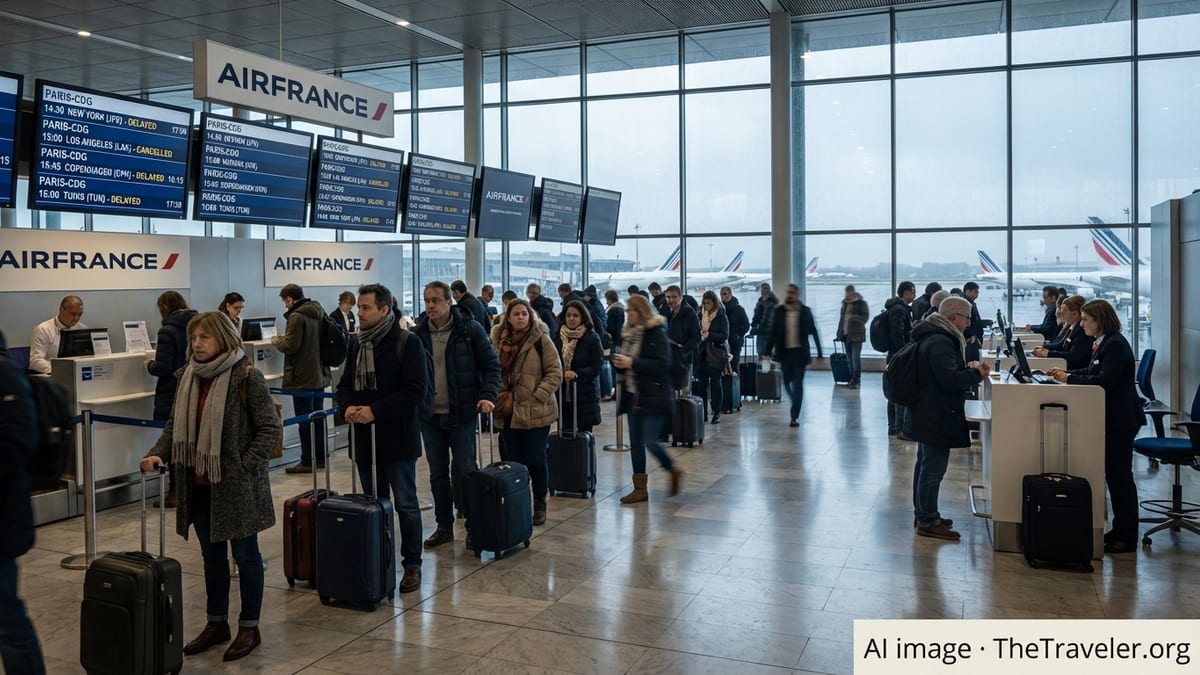
Updated strike calendars circulated by rail operators and travel-advice services indicate that the more substantial disruption is expected around the planned national strike and march on Thursday, November 5. On that day, reduced schedules are likely on TGV and Intercités trains as well as suburban services, and some cancellations could extend into the following morning. For the coming weekend itself, no nationwide rail shutdown is currently listed, but localized slowdowns and road blockades remain possible.
Paris tourism information sites confirm that flagship attractions such as the Eiffel Tower, Musée d’Orsay and river cruises on the Seine are operating on standard autumn schedules, with advance reservations strongly recommended to manage demand. However, cultural venues close to protest gathering points, including certain theatres and smaller museums, have announced potential last-minute timetable changes on October 31 in case access becomes difficult or staff have trouble reaching work.
Travel-industry briefings shared this week describe a city where the impact on organized tours has so far been limited to itinerary tweaks. Some operators have shifted walking tours away from the protest axis between République, Bastille and Nation, or adjusted meal times so that groups are back at their hotels before any evening curfew periods in central districts. Such changes have allowed most scheduled activities, including day trips to Versailles or the Loire Valley, to go ahead.
What Recent Experience Suggests For Visitors
News analysis pieces from French and international outlets point out that earlier October protest weekends, while tense in places, did not lead to a large wave of cancellations. Hotel bookings in Paris have dipped slightly compared with the same period last year, according to tourism-industry figures cited in recent coverage, but remain far from the collapse that followed previous crises such as the 2015 attacks or the height of the yellow vest movement.
Articles focusing on traveler experiences note that many visitors who were in Paris on the most violent October weekend reported seeing heightened police presence and hearing sirens, but were still able to visit museums and dine out away from key flashpoints. Some described cutting short outings near protest routes or encountering closed Metro stations for part of a day, rather than abandoning trips altogether.
Local analysis aimed at English-speaking visitors stresses that protests are usually pre-planned and announced in advance, with maps of restricted areas made publicly available. Travelers who checked city information pages and real-time transport apps before heading out were typically able to adjust plans, for example by avoiding large plazas scheduled to host rallies or by using alternative Metro lines to skirt around marches.
Security commentaries also highlight that the pattern of unrest has been intermittent, with some weekends seeing large marches and others passing relatively quietly. For the period from Sunday, November 1 through Wednesday, November 4, community-based travel information channels currently anticipate a lull in major events in Paris before the larger nationwide strike planned for November 5.
Practical Guidance For Those Traveling This Weekend
Travel and security advisories consistently recommend that visitors planning to be in Paris this weekend stay informed through local news, official city information and transport apps, and through any updates from airlines, rail companies or tour operators. Checking conditions each morning and again before heading out in the late afternoon is widely advised, since protest timings and routes can change at short notice.
Travel guidance also suggests building flexibility into sightseeing plans. On Saturday, October 31, it may be more comfortable to schedule indoor visits in neighborhoods away from the central protest axis, such as museums in western Paris or attractions in Montmartre, and to keep restaurant bookings early in the evening if staying near affected areas. Travelers who prefer to avoid potential tear gas or crowding are generally advised not to approach major plazas or boulevards listed as gathering points during demonstration hours.
Publicly available safety recommendations for France emphasize the importance of routine precautions that apply regardless of protests: keeping valuables secure against pickpocketing, particularly on crowded Metro lines and at stations serving major sights; allowing extra time for airport and train-station security checks; and carrying identification as required by French law. Visitors with travel insurance are encouraged to review policy terms for coverage related to civil unrest or transport disruption.
Overall, the prevailing picture from recent advisories and on-the-ground reporting is of a city that remains open to tourism but is experiencing periodic, localized disruption linked to a broader national debate. For travelers arriving this weekend, the decision to proceed is likely to rest on personal comfort with that backdrop, combined with careful route planning and close attention to the latest local information.