

Jamaica is one of the Caribbean’s most talked about islands, and not always for the same reasons. For every traveler who comes home raving about warm people, lush mountains and long days on powdery beaches, there is another who mentions aggressive hustling, safety worries or resort fatigue.
With visitor numbers hitting record highs in 2024, interest in the island is only growing, but so are questions about what a trip to Jamaica is really like. If you are weighing whether Jamaica is worth visiting in the coming year, it helps to look beyond brochure images and social media reels and get clear on the real pros, cons and on-the-ground expectations.
The Big Picture: Why Jamaica Keeps Drawing Record Crowds
Jamaica is not a niche destination. It is consistently among the Caribbean’s most visited islands, welcoming roughly 4 million visitors in 2024 including both stopover and cruise passengers, with U.S. travelers making up the bulk. Tourism is a cornerstone of the national economy, which means the island has a strong incentive to keep flights plentiful, resorts competitive and visitor infrastructure functioning. Even as other destinations jostle for attention, Jamaica’s brand of reggae, rum and “One Love” culture remains globally recognizable and heavily marketed.
Those visitor numbers translate to practical benefits for travelers. There are frequent nonstop flights from major U.S. hubs into Montego Bay and Kingston, as well as seasonal services from several European cities. For many North American travelers, Jamaica is a relatively short hop that feels worlds away from home, and that convenience often tips the balance when choosing between island destinations. In addition, competition among large all inclusive resorts keeps deals and packages in play, particularly in shoulder seasons outside peak winter holidays.
At the same time, high visitation has its downsides. Popular beaches in Montego Bay or Ocho Rios can feel busy on cruise ship days, and some travelers find the most developed resort corridors too commercial compared with quieter Caribbean islands. Understanding this context is important. Jamaica is not an untouched backwater; it is a mature tourism destination whose scale brings both comfort and crowds.
Nature & Beaches: What Jamaica Really Looks Like Up Close
If your mental image of Jamaica is little more than white sand and turquoise water, you are only seeing part of the picture. The island is surprisingly mountainous, with the Blue Mountains rising steeply behind Kingston and misty ridges running along much of the interior. Coffee is grown on cool slopes, waterfalls spill through dense forest and river valleys cut through the hills to reach the sea. This varied topography is one of Jamaica’s biggest strengths for travelers who want more than a beach chair.
On the coast, the postcard scenes do exist. Negril’s Seven Mile Beach is a long curve of soft sand and clear, shallow water that remains one of the island’s headline attractions. The north coast between Montego Bay and Ocho Rios is dotted with sandy coves, rocky headlands and a mix of public and resort controlled beach areas. Water clarity and color are generally as vivid as the photos suggest, particularly in calm weather. Snorkeling is decent in some pockets, especially around reef protected areas, though serious divers often prefer neighboring islands with healthier coral.
Travelers should arrive with realistic expectations, though. Not every stretch of coastline is pristine; some urban and industrial areas near major towns have murky water or visible litter. Seaweed can accumulate on certain beaches depending on the season and currents. Many of the most photogenic spots are fronted by resorts that tightly control access, which can be frustrating if you prefer independent exploration. To get consistently beautiful swimming conditions and scenery, most visitors either stay at a well maintained beachfront property or hire local guides who know which public spots are at their best.
Cultural Highs: Music, Food & Everyday Jamaican Life
One of Jamaica’s biggest advantages over more generic sun and sand destinations is its cultural depth. This is the birthplace of reggae, dancehall and a global Rastafari movement that has influenced music, fashion and language far beyond its shores. Even if you never set foot in a concert venue, you will hear music everywhere: from taxi radios and roadside bars to resort stages and beach sound systems. For music lovers, visiting Kingston’s studios and museums or catching a live show in Montego Bay or Negril can be a highlight that lingers long after tan lines fade.
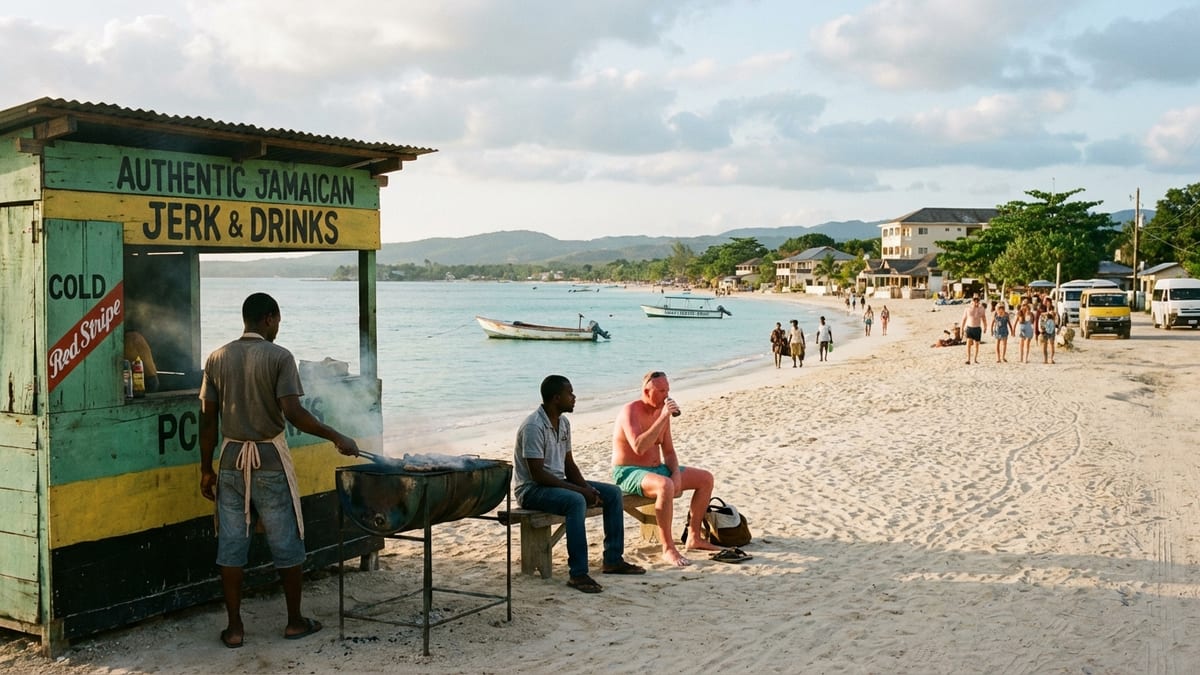
Food is another major draw that frequently exceeds travelers’ expectations. Classic jerk chicken or pork grilled over pimento wood, coconut rich curries, patties filled with spiced beef or vegetables, ackee and saltfish for breakfast and roadside fruit stands stacked with mangoes and guineps reveal a culinary culture far more varied than typical resort buffets suggest. Many visitors rate meals at modest cookshops and beach shacks as highly as dinners at upscale hotel restaurants, not only for flavor but for a sense of everyday Jamaican life.
Beyond the obvious, there is a chance to engage with a complex national identity shaped by colonial history, African heritage, migration and a powerful sense of independence. Local guides, guesthouse owners and tour operators are often eager to talk about politics, sports, migration and the realities of living on an island where tourism is both opportunity and challenge. Travelers who leave resort walls, visit markets, join community tours or attend local events often come away with a more nuanced appreciation for the island than those who stay poolside all week.
The Resort Reality: Comfort, Cost & “All Inclusive Island” Questions
For many first time visitors, Jamaica is synonymous with large all inclusive resorts. International hotel groups, well known adults only brands and homegrown Caribbean chains operate sprawling properties along the north and west coasts. These resorts promise ease: airport transfers, multiple restaurants, open bars, private beaches, non motorized water sports and nightly entertainment under one fixed price. If your priority is a simple, low friction escape from winter, Jamaica delivers that as well as almost anywhere in the region.
Pricing varies widely. In peak season around Christmas, New Year’s and spring break, nightly rates at popular resorts climb sharply, though last minute deals occasionally surface for flexible travelers. Summer and autumn, including hurricane season, usually bring lower rates and incentives. Value conscious travelers often find that Jamaica’s competitive resort market offers more choices at mid range price points than some smaller islands where inventories are limited and rates are high year round.
There are tradeoffs. All inclusive packages can create a cushioned experience that insulates travelers from both the hassles and the charms of daily Jamaican life. Some resorts are physically gated with security checkpoints and little within walking distance outside. While this set up feels safe and convenient, it can also leave visitors with only a curated version of local culture, limited to theme nights and performances on property. Travelers who want a more independent trip may be better served by smaller hotels, villas or guesthouses, accepting that this often means arranging their own meals, transport and activities.
Service quality is generally high in established resort areas, but reports from past guests vary. During busy periods, check in lines, restaurant waits and competition for beach chairs can test patience. Tipping customs can be confusing, with some guests feeling pressured despite “gratuities included” messaging. Reading recent property specific reviews and choosing a resort that fits your travel style, rather than simply chasing the lowest price, is crucial to avoiding disappointment.
Safety, Crime & Scams: The Harder Side of the Story
No honest assessment of Jamaica is complete without a clear look at safety. Official advisories from several governments note Jamaica’s high rate of violent crime, particularly in certain neighborhoods of Kingston, Montego Bay and Spanish Town. These issues are real and serious for residents, and they occasionally affect visitors who are in the wrong place at the wrong time or who engage in risky behavior such as buying drugs or walking alone at night in poorly lit urban areas.
For most tourists sticking to resort zones and established attractions, violent incidents remain relatively rare, but petty crime and opportunistic scams are more common. Travelers frequently mention persistent offers of taxis, tours or marijuana, and some feel harassed by aggressive sales tactics on public beaches or in craft markets. Others report feeling perfectly safe as long as they followed standard urban travel precautions, listened to local advice and avoided flaunting valuables.
In practice, safety in Jamaica tends to be highly localized and situational. Upscale resort strips and heavily policed tourist corridors are typically secure, with checks at entry points and visible security staff. Rural communities and smaller towns can be peaceful and welcoming, but visitors should still remain aware of their surroundings. The riskiest areas are certain inner city neighborhoods where tourists have little reason to wander in the first place. Hiring reputable drivers, using licensed taxis, booking tours through trusted operators and asking hotel staff where not to go are simple steps that significantly reduce exposure to trouble.
Ultimately, if you are highly risk averse or anxious about crime, Jamaica’s reputation may weigh heavily on your mind. If you are comfortable navigating big cities elsewhere and willing to plan thoughtfully, you will likely find that the island’s risks are manageable and often outweighed by its rewards. What matters most is not pretending issues do not exist, but matching your itinerary to your comfort level.
Costs, Crowds & Seasonal Tradeoffs
Jamaica is not the cheapest destination in the Caribbean, but it is not the most expensive either. Airfare from North America can be competitive, especially from East Coast cities, and package deals bundling flights and all inclusive hotels often undercut the cost of piecing together similar experiences in smaller island nations. Once on the ground, prices diverge sharply depending on whether you stay in big resorts or travel independently.
Within resort compounds, extras such as spa treatments, premium excursions, photographs and branded merchandise can add up quickly, much as they do on cruise ships. Off property, basic meals at local cookshops are often very affordable, and public route taxis between towns are inexpensive though not always comfortable for newcomers. Private drivers, organized tours and official attractions such as major waterfalls, rafting excursions or zip line parks come with pricing closer to U.S. levels.
Timing your visit has a major impact on both cost and crowding. The December to April high season brings the driest weather and the highest prices, particularly over holidays. Beaches and attractions are livelier, with more events on the social calendar, but quiet corners can be harder to find. Summer is hot and humid but often cheaper, attracting families and regional visitors. The late summer and autumn hurricane season sees the lowest rates along with a small but real risk of storms disrupting plans. In exchange, some travelers enjoy fewer crowds and more relaxed pacing.
Choosing where to stay also shapes your experience of crowds. Montego Bay and Ocho Rios have convenient access to airports and many tour options, but they feel busier, especially on cruise ship days. Negril attracts a mix of backpackers, boutique hotel guests and resort travelers and tends to feel more laid back, particularly along its cliffs. The south coast and parts of Portland remain quieter and more low key, attracting travelers who value elbow room over nightlife.
Who Is Jamaica Best For, And Who Might Prefer Another Island
Jamaica tends to reward travelers who arrive with at least a bit of curiosity and flexibility. If your goal is to experience a strong, distinctive culture, eat well, listen to live music, float in rivers, hike to viewpoints and still have time to collapse on a beautiful beach, the island delivers a compelling mix. Couples on honeymoons, groups of friends, solo travelers with some experience in the developing world and families staying at reputable resorts all regularly report excellent trips.
Adventure inclined visitors can go beyond standard excursions to explore coffee country, join community tourism projects, raft quieter stretches of river or take food tours in bustling towns. Even a simple day trip away from a resort, sampling local jerk stands or visiting a small fishing beach, can shift perceptions dramatically. For these travelers, the vibrancy and unpredictability that some perceive as chaos becomes part of the appeal.
On the other hand, Jamaica may not be ideal for everyone. Travelers seeking a fully polished, low friction, low interaction beach holiday where everything feels orderly and anonymous might be happier on smaller, more controlled islands or at self contained resorts in Mexico’s resort zones. Extremely budget conscious backpackers who want to stretch every dollar may find that transportation and attraction costs in Jamaica add up more quickly than in parts of Central America or Southeast Asia. Those who are deeply uncomfortable with visible poverty, assertive street selling or the need to remain situationally aware might prefer destinations with a more subdued street presence.
The Takeaway
So is Jamaica worth visiting? For millions of travelers each year, the answer is a clear yes. The island’s combination of natural beauty, musical and culinary heritage, accessible flights and a wide range of accommodations creates a compelling case, especially for those based in North America. Done right, a trip to Jamaica can deliver not only beach relaxation but a richer sense of place than many similarly convenient destinations.
At the same time, it is not an island that hides its edges. Crime, inequality and assertive hustling are part of the landscape, and not every visitor feels comfortable or charmed. The key is to approach Jamaica with open eyes and realistic expectations: choose areas and accommodations suited to your comfort level, follow local safety advice, budget for more than just the headline airfare and be prepared to step outside a resort at least once or twice if you want a fuller picture of the country.
If you are willing to embrace those realities, Jamaica offers something increasingly rare in a globalized tourism market: a destination that lives up to much of its postcard promise without feeling completely smoothed over. Whether your memories are of cliffside sunsets in Negril, the smoky aroma of jerk drifting across a roadside stand or a conversation with a taxi driver about life on the island, chances are that Jamaica will leave a strong impression. For many travelers, that alone makes it not just worth visiting, but worth returning to.
FAQ
Q1: Is Jamaica safe for tourists right now?
Most visitors to Jamaica complete their trips without serious problems, especially those staying in established resort areas and following common sense precautions. The country does have high rates of violent crime in certain neighborhoods, mainly affecting local communities rather than tourists. To stay safe, avoid risky areas, do not walk alone at night in unfamiliar places, use licensed taxis or vetted drivers, and follow guidance from your hotel or tour operator about where to go and where to avoid.
Q2: Which part of Jamaica is best for a first time visit?
For a first trip, many travelers choose Montego Bay, Ocho Rios or Negril. Montego Bay offers the easiest airport access and a wide range of all inclusive resorts. Ocho Rios is convenient for popular attractions like waterfalls and river adventures. Negril is known for a more relaxed atmosphere, with a long beach and scenic cliffs. If you want quieter, less developed surroundings and are comfortable with longer transfers, the south coast and Portland region offer a more low key experience.
Q3: Do I need to stay at an all inclusive resort in Jamaica?
No, but many visitors choose all inclusive options for convenience and perceived safety. Independent hotels, villas and guesthouses are available in most regions and often provide more direct contact with local life. All inclusive resorts work well for travelers who prefer a predictable budget and minimal planning, while smaller properties suit those who enjoy exploring restaurants, hiring local guides and building their own itineraries.
Q4: How expensive is Jamaica compared with other Caribbean islands?
Jamaica sits in the middle of the regional price spectrum. It is generally cheaper than very small, high end islands but can be more expensive than some larger destinations in Mexico or the Dominican Republic. Package deals that combine flights and all inclusive resorts can offer good value, especially from North American cities. On the ground, local eateries and public transport can be inexpensive, while organized tours, private drivers and upscale dining are priced closer to U.S. levels.
Q5: When is the best time of year to visit Jamaica?
The most popular time is the dry season from roughly December to April, when temperatures are warm, humidity is lower and rain showers tend to be short. This is also when prices and crowds peak, particularly over holidays. May and June, and again in November, can offer a balance of lower prices and relatively good weather. The official Atlantic hurricane season runs from June through November, with the highest storm risk typically from August to October; during this period, travelers trade lower rates for a small but real chance of weather disruptions.
Q6: Is it easy to explore Jamaica outside my resort without a car?
It is possible but requires some planning. Licensed taxis and private drivers are widely available and are the most comfortable option for visitors unfamiliar with local roads. Public route taxis are inexpensive but can be crowded and confusing at first. Organized tours that include hotel pickup are a popular way to see major attractions without renting a car. If you want to explore independently, build in extra time and budget for transport and always use official or recommended services.
Q7: What should I wear in Jamaica to be comfortable and respectful?
Light, breathable clothing is essential in Jamaica’s warm, humid climate. Swimsuits are fine at the beach and by the pool, but it is more respectful to cover up when walking through towns, markets or residential areas. In cities and rural communities, shorts, sundresses, T shirts and sandals are common among locals and tourists alike. For visits to churches or more formal venues, modest attire that covers shoulders and knees is appreciated. In the mountains or on early morning tours, you may want a light layer for cooler temperatures.
Q8: Can I drink the tap water in Jamaica?
In many urban and resort areas, tap water is treated and officially considered safe, and locals drink it daily. That said, some travelers prefer to stick to bottled or filtered water to avoid stomach upsets, particularly in rural regions or older buildings where pipes may not be in ideal condition. Most hotels and restaurants provide bottled water or filtered options on request, and refill stations are increasingly common at higher end resorts.
Q9: Is Jamaica a good destination for families with children?
Yes, many families enjoy Jamaica, particularly when staying at resorts that offer kids’ clubs, family pools, water parks and supervised activities. Beaches with gentle surf, river floats suitable for children, animal encounters and cultural shows can all be family friendly. Parents should factor in sun protection, heat, driving times between attractions and the need to keep a close eye on children in busy public areas. Choosing a property that explicitly caters to families generally makes logistics smoother.
Q10: How many days do I need to experience Jamaica properly?
A stay of five to seven nights is a comfortable minimum for most visitors, allowing time to unwind on the beach and fit in a few key excursions without rushing. With three or four days, you can still enjoy a focused resort break or a short city and countryside combination, but you will need to prioritize. Travelers who want to see multiple regions, such as combining Negril, the south coast and Kingston or adding serious hiking in the Blue Mountains, often find that 10 to 14 days lets them explore at a more relaxed pace.