

Lake Superior has a reputation that borders on mythic: a vast inland sea framed by wild shorelines, historic port towns and remote islands. For many travelers, the lake is a highlight of a Great Lakes road trip or a destination in its own right for paddling, hiking and cold plunges. Yet its beauty comes with real hazards, from frigid water and sudden storms to powerful currents and remote stretches where help is far away. Understanding these risks does not mean avoiding the lake. It means arriving prepared, respecting its power and making choices that keep a bucket-list visit from turning into an emergency.
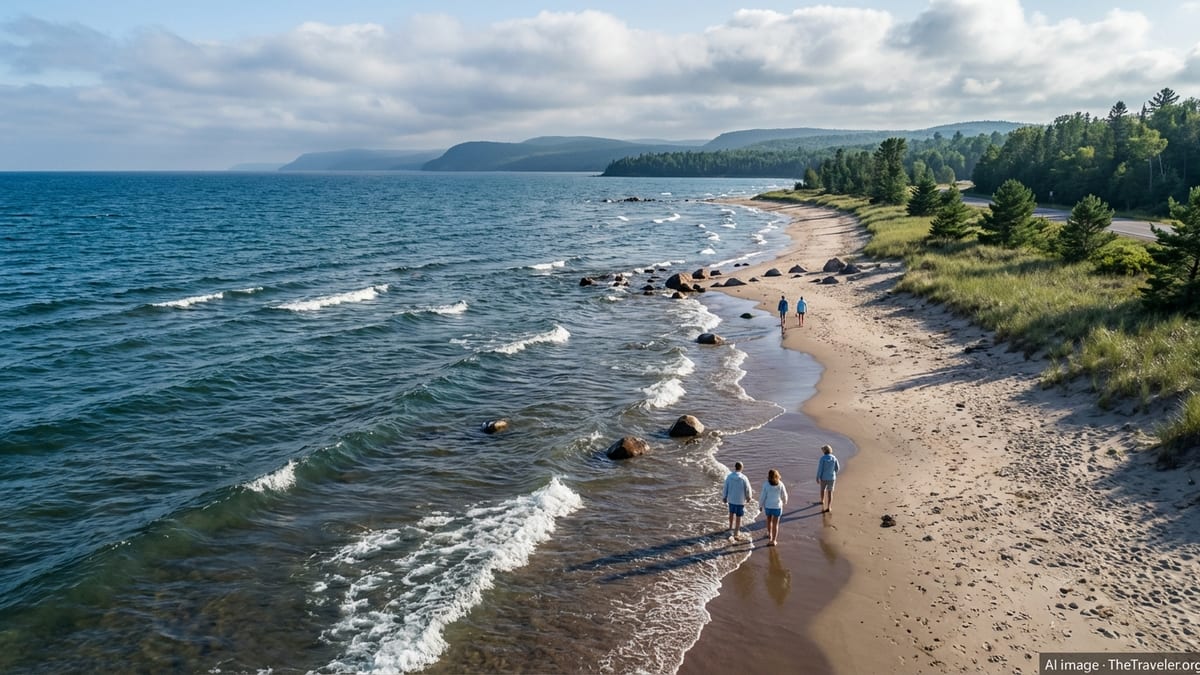
How Safe Is Lake Superior Compared With Other Great Lakes?
In conversations about Great Lakes safety, attention often centers on Lake Michigan, which consistently records the highest number of drownings among the five lakes. Water safety advocates and regional news outlets frequently describe Lake Michigan as the deadliest Great Lake, with hundreds of fatalities over the past decade and a half. By comparison, Lake Superior typically sees fewer overall drownings in a given year than Lake Michigan or Lake Erie. That difference, however, can be misleading if it tempts visitors to assume that Superior is gentle or forgiving.
Recent summaries from organizations that track incidents across the Great Lakes suggest that, in a typical year, there are roughly a dozen deaths linked to dangerous currents alone across all five lakes. Lake Superior accounts for a smaller share of these current-related cases, in part because its beaches are less densely visited than popular stretches along Lake Michigan. Yet targeted statistics from safety groups show that Superior still sees multiple fatalities most years, including swimmers, boaters, paddlers and people who go through late-season or early-season ice. Even in years when the tally is lower, each incident tends to be severe because cold water and distance from medical care reduce survival odds.
Looking at recent seasons offers a clearer picture of risk. In some years there have been no recorded Lake Superior drownings by midsummer, while in other seasons a cluster of incidents has occurred over just a few weeks, often during periods of strong winds and heavy surf. In 2016, for example, nine people died in Lake Superior, a sharp increase over the previous year according to one regional analysis. More recently, drowning and boating-fatality tracking for 2024 shows multiple deaths and serious incidents on Superior, including capsized fishing boats, swimmers caught in waves and scuba divers in deep, cold water. The numbers fluctuate, but the pattern is constant: when conditions turn rough or cold, the stakes rise quickly.
For visitors, the key takeaway is not that Lake Superior should be feared more than its sister lakes, but that its specific hazards are different. The combination of very cold water, large open fetch that can build ocean-like waves, and long stretches of sparsely settled shoreline means that when something goes wrong, self-rescue and preparation become crucial. Safe travel on and near Lake Superior depends less on crowds and infrastructure, and more on personal judgment, equipment and timing.
The Cold Truth: Water Temperatures and Hypothermia
Perhaps the single most important safety factor on Lake Superior is temperature. Even in midsummer, water temperatures often hover in the 40s and 50s Fahrenheit across much of the lake, according to the National Park Service and state natural resources agencies. In protected bays and shallow nearshore areas, surface temperatures can briefly climb into the 60s, but this warming is shallow and unstable. A shift in wind direction can push the warm surface layer away from shore and draw icy deep water up to the beach over the course of hours, a phenomenon known as upwelling. That is why swimmers in August can step into water that feels closer to early spring than to high summer.
Cold water dramatically shortens survival time. Safety agencies emphasize that sudden immersion in water below about 60 degrees can trigger cold shock, an involuntary gasp and rapid breathing that can cause a person to inhale water even if they are a confident swimmer. Loss of dexterity follows within minutes as muscles cool. Without flotation, many victims tire quickly, inhale water or can no longer coordinate effective strokes. Hypothermia then develops, further impairing judgment and movement, especially for anyone stranded more than a few minutes offshore.
Because Superior is so consistently cold, regional authorities advise treating it more like a northern ocean than an inland lake. For paddlers and boaters, that means dressing for the water, not the air. Dry suits or thick wetsuits, thermal layers, neoprene gloves and hoods are standard recommendations for open-water kayaking, canoeing or paddleboarding outside of the warmest, calmest days, particularly around exposed coasts and island archipelagos. Even for casual shoreline wading, guests should be aware that staying in very cold water for extended periods can cause numbness and cramps that make footing uncertain in surf.
Families planning to let children play at Lake Superior beaches should account for the cold in both timing and supervision. Shorter bursts of water time, frequent breaks to warm up, and clear rules about how deep anyone is allowed to go help reduce risk. Observing local swimmers and lifeguards, where present, is also telling. In many popular North Shore and Upper Peninsula destinations, most people are ankle to knee deep rather than fully immersed, a subtle but accurate indicator of how cold the water really is.
Waves, Currents and Changing Weather
Lake Superior behaves more like an inland sea than a typical recreational lake. Average summer winds can build waves of a few feet over open water, but stronger systems commonly produce 6 to 12 foot seas, particularly in the open reaches and near prominent headlands. The same winds that create surf for paddlers and photographers also drive the currents that catch swimmers off guard. National Weather Service offices around the lake issue beach hazard statements when winds and waves combine to create dangerous swimming conditions, and these alerts are important for visitors to heed.
Several types of currents can pose problems along the Superior shoreline. Rip currents, which pull water back offshore through deeper channels in the sand or gaps between rocks, can form where waves break strongly on sandbars or against structures. Channelized currents along piers, in harbor entrances and around headlands can also accelerate water flow, especially when wind pushes waves in one direction and water has to find its way back out. These currents are not always obvious from shore, and they often occur near popular access points and scenic rock formations where visitors naturally gravitate.
Weather on Lake Superior can change with surprising speed. Stable morning conditions can give way to afternoon thunderstorms, fog banks or squall lines that produce strong gusts and steep, chaotic waves. Paddlers in particular are vulnerable to these shifts. The Apostle Islands, Isle Royale and other exposed coastlines are known for fog and sudden wind shifts that can reduce visibility to near zero and make orientation difficult. Authorities urge boaters to monitor marine forecasts before launching, watch the sky constantly and turn back early if winds freshen or clouds build.
For swimmers and shoreline visitors, understanding local warning systems is essential. Many beaches use colored flags, beach hazard signage or electronic message boards tied to National Weather Service forecasts. A green or calm-looking shoreline is not a guarantee of safety, but red-flag or posted warnings are clear signs to stay out of the water or limit activity to very shallow areas. Visitors should not rely solely on lifeguard presence, since many Lake Superior beaches are unguarded. Personal awareness and conservative decisions are the first line of defense.
Swimming and Beach Safety on Lake Superior
Swimming in Lake Superior can be exhilarating, but it is very different from a warm, shallow inland lake. Local rescue agencies and water safety organizations emphasize several consistent themes: never swim alone, stay within designated swimming areas where they exist, and avoid going beyond wading depth when surf is present or the water feels numbing. Even strong swimmers can get into trouble quickly if caught in a current or if cold shock saps their energy.
Many of Superior’s most scenic beaches, from Minnesota’s North Shore to the Ontario coast and Michigan’s Upper Peninsula, lack permanent lifeguard coverage. Some city beaches, such as popular swimming coves in larger towns, may staff lifeguards during peak summer days, but hours and seasons are limited. Outside those managed zones, supervision falls entirely on companions and bystanders. Families should assign a dedicated water watcher, someone who is not distracted by phones or reading, to track anyone in the water, especially children and teenagers.
Understanding how to respond to currents is another key element of safety. Public education campaigns across the Great Lakes advise that if you feel yourself being pulled away from shore, the goal is to remain calm, float or tread water and signal for help while attempting to move parallel to the shoreline rather than directly against the current. Once out of the strongest flow, an angled path back toward land becomes more manageable. Those on shore should call emergency services rather than attempting risky rescues in large waves without flotation.
Finally, alcohol and swimming or boating are a particularly dangerous combination on Lake Superior. The lake’s cold water can mask early signs of hypothermia, while alcohol impairs judgment, coordination and the ability to recognize changing conditions. Many investigated drownings on the Great Lakes involve some level of impairment, and authorities repeatedly stress that on waters as powerful as Superior, sober operation and supervision are essential.
Paddling, Boating and Island Travel
Sea kayakers, canoe trippers, sailors and motor boaters are increasingly drawn to Lake Superior’s wild shorelines. National parks and state agencies highlight these waters as world-class paddling and boating destinations, but they also publish stern safety guidance. Officials describe Superior as cold, fickle and capable of ocean-like storms, warning that conditions that look manageable from a harbor or roadside turnout can deteriorate rapidly once underway. The farther from shore you venture, the more self-sufficient you need to be.
For paddlers, the basics begin with properly fitted, Coast Guard approved life jackets worn at all times, not stowed in hatches. Dry suits or wetsuits matched to the water temperature are recommended for most open-water trips, particularly around areas like the Apostle Islands or Isle Royale where crossings can be long and shorelines rugged. Trip planning should factor in not just distance, but also forecast wind direction and strength, fog potential, and the presence of large commercial vessels that share the same routes to major ports. State natural resources agencies specifically warn small craft to stay clear of shipping lanes and to understand right-of-way rules.
Boaters exploring Lake Superior’s offshore islands and remote coves must also consider communication and rescue options. Cell coverage drops out quickly away from towns, and even when a distress call goes through, response times are longer than on smaller lakes. Carrying marine radios, signaling devices and basic repair tools can make the difference between an inconvenience and a serious emergency. Many experienced visitors file float plans with someone on shore, detailing their route, planned camps and expected return times, so that overdue parties are noticed promptly.
Charter trips, guided paddle tours and ferry services can be a safer way for first-time visitors to experience Superior’s islands and open water. Licensed operators are accustomed to reading local conditions and will cancel or adjust routes when weather turns unfavorable. Travelers who want to explore beyond sheltered bays but lack cold-water experience often find that booking one or two guided outings provides both a memorable trip and an informal education in how the big lake behaves.
Cliffs, Rocks, Ice and Shoreline Hazards
Not all risks on Lake Superior involve swimming or boating. The same cliffs, ledges and rocky points that create dramatic photographs can also be hazardous. Search and rescue accounts around the lake include cases of visitors swept from shoreline rocks by unexpected waves, injured in falls while scrambling near the edge of cliffs, or caught by slippery algae and black ice in shoulder seasons. In some incidents, people who jump or dive from cliffs into the lake encounter hidden rocks, cold shock or strong surges that make exiting the water extremely difficult.
Stable-looking ice is another deceptive hazard. Superior’s ice cover varies widely year to year, and even in cold winters pressure ridges, cracks and currents create weak points. State agencies frequently warn that snowmobiles, anglers and hikers have broken through lake or bay ice when conditions looked firm from the surface. Once in the water, cold shock and hypothermia develop quickly, and self-rescue is difficult without ice picks or a partner. Late-winter and early-spring days, when air temperatures are mild but ice remains, can be uniquely risky because people underestimate how much structural strength the ice has already lost.
On windy days, waves can surge much higher up sloping rock than visitors expect, especially on headlands that directly face the wind and open water. A rock ledge that is dry one moment can be awash the next, with powerful backwash that pulls footing out from under a person standing too close to the edge. Local emergency managers caution visitors to stay well back from breaking surf and to avoid turning their backs to waves while posing for photos.
Taking simple precautions reduces many of these shoreline dangers. Staying inside established fences and behind warning signs at cliffs, keeping children away from drop-offs, wearing sturdy footwear and treating winter and shoulder-season ice with extreme skepticism all help keep a scenic stop from becoming a 911 call. When in doubt about a viewpoint or route, choosing a more conservative vantage point rarely diminishes the experience but greatly increases safety margins.
Planning a Safe Lake Superior Trip
Safe travel around Lake Superior begins long before you reach the shoreline. Trip planners should start by identifying the season, primary activities and the most likely weather patterns they will encounter. Spring and late fall tend to bring colder water, more frequent storms and fewer services, while midsummer offers the warmest air temperatures but still chilly water and occasional severe thunderstorms. Winter transforms the region into a snow and ice destination, shifting risks toward road conditions, extreme cold and ice safety.
Checking local forecasts from National Weather Service offices that cover the lake, along with marine forecasts for boaters and paddlers, is an essential daily habit. In many lakeshore communities, visitor centers, marinas and park ranger stations post current conditions and hazard information. Talking directly with rangers, harbor masters or local outdoor guides is often the fastest way to learn about recent incidents, shifting sandbars, problematic currents or construction-related access changes.
Equipment choices also shape safety outcomes. Even beach-focused travelers benefit from packing sturdy footwear for rocky shorelines, extra warm layers to counter windchill and a compact first-aid kit. Those heading onto the water should add life jackets for every person, weather-appropriate immersion protection, navigation tools, waterproof communication devices and enough food and water to manage delays. For remote hiking and camping along the lake, maps and basic navigation skills remain important, as some trails cross rugged terrain where cell-based mapping can be unreliable.
Finally, it is wise to build flexibility into any Lake Superior itinerary. Planning alternate activities for days with high winds, thick fog or posted beach hazards keeps pressure off poor decisions. When the lake is rough or visibility low, inland hikes, waterfalls, museums and small-town cafes become safer and often equally memorable ways to experience the region. Locals often say that the lake will be there tomorrow, and visitors who embrace that perspective typically leave with better stories and fewer close calls.
The Takeaway
Lake Superior is neither inherently safe nor uniquely deadly. It is a large, cold, complex body of water that rewards those who prepare and respect its power. Its beaches, cliffs and islands draw millions of visitors, most of whom complete their trips without incident. At the same time, a predictable set of hazards appears year after year in rescue summaries: swimmers caught in waves and currents, paddlers and anglers unprepared for cold water, boaters overtaken by sudden weather changes, and sightseers lulled too close to dangerous cliffs, rocks or ice.
The good news for travelers is that most of these risks are manageable with informed choices. Dressing for the water, wearing life jackets, heeding weather and beach hazard statements, staying within your skill level and keeping a conservative mindset around cold, waves and heights go a long way toward staying safe. Choosing lifeguarded or sheltered beaches when possible, asking locals about current conditions and traveling with attentive companions add additional layers of protection.
Ultimately, visiting Lake Superior safely is less about avoiding the lake and more about approaching it as you would any powerful natural environment. The same care you might bring to an alpine hike or an ocean surf zone belongs here. Do that, and the big lake is more likely to be remembered for its star-filled skies, thundering surf and quiet coves than for a close call or emergency. Respect for the water is the price of admission to one of North America’s most remarkable freshwater coastlines.
FAQ
Q1. Is it safe to swim in Lake Superior in summer?
It can be safe to swim in Lake Superior during summer when conditions are calm, but the water is usually very cold and many beaches are unguarded. Staying in shallow water, limiting time in the lake, watching for currents and heeding local warnings are all important.
Q2. What is the biggest danger for visitors to Lake Superior?
The most significant danger for most visitors is cold water, which increases the risk of cold shock and hypothermia. Sudden weather changes, strong waves and currents, and remote locations with slow rescue response are also major factors.
Q3. Do Lake Superior beaches have lifeguards?
Only a limited number of Lake Superior beaches offer lifeguard coverage, typically in or near larger towns and only during peak summer hours. Many popular shorelines and coves have no lifeguards, so visitors should not rely on guarded swimming areas being available.
Q4. How cold is Lake Superior water, really?
Even in late summer, large areas of Lake Superior remain in the 40s and 50s Fahrenheit, and only some sheltered bays briefly reach the 60s. Wind-driven upwelling can replace warm surface water with much colder deep water in a short time, catching swimmers by surprise.
Q5. Are rip currents a problem on Lake Superior?
Yes. Rip currents, channelized flows near piers and strong alongshore currents all occur on Lake Superior, especially on days with higher waves. These currents can pull swimmers away from shore or into deeper, colder water, so hazardous surf advisories should be taken seriously.
Q6. Is kayaking on Lake Superior safe for beginners?
Kayaking close to shore on calm days can be reasonable for cautious beginners who wear life jackets and dress for cold water. Longer crossings, exposed coastlines and trips to islands should be reserved for experienced paddlers or done with professional guides, due to rapidly changing conditions and cold temperatures.
Q7. Can I walk on Lake Superior ice in winter?
Walking or riding on Lake Superior ice is risky, because thickness and stability vary greatly and can change quickly. State agencies frequently warn that even ice that looks solid may have weak spots, so visitors should follow local guidance and avoid unfamiliar or untested ice.
Q8. What safety gear should I bring for a Lake Superior trip?
At minimum, bring warm layers, sturdy footwear, sun protection and a basic first-aid kit. Anyone boating or paddling should add properly fitted life jackets for every person, cold-water protective clothing, communication devices in waterproof cases, navigation tools and enough food and water to handle delays.
Q9. How can I check if it is a safe day to go in the water?
Check local forecasts, including beach and marine advisories from the National Weather Service, and look for beach hazard signs or flag systems at access points. Talking with park staff, lifeguards or harbor personnel provides additional insight into current waves, currents and recent incidents.
Q10. Is Lake Superior generally safe for families with children?
Lake Superior can be a rewarding destination for families when adults plan carefully and supervise children closely. Choosing sheltered, shallow beaches, enforcing strict depth limits, using life jackets near or on the water and being ready to adjust plans when conditions change all help keep a family visit safe.