


More news on this day
Italy’s state rail operator Ferrovie dello Stato is facing a leadership shake-up after chief executive Stefano Donnarumma resigned, following months of mounting tensions with Prime Minister Giorgia Meloni’s government over service disruptions and strategic direction.
Get the latest news straight to your inbox!
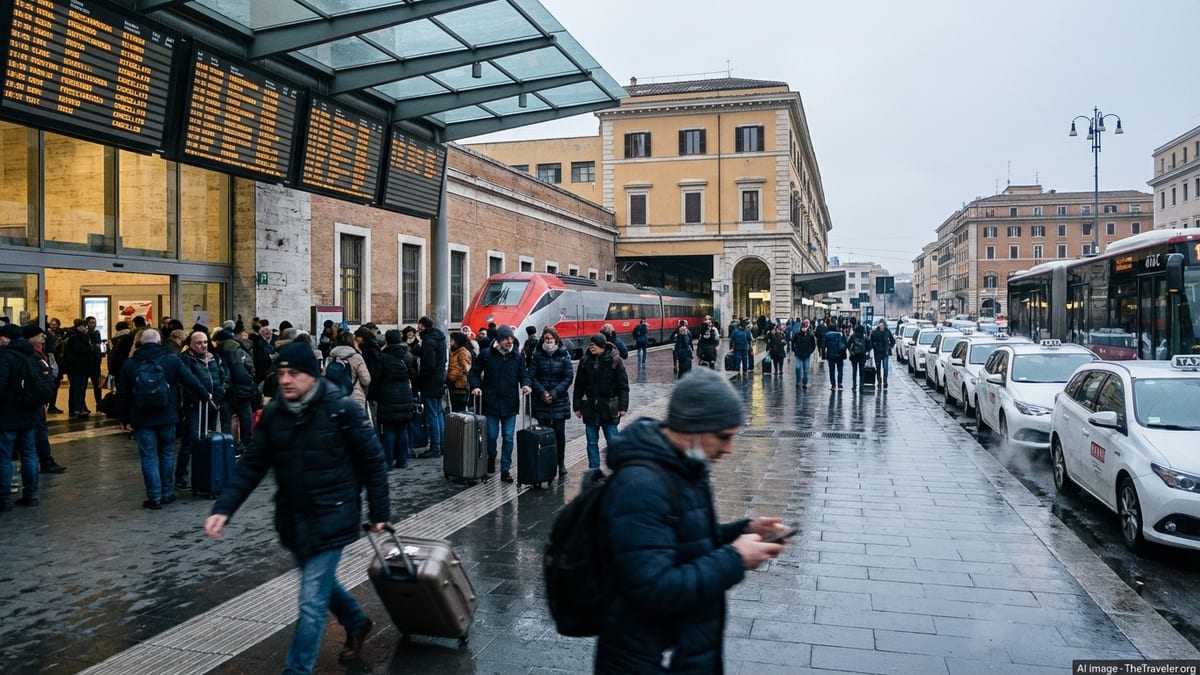
A sudden resignation at the top of Ferrovie dello Stato
Publicly available information shows that Ferrovie dello Stato Italiane announced Donnarumma’s resignation at an extraordinary board meeting held in Rome at the end of June, with the decision becoming clear in the early hours of July 1. The move ends roughly two years at the helm of Italy’s state-controlled rail holding, a period marked by record investment but also intense political scrutiny.
Reports indicate that the break followed months of disagreements between Donnarumma and members of the Meloni administration over how to balance an aggressive program of maintenance and upgrades with the need to preserve punctuality and reliability. The state remains the sole shareholder of FS, meaning shifts in political priorities can quickly translate into pressure on management.
Italian media coverage describes the resignation as the culmination of a difficult few weeks, during which a series of high-profile disruptions on key routes fueled criticism of FS performance. While many of the delays were linked to major works funded through Italy’s recovery and infrastructure plans, they also became a focal point in a wider debate about how the rail group is being run.
Tensions over delays, maintenance works and public image
According to recent press reports, the Meloni government grew increasingly frustrated with recurring delays and cancellations, especially on busy long-distance and commuter corridors. Much of the disruption has been attributed to simultaneous work on hundreds of construction sites across the country, as FS pushes ahead with upgrades to tracks, signaling and stations.
Government figures have publicly highlighted progress on infrastructure targets and investment volumes, yet concerns mounted that the operational impact on passengers was undermining confidence in the network. The contrast between positive investment statistics and the everyday travel experience became a politically sensitive issue, particularly during peak travel periods.
Commentary in Italian business and general media suggests that differences also emerged over certain corporate decisions within the FS group, including the integration and reorganization of rail-sector subsidiaries. These moves were designed to streamline operations and prepare the group for future competition, but they reportedly clashed at times with the government’s preferred approach and timing.
For rail users, the leadership dispute has unfolded against a backdrop of packed trains, temporary timetable changes and slower journeys on routes affected by works. Travel industry observers note that while large-scale upgrades are essential to meet long-term demand, the political fallout underlines how sensitive rail performance has become in Italy’s broader public debate.
Potential successor and implications for the FS group
Across several European-language reports, Gianpiero Strisciuglio, head of FS’s operating subsidiary Trenitalia, is widely identified as the frontrunner to replace Donnarumma. As the current chief of Italy’s main passenger rail operator, Strisciuglio oversees both high-speed services and a substantial share of regional and commuter traffic.
If chosen, his appointment would likely signal a focus on day-to-day operations, service quality and timetable resilience, areas that have drawn criticism in recent months. Travel analysts suggest that a leader drawn from the core operating business might prioritize short- and medium-term reliability, even as longer-term infrastructure works continue across the network.
The change at the top comes as FS manages a multibillion-euro investment pipeline involving new high-speed links, station redevelopments and rolling stock renewal. A stable leadership transition will be critical to keeping construction schedules on track while responding to political demands for better punctuality and customer care.
For international travelers, including visitors arriving by air and relying on rail connections between major cities, any shift in strategy at Trenitalia and the broader FS group could shape service patterns, pricing policies and the rollout of new routes over the next few years.
Political backdrop and the stakes for Italy’s rail future
According to Italian and international coverage, Donnarumma’s departure underscores the growing centrality of transport performance in Italy’s political conversation. The Meloni government has presented rail investment as a key pillar of economic development, tourism promotion and environmental policy, linking modern trains and upgraded lines to the country’s international image.
That strategy has raised expectations among domestic passengers and foreign visitors alike, particularly on flagship high-speed corridors between cities such as Rome, Milan, Naples and Venice. When delays and disruptions mount, responsibility is often attributed not only to company management but also to the government that oversees the state-owned group.
The leadership change therefore carries significance beyond corporate governance. It will help determine how Italy balances rapid construction with the need to maintain smooth operations on a network that handles millions of daily journeys. Travel sector commentators note that decisions taken in Rome about scheduling works, prioritizing routes and funding regional services will ripple through holiday plans, business travel and cross-border connections.
In the coming weeks, attention is expected to focus on the government’s choice of successor, the composition of the FS board and any revisions to the group’s industrial and investment plans. For now, the resignation of Italy’s rail chief highlights the delicate intersection between infrastructure ambition, political expectations and the everyday realities of getting passengers where they need to go.