


More news on this day
Italy enters the second half of the decade with a resilient economy, surging visitor numbers and heightened global visibility, as tourism, politics and sustainability shape the country’s evolving profile.
Get the latest news straight to your inbox!
Geography, population and political system
Italy occupies a strategic position in southern Europe, extending into the central Mediterranean with a long peninsula and two major islands, Sicily and Sardinia. Its varied geography, from Alpine ranges in the north to coastal plains and historic city centers further south, underpins both its regional diversity and broad tourism appeal. The country shares land borders with France, Switzerland, Austria and Slovenia and has maritime connections that link it to the wider Mediterranean basin.
With a population of around 59 million, Italy is among the European Union’s largest member states, yet demographic trends show gradual aging and modest population decline. Publicly available demographic data indicate low fertility rates and a growing share of residents over 65, factors that weigh on long term labor supply and social spending. At the same time, internal migration from smaller towns to major urban centers and continued immigration contribute to a complex social landscape that visitors encounter in different ways in cities, coastal resorts and rural regions.
Italy is a parliamentary republic with a multi party system and a largely ceremonial president, while executive power is exercised by the government headed by a prime minister. Recent years have seen shifting coalitions and debates over fiscal policy, migration, and Italy’s role within the European Union. According to published coverage and institutional summaries, Italy continues to operate within the EU and euro area frameworks while pursuing domestic reforms on public finances, justice and public administration.
Governance indicators compiled by international organizations describe Italy as a consolidated democracy with competitive elections and active civil society, alongside long standing concerns over corruption, judicial delays and uneven public service delivery. These structural issues inform the broader investment climate but have not diminished the country’s cultural influence or its draw for international travelers.
Economic performance and structural challenges
Economic assessments released in 2025 and updated in 2026 describe Italy’s economy as broadly resilient after the pandemic and the European energy crisis. National statistics and European forecasts point to moderate real GDP growth, supported by services, manufacturing exports and tourism. Projections for 2026 and 2027 indicate steady expansion and a gradual reduction in the public deficit as emergency support measures are phased out and investment programs linked to European recovery funds continue.
Italy remains one of the euro area’s largest economies, with strengths in high value manufacturing, fashion, food and design, as well as a sizable small and medium enterprise sector. At the same time, analysts highlight persistent structural constraints such as low productivity, high public debt, regional disparities between the industrialized north and the less developed south, and complex bureaucracy that can weigh on business activity. Labor market conditions have improved compared with the immediate post pandemic years, but youth unemployment and job quality remain central policy concerns.
Inflation pressures that peaked after the energy shock have eased but remain under close monitoring. Recent data for early 2026 show consumer prices rising at rates similar to the euro area average, reflecting both global commodity movements and domestic wage dynamics. Publicly available commentary from economic institutions notes that continued reform of public administration, digitalization and investment in green infrastructure are considered key to sustaining growth while keeping public finances on a stable path.
For travelers, the macroeconomic backdrop translates into gradually rising prices for accommodation, dining and transportation in popular destinations, though purchasing power differences can still be significant between major cities and smaller towns. The ongoing focus on infrastructure investment is improving rail links and urban transport in some regions, enhancing accessibility for both residents and visitors.
Tourism rebound and evolving visitor patterns
Tourism is one of Italy’s defining economic sectors and a central feature of its international profile. International organizations and Italian institutions report that travel and tourism contribute a substantial share of national output and employment, with direct tourism value added accounting for a notable portion of gross value added and a higher share of service exports. Italy has returned to its position among the world’s most visited countries, with international arrivals in 2024 already surpassing pre pandemic levels and momentum continuing into 2025 and 2026.
Recent data from the Ministry of Tourism and the central bank show that the tourism balance of payments recorded a sizeable surplus in 2025, reflecting robust spending by foreign visitors. Preliminary figures for the first quarter of 2026 indicate further growth in tourism receipts and a widening surplus compared with both 2019 and 2025. Overnight stays recorded by the national statistics office continue to increase, supported by both domestic travelers and strong demand from key European and long haul markets.
Visitor flows remain heavily concentrated in classic destinations such as Rome, Florence, Venice, Milan and the Amalfi Coast, yet policy documents emphasize efforts to redistribute tourism across lesser known areas. The national tourism strategy for 2023 to 2027 prioritizes sustainable and balanced development, including measures to reduce seasonality, promote inland and rural destinations, and encourage investment in digital tools that can spread demand beyond the most crowded sites. These initiatives aim to mitigate overtourism while maintaining the sector’s contribution to local economies.
The rebound has also brought renewed scrutiny of environmental and social impacts, particularly in cities where daily visitor numbers can outweigh resident populations. Local debates on cruise ship access, short term rentals, congestion charges and visitor caps illustrate the tension between economic benefits and quality of life. Travelers in 2026 encounter a landscape where some municipalities are tightening regulations, experimenting with reservation systems or visitor fees, and investing in preservation of historic centers and natural areas.
Cultural heritage, regional diversity and major events
Italy’s global image remains closely tied to its cultural heritage, artistic legacy and culinary traditions. The country hosts a large share of UNESCO cultural and natural sites, from archaeological areas and Renaissance cities to wine landscapes and mountain reserves. This heritage forms the backbone of itineraries that combine museum visits, historic architecture, coastal scenery and regional gastronomy, attracting both first time and repeat visitors.
Regional diversity is a defining feature of the Italian experience. Northern regions blend industrial centers and Alpine resorts, central areas are known for medieval towns and vineyard covered hills, while the south and islands offer coastal landscapes, archaeological sites and slower paced rural tourism. Local languages and dialects, distinctive cuisines and festivals create a mosaic that encourages travel beyond a single city or region. Publicly available tourism promotion materials increasingly highlight lesser known destinations in an effort to spread benefits and relieve pressure on saturated hotspots.
Italy’s cultural calendar remains busy, from international film, art and design events to religious celebrations and food festivals. Looking ahead, preparations continue for the 2026 Winter Olympic and Paralympic Games, scheduled for Milan and Cortina d’Ampezzo. These events are expected to draw global attention to northern Italy, with infrastructure projects and marketing campaigns emphasizing winter sports, mountain tourism and sustainable mobility solutions in Alpine areas.
For travelers planning trips in the coming years, these developments signal an evolving mix of heritage tourism, major events and emerging destinations. Cities and regions are working to balance growth with preservation, invest in transport links and adapt to changing visitor expectations around sustainability and digital services, reinforcing Italy’s long held position as a cornerstone of European and global travel.
Key trends for international travelers in 2026
Publicly available information from tourism and economic bodies indicates that Italy in 2026 offers a more structured and data driven approach to managing visitor flows than in the past decade. Authorities at national and local levels are experimenting with tools such as advance booking systems for popular attractions, differentiated pricing by season, and expanded promotion of shoulder and off peak periods. These measures seek to preserve the visitor experience in high demand locations while opening opportunities in cities and regions that previously saw limited international traffic.
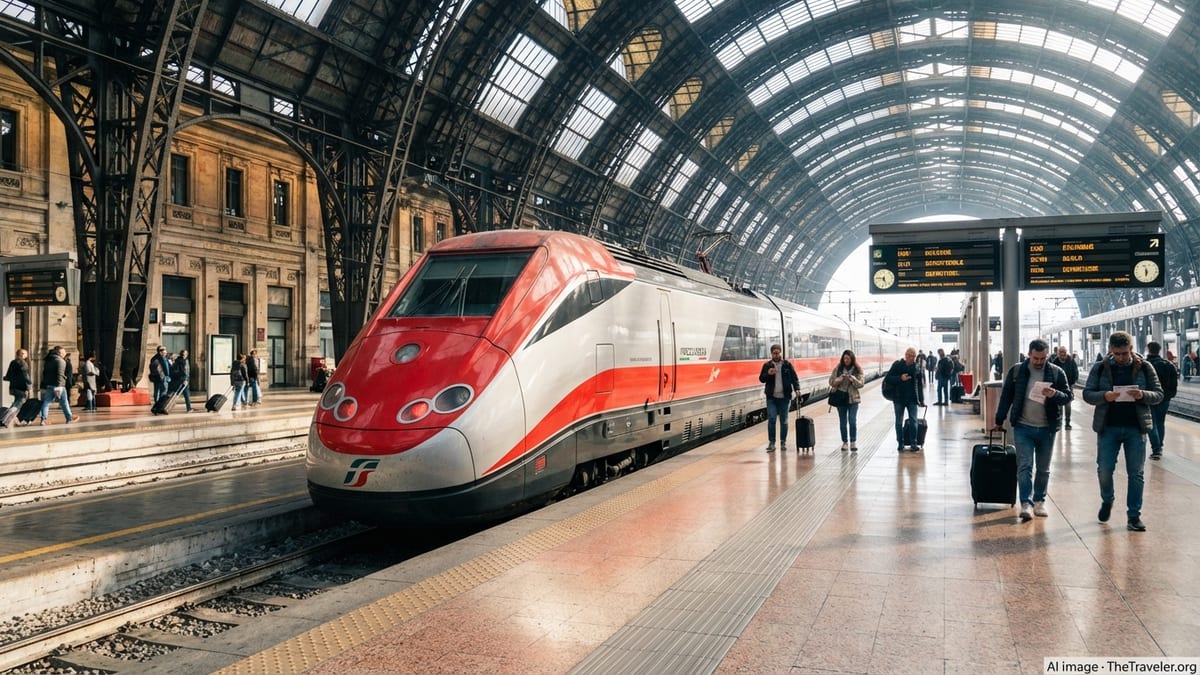
Sustainability has become a central theme, reflected in campaigns to encourage rail travel, support cycling and walking routes and promote lower impact forms of accommodation. Investments in high speed and regional rail services are making it easier to connect major gateways like Rome, Milan and Naples with smaller destinations, while new mobility options within cities improve last mile connections. Travelers are being nudged, through messaging and sometimes regulation, to adapt behaviors around waste, noise and respect for residential neighborhoods.
At the same time, the rapid rise in demand has contributed to concerns about affordability for both residents and visitors. Housing markets in popular urban centers and resort areas face pressure from short term rentals, while hotel prices in peak periods have climbed. Policy responses range from caps and registration requirements for holiday rentals to discussions of city access fees. These debates are likely to shape the travel experience in the years ahead, as Italy seeks to remain welcoming and accessible without overburdening its historic environments and communities.
For international travelers, the current profile of Italy is one of renewed dynamism, with strong tourism indicators, moderate economic growth and an increasingly sophisticated conversation about sustainability and quality of life. Planning ahead, considering off peak travel and exploring beyond the most famous hubs provide practical ways to experience the country’s breadth while aligning with emerging policy priorities and local expectations.