


More news on this day
Jamaica is sharpening its focus on Saudi Arabia and the wider Middle East as Tourism Minister Edmund Bartlett links new partnerships, aviation connectivity and large-scale infrastructure upgrades to the island’s next phase of tourism growth.
Get the latest news straight to your inbox!
Saudi Links Move Up the Tourism Agenda
Publicly available information shows that Jamaica has been steadily building relations with Saudi Arabia since at least 2021, when Tourism Minister Edmund Bartlett joined investment discussions in Riyadh as part of a wider markets push in the Middle East. That outreach coincided with Saudi Arabia’s ambition to become a global tourism hub and to expand its influence across the Caribbean and Latin America through investment and airline partnerships.
Subsequent coverage in regional and Middle Eastern media highlights continued dialogue between Jamaican and Saudi tourism authorities at major events such as the Future Investment Initiative and UN Tourism gatherings. These forums have been used to explore cooperation in areas including air connectivity, destination marketing and resilience planning, all viewed in Kingston as essential tools to diversify visitor sources beyond North America and Europe.
Reports indicate that Jamaica’s strategy now frames Saudi Arabia as a potential gateway, not only for Saudi travelers but for broader Gulf and Middle Eastern traffic that could be routed through new or expanded aviation links. Any formal partnership would align with Riyadh’s investment appetite in airports, resorts and tourism technology, while offering Jamaica access to emerging long-haul markets.
Industry observers note that this evolving relationship sits alongside Jamaica’s wider engagement with the Gulf, including high-profile appearances at Arabian Travel Market in Dubai and contacts with carriers and tour operators that serve both Saudi Arabia and neighboring states.
Recovery Targets and New Market Diversification
According to official tourism data and recent government briefings, Jamaica welcomed about 4.15 million visitors in 2024, generating a record US$4.3 billion in earnings and surpassing pre-pandemic performance. The Ministry of Tourism has framed these results as a platform for its long-stated objective of reaching five million visitors and US$5 billion in annual tourism revenue, a goal officials have described as achievable through market diversification and product expansion.
Published sectoral presentations show that Bartlett’s roadmap emphasizes three core elements: protecting gains in traditional markets such as the United States, Canada and the United Kingdom; accelerating growth in non-traditional regions including the Middle East, Latin America and Eastern Europe; and strengthening resilience through better risk management and data-driven planning. The emerging Saudi track falls squarely within that second pillar as Jamaica searches for new long-haul segments.
Tourism planners also point to strong repeat visitation and an increasingly diverse accommodation stock, from large all-inclusive resorts to boutique and villa offerings, as key factors supporting the recovery. However, recent global headwinds, including airline capacity constraints and shifting travel advisories, underscore the importance of cultivating new partners and routes that can cushion external shocks.
In this context, the Middle East is viewed as both a source of investors and a fast-growing outbound market. By positioning Jamaica as a Caribbean anchor for Gulf-based airlines and travel companies, the ministry aims to lock in additional arrivals that support its revenue targets and expand visitor flows beyond peak North American seasons.
Infrastructure Upgrades Underpin Growth Strategy
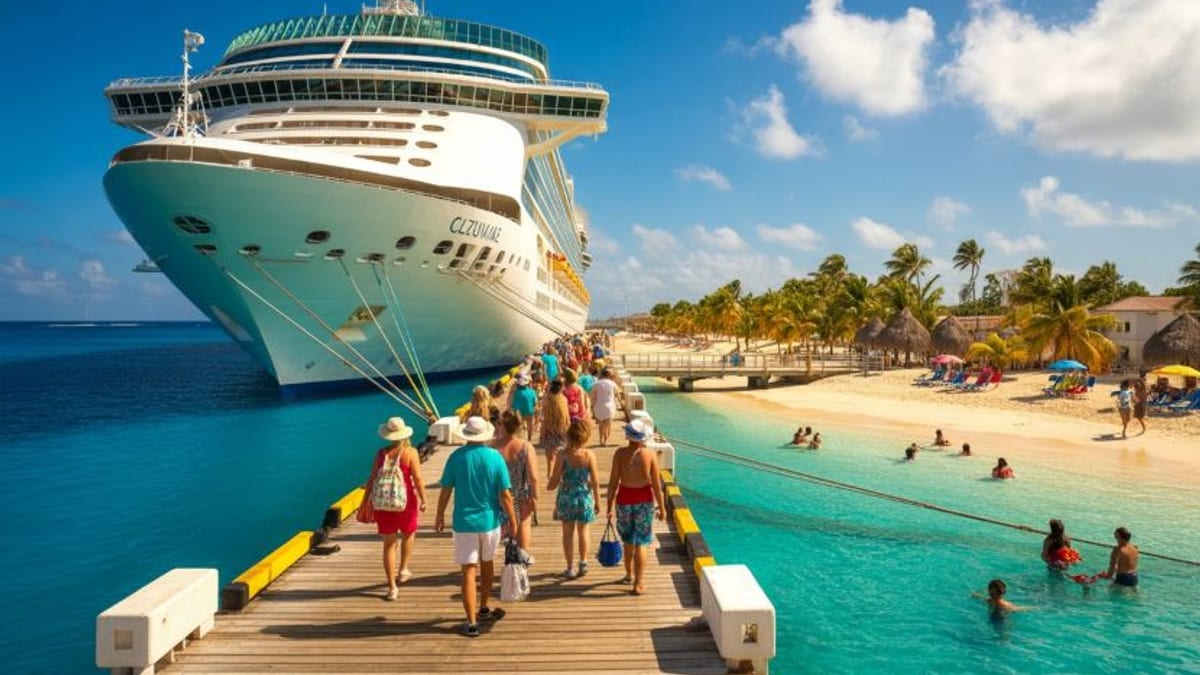
Jamaica’s outreach to Saudi and Middle Eastern partners is tightly connected to a broader infrastructure program that the government describes as central to long-term tourism competitiveness. Publicly available statements from the Ministry of Tourism and related agencies highlight large-scale works at Sangster International Airport in Montego Bay, Norman Manley International Airport in Kingston and the cruise ports that handle a significant share of visitor arrivals.
Recent briefings indicate that upgrades at Sangster are designed to increase annual passenger capacity to around five million in the near term, supported by expanded terminal facilities, runway improvements and technology enhancements to speed up processing. Norman Manley is being repositioned as a stronger business and multi-destination gateway, while works in resort towns such as Ocho Rios and Falmouth are intended to modernize the cruise experience and shore excursions.
Beyond the main gateways, the government has signaled that aviation development at Vernamfield in Clarendon is a priority, describing the site as part of a future “aviation ecosystem” that can support cargo, training and potentially additional passenger operations. According to Jamaica Information Service reports, this vision is linked directly to the Tourism 3.0 agenda, which sees airlift and logistics as levers for tourism expansion and economic resilience.
Infrastructure spending is also being channeled into roads, water and digital connectivity in major resort areas and emerging destinations. These investments are presented domestically as prerequisites for attracting capital from partners such as Saudi Arabia, which often link financing to long-term, large-scale projects in airports, ports and tourism-related real estate.
Middle East Connectivity and Codeshare Opportunities
Jamaica’s growing presence at Middle Eastern travel trade events underlines the focus on connectivity. Coverage of Arabian Travel Market 2025 shows a Jamaican delegation engaging with airlines and tourism companies in Dubai, while an Emirates corporate release from the same period notes discussions with Jamaican tourism representatives on routing visitors through codeshare and interline partners into the Caribbean.
While there is currently no direct nonstop service between Jamaica and Gulf hubs, publicly available comments from Bartlett and aviation planners point to a hub-and-spoke approach that would see travelers connect via European, North American or Latin American gateways. Over time, the aim is to justify more direct or one-stop routings from cities such as Riyadh, Jeddah, Dubai or Abu Dhabi as demand builds.
In this framework, a Saudi partnership could involve collaboration with Saudia or other carriers tied to Saudi aviation expansion, as well as joint marketing campaigns targeting niche segments like luxury travelers, multi-generational families and meetings and incentives groups. Jamaica’s established reputation in sun-and-sand, music and culture tourism is seen as complementary to the desert, heritage and urban experiences offered in Gulf destinations.
Tourism officials have also repeatedly highlighted the importance of aviation as a growth driver, with recent government communications stressing that improved airlift is essential to reach ambitious visitor and earnings targets. Engagement with Middle Eastern carriers and regulators is presented as a practical step toward diversifying the island’s route map.
Multi-Destination Tourism and Resilience Ambitions
Alongside direct market development, Jamaica is advancing a multi-destination tourism model that seeks to package the island with neighboring Caribbean states and potentially with partner countries beyond the region. Local media reports from 2024 describe plans for joint itineraries linking Jamaica with destinations such as the Cayman Islands and the Dominican Republic, designed to encourage longer stays and higher spending.
This concept aligns with the wider work of the Global Tourism Resilience and Crisis Management Centre, an institution co-founded in Jamaica that promotes strategies for dealing with shocks and disruptions. By linking multi-country packages to improved connectivity through hubs like those in Saudi Arabia and the Gulf, planners aim to create flexible itineraries that can be adjusted quickly when individual markets face health, climate or geopolitical challenges.
Saudi cooperation is frequently referenced in this broader resilience narrative, not only for its potential investment capacity but also for its active role in global tourism diplomacy and hosting of major industry events. Jamaica’s presence in these forums has helped to raise its profile as a case study in recovery and as a willing partner for experimental models of tourism growth.
As Jamaica looks to the remainder of the decade, the convergence of Saudi and Middle Eastern partnerships, large-scale infrastructure upgrades and a push toward multi-destination travel indicates a tourism strategy that extends well beyond traditional source markets. How quickly air links materialize and investment deals are finalized will determine the pace at which these ambitions translate into visitor numbers and community-level benefits.
Jamaica Ministry of Tourism: Markets thrust to UK and Middle East
Jamaica Information Service: Infrastructure critical to sustainable tourism growth
Office of the Prime Minister: Tourism growth and innovation overview
Emirates: Jamaica tourism delegation at Arabian Travel Market 2025