

Few destinations capture the imagination like Japan. From neon cityscapes and tranquil temples to alpine hot springs and tropical islands, the country offers an extraordinary range of experiences in a compact, efficient package. This guide brings together the key information you need before you go, so you can plan a smooth, rewarding trip while respecting local customs and making the most of your time on the ground.
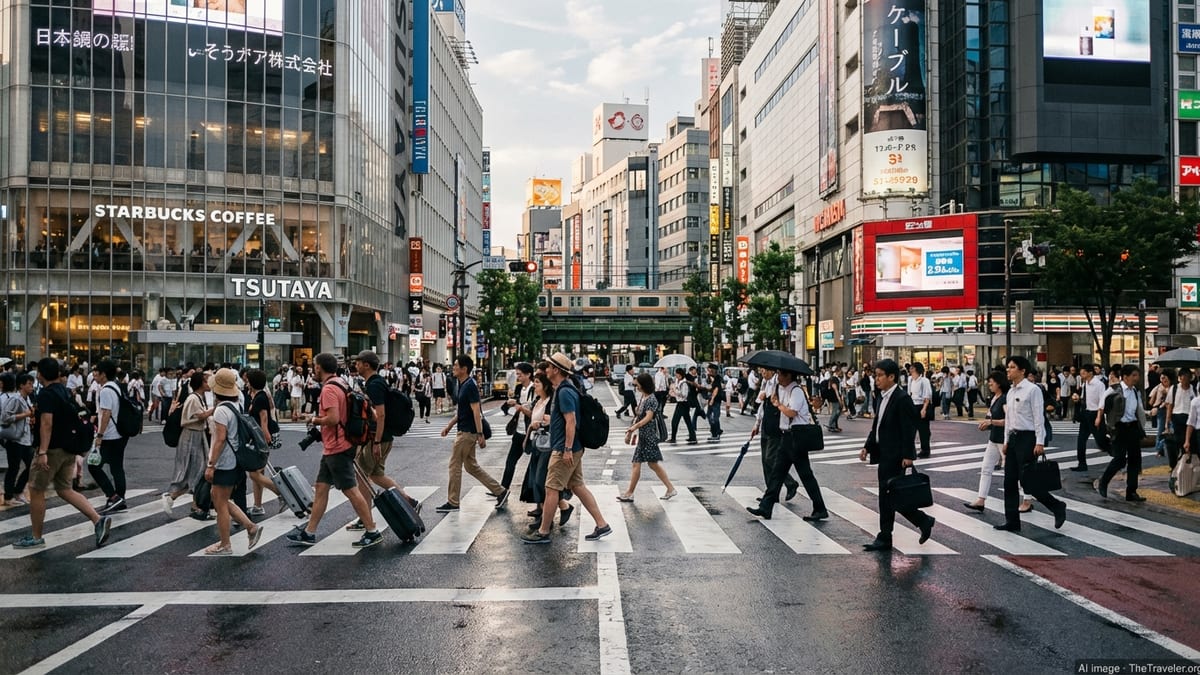
Understanding Japan Now: The Big Picture
Japan remains one of the world’s most seamless and safe destinations for independent travelers. Public transport is highly reliable, streets are generally clean, and crime rates are comparatively low by global standards. At the same time, visitor numbers have surged again, especially from 2024 onward, which means advance planning is more important than it was a decade ago. Popular areas such as Tokyo, Kyoto, and Osaka can feel very busy in peak seasons, and accommodations and trains may sell out well ahead of time.
For short-term tourism, many nationalities can visit Japan visa-free for stays of up to 90 days, provided they have a valid passport, proof of onward travel, and sometimes evidence of sufficient funds. Requirements vary by citizenship and can change, so it is important to check official government or embassy guidance shortly before you travel. As of early 2026, routine tourism is operating normally, with no broad pandemic-related restrictions, although health and safety rules can still change at short notice.
Japan is also investing in infrastructure and services ahead of major events such as the Osaka World Expo in 2025, leading to upgrades across transport, signage, and digital tools. English-language support has improved in train stations, on ticket machines, and in many hotels, but you should still expect some language barriers, especially outside major cities. A willingness to use translation apps, simple English, and basic Japanese phrases goes a long way.
While Japan can have a reputation for being expensive, the reality is more nuanced. Daily costs can be surprisingly manageable if you use convenience stores, local eateries, and regional trains. What tends to drive up budgets are long-distance bullet train journeys, high-end dining, and stays in traditional ryokan inns with included dinners and breakfasts. Deciding what you want to prioritize will help you shape a realistic budget from the start.
Best Time to Visit: Seasons, Weather, and Crowds
Japan is a year-round destination, but the experience changes sharply with the seasons. Spring and autumn are generally considered the most attractive periods, both for weather and scenery, and they are also the busiest. Cherry blossom season typically begins in the south around mid March and progresses northward into April and early May, with cities such as Tokyo and Kyoto often reaching peak bloom in late March or early April. This period is visually spectacular and culturally significant, yet it also brings higher prices and heavy crowds in popular spots.
Autumn, usually from late October through November, is increasingly popular with travelers who prefer cooler air and vivid foliage over the fleeting sakura weeks. Maple and ginkgo trees turn deep reds, oranges, and yellows across parks, temple gardens, and mountain valleys. Many destinations mark the season with illuminations and festivals, particularly in areas such as Kyoto and northern Honshu. Autumn tends to offer a longer window of pleasant conditions than spring, with crisp days that suit hiking and outdoor exploration.
Summer in Japan, from June to early September, is hot and humid in much of the country. The rainy season usually arrives in June and can bring persistent showers, followed by steamy temperatures in July and August. On the other hand, this is festival season, with fireworks displays, traditional dance events, and lively street stalls. Rural regions and higher elevations, such as the Japanese Alps and Hokkaido, can feel refreshingly cooler and less crowded than the big cities. Typhoons are more likely in late summer and early autumn, so flexible itineraries and travel insurance are important.
Winter, from December to February, is an underappreciated time to visit for many international travelers. Cities are less crowded outside the New Year period, and clear, cold days can be beautifully atmospheric. Northern regions and mountain areas receive heavy snowfall, supporting some of the best skiing and snowboarding in Asia, as well as serene onsen hot spring towns. Coastal areas along the Sea of Japan can be snowy and moody, while southern regions such as Okinawa are milder but not truly hot. If you enjoy hot springs, seasonal food, and a quieter pace, winter has strong appeal.
Visas, Entry Formalities, and Money
Before booking flights, confirm whether you can enter Japan visa-free or need to apply in advance. Many travelers from Europe, North America, and parts of Asia and Oceania receive short-term visa waivers on arrival, typically valid for up to 90 days for tourism or business. Travelers from other regions may need to secure a visa through a Japanese embassy or consulate. Requirements can evolve in response to political or public health developments, so treat any information you read well in advance as provisional and verify again a few weeks before departure.
On arrival, you will go through immigration and customs, where you may be asked about your itinerary, accommodation details, and onward travel. Most visitors now complete arrival and customs forms electronically at airport kiosks or online pre-arrival systems where available. Biometric data such as fingerprints and a photo are collected for most foreign travelers. Keep copies of your hotel bookings and a rough travel plan stored offline in case your phone or internet connection fails at the airport.
Japan remains a heavily cash-oriented society compared with some other advanced economies, although card acceptance has expanded noticeably in recent years. Major international credit cards are widely accepted in hotels, department stores, and chain restaurants, but many small eateries, shrines, rural guesthouses, and older shops still prefer cash. ATMs that accept foreign cards are commonly found in convenience stores and post offices. It is wise to carry a mix of cash and cards, with enough yen to handle local transport, small meals, and minor purchases in case card terminals are unavailable.
Prepaid IC cards such as Suica and Pasmo are once again widely available as of 2026, after a period of limited supply, and they are extremely useful for visitors. You can load them with yen and tap to pay for most trains, subways, buses, and many vending machines and shops in major cities. Versions tailored for tourists, such as Welcome Suica, are sold at airports and major stations and simplify short stays. IC cards do not replace the need for some cash, especially in rural areas, but they streamline everyday spending and help you move quickly through ticket gates.
Getting Around: Trains, Passes, and Local Transport
Japan’s railway network is one of the most extensive and punctual in the world, making it the backbone of most itineraries. High speed shinkansen bullet trains link major cities such as Tokyo, Kyoto, Osaka, Hiroshima, and Fukuoka, while regional and local lines reach smaller towns and suburbs. Trains typically depart exactly on time, and schedules are dense on main corridors during the day. In cities, subways and private railway lines supplement the national JR network, offering fast, frequent service across metropolitan areas.
Many visitors consider a rail pass to help manage costs, but the value depends on your route and travel pace. Prices for national and regional passes have risen in recent years, and some products have been revised or discontinued, so it is important to compare current pass prices with the cost of individual tickets. If your trip centers on just one or two regions, you may find that regional passes or point to point tickets purchased as you go are more economical than a long duration nationwide pass. When you do buy a pass, remember that seat reservations on shinkansen and limited express trains are strongly recommended during peak seasons.
Within cities, IC cards make urban transport simple. You tap in and out at ticket gates, and the correct fare is deducted automatically. Most major metropolitan areas have English signage and recorded announcements on trains, though rural or older lines may not. Taxis are clean and safe, with drivers who usually rely on navigation systems rather than verbal directions in English. Rideshare services are available in limited forms in some cities but are not as widespread as in many Western countries, so do not rely on them as your main form of transport.
Driving can be useful for remote regions, but it is not necessary for classic first time routes. If you choose to rent a car, you will need an appropriate driving permit that Japan recognizes, such as an International Driving Permit based on your national license. Roads are well maintained and signage on major routes often includes English, but city driving and parking can be stressful. Winter conditions in northern and mountainous areas can be severe, with snow and ice, so check local advisories and ensure your vehicle is correctly equipped.
Accommodation, Costs, and Budget Planning
Japan offers a wide range of accommodation styles, from business hotels and capsule pods to luxury ryokan inns, vacation rentals, and international chains. In major cities, compact business hotels close to train stations provide efficient, clean rooms that maximize convenience over space. Traditional ryokan and smaller guesthouses are common in onsen towns and rural areas, where the emphasis is on hospitality, multi course kaiseki dinners, and communal hot spring baths. Booking these properties well ahead is important during weekends and peak seasons, as room counts are often limited.
Nightly rates vary significantly by city, season, and property type, but visitors are often surprised by how much value they can find at mid range levels. Breakfast buffets at hotels, which frequently combine Japanese and Western options, can reduce daytime food spending. Convenience stores and casual chains offer affordable meals, from bento boxes and noodles to salads and onigiri rice balls. Local izakaya pubs, ramen counters, and neighborhood diners can be very reasonably priced, though some require cash payment and may have limited English menus.
Overall trip costs depend on how frequently you move around, how far you travel, and how often you choose high end dining or ryokan stays. A slower itinerary that focuses on one or two regions, uses regional trains instead of frequent long distance shinkansen rides, and leans on casual dining can keep budgets in check without sacrificing depth of experience. Travel insurance is strongly recommended, both for medical coverage and for protection against disruptions from weather or transport issues.
Advance reservations are increasingly critical for popular restaurants, attractions, and experiences. Some temples, museums, and cultural sites have introduced timed entry systems or daily visitor caps to manage crowds and protect heritage. If a particular experience, such as a high demand restaurant or seasonal event, is central to your trip, secure it first and build the rest of your itinerary around those fixed points.
Cultural Etiquette and Everyday Behavior
Respectful behavior is central to enjoyable travel in Japan, both for you and for residents. The country has many unwritten social rules that can feel unfamiliar at first, but most revolve around consideration, cleanliness, and quiet. Speaking softly on public transport, queuing in an orderly fashion, and avoiding eating while walking on crowded streets are small gestures that locals notice and appreciate. In trains and buses, priority seats are reserved for pregnant people, older passengers, and those with disabilities, and talking on mobile phones is discouraged.
Shoes play an important role in etiquette. You will often be asked to remove them when entering traditional accommodations, private homes, some restaurants, and the inner areas of temples or shrines. In these cases, wear socks without holes and follow the system provided, which may involve designated indoor slippers and separate toilet slippers. Never step on tatami mats in outdoor shoes. If you are uncertain, watch what locals do or politely ask the staff.
At shrines and temples, behave calmly and respectfully. Photography rules vary; some areas permit photos, while others explicitly prohibit them. Look for signage and, when in doubt, ask before photographing religious rituals or people in prayer. When visiting hot spring baths, follow local bathing customs carefully: you must wash thoroughly before entering shared tubs, swimwear is usually not allowed in traditional onsen, and tattoos may still be restricted at some facilities, although attitudes are slowly softening.
Tipping is not part of everyday Japanese culture and can be confusing or uncomfortable for staff. Excellent service is considered standard and is reflected in prices. In a few situations, such as private guides or certain high end services, tips placed discreetly in an envelope may be accepted, but this is not common. Instead of tipping, a sincere thank you, a few polite Japanese phrases, and orderly behavior are the best ways to show appreciation.
Connectivity, Language, and Staying Connected
Staying online in Japan has become progressively easier. Many travelers rent a pocket Wi Fi device or purchase a local eSIM or SIM card at the airport, which supports maps, translation apps, and messaging on the go. Free Wi Fi is available in a growing number of train stations, cafes, and hotels, but coverage can be patchy, so relying solely on public networks is not advisable if you need consistent access. Check in advance that your phone is unlocked and compatible with local mobile networks.
English is reasonably common in major tourism hubs, particularly among younger people and hospitality workers, but it is far from universal. Train announcements in large cities are often bilingual, and station signage usually includes romaji, the Romanized version of Japanese place names. In smaller towns, English may be rare, and menus or signs may be only in Japanese. Translation apps that work offline are extremely useful, especially those that can scan and interpret text from menus and signboards.
Learning a handful of basic phrases, such as greetings and simple expressions of thanks and apology, can transform interactions. A few words like “sumimasen” for excuse me or sorry, and “arigato gozaimasu” for thank you, signal effort and respect, even if your pronunciation is imperfect. Locals are generally patient with visitors who are clearly trying. Carrying your accommodation’s name and address written in Japanese can also be helpful when you need to show a taxi driver or ask someone for directions.
Navigation apps work well in Japanese cities, but be aware that underground walkways, multi level station complexes, and overlapping rail networks can confuse even experienced travelers. Allow extra time for transfers in large hubs such as Shinjuku, Tokyo, and Osaka stations, and do not hesitate to ask station staff for help. Most will respond kindly, and some will walk you directly to the right platform if they have time.
Health, Safety, and Practical Tips
Japan is widely regarded as a safe destination, with low levels of violent crime and a culture that emphasizes order and responsibility. Lost items are often turned in to station offices or police boxes, and children commonly commute alone to school. That said, basic precautions still apply. Keep valuables in a secure bag, be mindful of your belongings in busy stations and tourist sites, and use hotel safes when available. Solo travelers, including solo women, generally report feeling comfortable, especially in central urban areas.
Tap water is safe to drink throughout most of the country, and food hygiene standards are high. Visitors with dietary restrictions should plan ahead, as strict vegetarian, vegan, halal, or gluten free options can be harder to find outside major cities. Researching restaurants in advance and carrying translated cards that explain your needs can reduce stress. Pharmacies are readily available, but brand names and formulations often differ from those at home, so bring any essential medication in original packaging, along with copies of prescriptions.
Japan is prone to natural hazards such as earthquakes, typhoons, and heavy snowfall in some regions. Buildings and infrastructure are designed with earthquakes in mind, and locals are accustomed to occasional tremors. In the event of a quake, follow standard safety advice: protect your head, move away from falling objects, and wait until shaking stops before evacuating if needed. Pay attention to local advisories during typhoon season, particularly for coastal or island travel, and listen to hotel staff or transport operators if they recommend changes to your plans.
Practical small items can make your trip smoother: a compact umbrella for sudden showers, a reusable water bottle, a small towel or handkerchief, and a portable battery for your phone. Many public restrooms do not provide paper towels or dryers, so a personal hand towel is very useful. Keeping a packing list with these details helps avoid unnecessary purchases on arrival.
FAQ
Q1. Do I need a visa to visit Japan as a tourist?
Visa requirements depend on your nationality. Many travelers receive short term visa waivers on arrival, while others must apply in advance. Always check the latest rules with official government sources before you book.
Q2. Is Japan very expensive compared with other destinations?
Japan can be costly, but it does not have to be. Daily expenses are manageable if you use convenience stores, casual restaurants, and regional trains. Luxury ryokan stays, extensive shinkansen travel, and fine dining are what typically raise overall budgets.
Q3. When is the best time of year to travel to Japan?
Spring and autumn are the most popular for weather and scenery, but they are also the busiest. Summer brings festivals and heat, while winter offers quiet cities, snow sports, and excellent hot springs. The best time depends on your interests and tolerance for crowds.
Q4. How many days should I plan for a first trip?
A stay of 10 to 14 days is a good starting point for a first visit, allowing time for a few days in Tokyo, several in Kyoto or Osaka, and one or two side trips. Shorter trips are possible but require a more focused itinerary.
Q5. Is it easy to get around Japan without speaking Japanese?
Yes, especially in major cities and popular tourist areas. English signage is common on trains and in stations, and many hotels have English speaking staff. In rural regions, language barriers increase, so translation apps and basic phrases become more important.
Q6. Should I buy a Japan Rail Pass or regional passes?
Whether a rail pass is worthwhile depends on how far and how often you travel. For intensive multi city itineraries, some passes can save money, but price increases mean that point to point tickets or regional passes may be better value for slower, more focused trips.
Q7. Is cash still necessary, or can I rely on cards?
Card acceptance is improving, but cash remains important, especially for small shops, local restaurants, and rural areas. A combination of a prepaid IC card, an international credit or debit card, and some cash in yen provides the most flexibility.
Q8. Are there any important etiquette rules I should know?
Key points include speaking quietly on public transport, queuing politely, removing shoes where requested, not tipping in most situations, and following local customs at shrines, temples, and hot springs. Observing and copying what locals do is often the best guide.
Q9. Is Japan safe for solo travelers, including women?
Japan is generally very safe, and many solo travelers, including women, report positive experiences. Standard precautions still apply, but public spaces are usually well monitored, and late night public transport remains widely used.
Q10. How far in advance should I book trains, hotels, and activities?
For peak seasons such as cherry blossom and autumn foliage, aim to book accommodation several months ahead, especially in Kyoto and Tokyo. Seat reservations on major trains and tickets for popular attractions should be made as early as allowed, while off peak travel can often be planned more flexibly.