

More news on this day
Jet2 passengers travelling from Birmingham Airport to a popular holiday island are being advised to expect potential disruption in the coming days, after the airline issued a fresh warning that some services may be adjusted at short notice.
Get the latest news straight to your inbox!
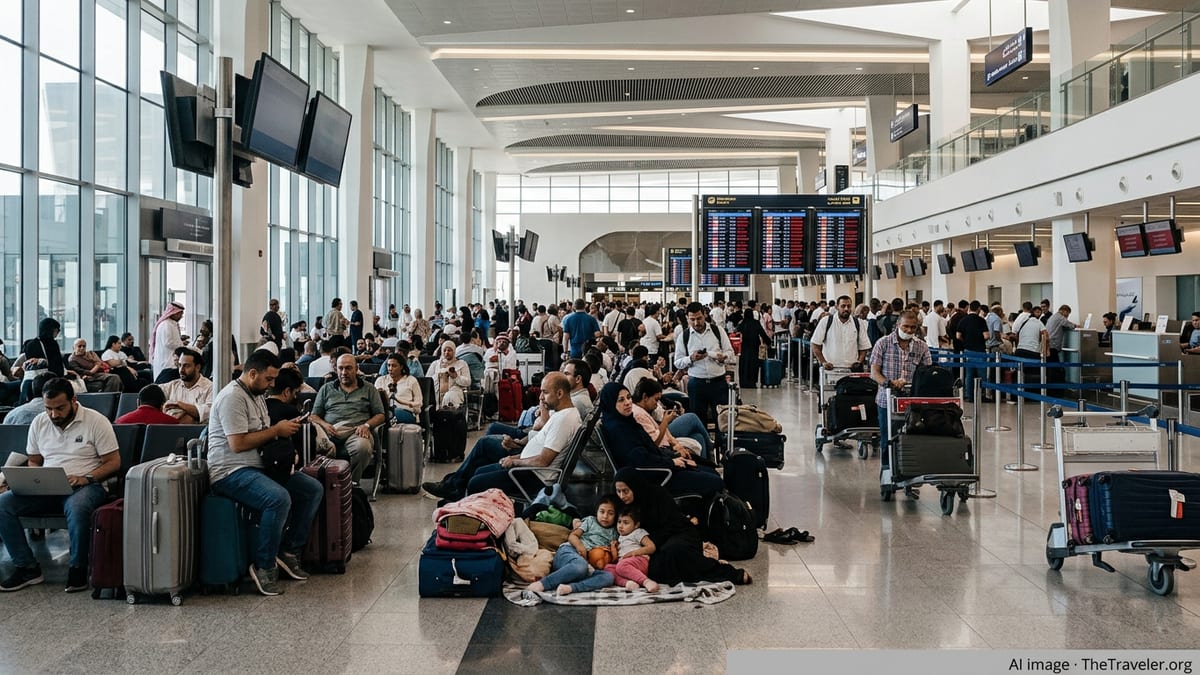
Jet2 flags operational risks on Birmingham leisure route
According to recent travel updates, Jet2 has cautioned that its programme from Birmingham to a well‑known holiday island could be affected by a mix of local weather conditions, air traffic restrictions and operational constraints at short notice. The airline is aiming to keep its schedule as close to normal as possible but has acknowledged that some flights may need to be retimed, rerouted or, in limited cases, cancelled.
Publicly available information indicates that the warning is precautionary, reflecting a period of unsettled conditions that has already led to disruption for several airlines in southern Europe and the Mediterranean. While the vast majority of Jet2 flights are still operating, the carrier is drawing attention to the possibility of last minute changes so that customers can plan accordingly.
Jet2 operates an extensive leisure network from Birmingham, with seasonal peaks to sun destinations that concentrate large numbers of flights into relatively short windows of the day. Industry reporting suggests that this pattern can make schedules more vulnerable to knock‑on delays when poor weather or air traffic control restrictions occur at one or more airports along the route.
In previous disruption episodes affecting island destinations, Jet2 and rival carriers have occasionally been forced to consolidate flights, extend delays or suspend operations for short periods while conditions stabilise. The latest message to Birmingham passengers appears designed to manage expectations before any similar measures are required.
Weather, airspace limits and busy schedules behind disruption risk
Reports from recent days highlight how a combination of high winds, low visibility and capacity limits in regional airspace has created challenges for airlines serving coastal and island airports. When conditions deteriorate, aircraft may be subject to extended holding patterns, diversions to alternative airports or strict spacing requirements on arrival and departure.
Operational documents released by Jet2 in recent years outline how such external factors can trigger wider disruption. A delayed inbound aircraft, for example, can push subsequent departures outside of planned crew working hours, forcing the airline to swap aircraft or crew or to reschedule flights. On tightly timed leisure programmes, even small delays early in the day can accumulate, particularly at busy bases such as Birmingham.
Aviation analysts note that island airports popular with holidaymakers often have limited runway capacity, challenging terrain or specific approach procedures that can be more sensitive to changing weather. When combined with peak season demand and constrained parking stands, this can reduce the flexibility airlines have to recover from earlier issues.
In this context, Jet2’s latest warning is being seen as part of a broader pattern of airlines communicating more openly about potential disruption linked to factors beyond their direct control, while also signalling that they are working to operate as much of the schedule as possible.
What affected Birmingham passengers are being advised to do
Publicly available guidance for Jet2 customers emphasises the importance of checking flight status before leaving for the airport and monitoring email and text messages closely in case of schedule changes. Travellers are being encouraged to ensure their contact details are up to date in existing bookings so that any notifications can be received quickly.
For those travelling to the affected island from Birmingham, travel commentators recommend allowing extra time at the airport, particularly on early morning departures when security and check in areas can be busiest. Recent discussions about Birmingham Airport show that peaks in demand from multiple airlines can lead to longer queues, making it advisable to arrive well ahead of the airline’s minimum check in time.
Holidaymakers with connecting travel, such as onward ferries, domestic flights or private transfers on the island, are being urged to build in additional buffers where possible or to check the flexibility of those arrangements. Travel industry experts point out that while many package holidays include some protection if schedules change, independently arranged connections can be more exposed to delays.
Travel insurance specialists also advise reviewing policy terms to understand what level of cover, if any, is available for costs arising from significant delays or cancellations. Coverage can differ depending on whether disruption is linked to weather, air traffic control or airline operational issues, and on whether alternative arrangements are provided by the carrier.
Passenger rights and what disruption could mean in practice
Consumer guidance on UK and European air travel rules notes that passengers on flights departing from Birmingham with UK or EU carriers may, in some circumstances, be entitled to assistance or compensation if they face long delays or cancellations. However, payments are not generally owed when disruption stems from factors considered outside an airline’s reasonable control, such as severe weather or certain air traffic management decisions.
In practical terms, a warning of potential disruption on the Birmingham route to the island may translate into a range of outcomes. Some flights may continue to operate broadly on time, others might see revised departure times notified a day in advance, while a smaller number could experience longer delays, diversions or consolidation with other services.
Travel commentators suggest that customers booked to travel in the coming days should pay close attention to any updated departure information, but avoid making drastic changes until clearer details are available. Where a flight is significantly revised or cancelled, airlines typically outline rebooking options, refunds or, for package holidays, changes to accommodation and transfers.
Industry observers add that, although such alerts can cause understandable concern for holidaymakers looking forward to a break in the sun, early warnings can reduce last minute airport frustration by encouraging passengers to stay informed and to understand the possible scenarios in advance.
Broader implications for Birmingham’s busy holiday market
The situation highlights the pressures on Birmingham Airport as a major base for Jet2 and other leisure carriers serving Mediterranean, Atlantic and North African islands. Pre pandemic and more recent traffic data show that early morning and weekend peaks can be particularly intense, with several aircraft scheduled to depart within minutes of each other for popular resorts.
Aviation analysts note that any sustained period of bad weather or airspace disruption affecting island destinations can have an outsized impact on airports such as Birmingham, where a high proportion of flights are leisure focused and seasonally concentrated. When a single island experiences issues, knock on effects can ripple through the rest of the network as aircraft and crews are repositioned.
While there is no indication that the latest warning represents a long term reduction in Jet2’s commitment to its Birmingham base, it underlines how sensitive complex holiday operations can be to external shocks. Industry reporting on previous disruption events suggests that airlines often need several days to fully restore normal patterns once conditions improve.
For now, Jet2’s message to customers heading from Birmingham to the affected holiday island is to stay alert to updates but to remain prepared to travel as planned unless contacted with specific changes. With the peak summer season approaching, how smoothly airlines and airports manage such episodes will be closely watched by both passengers and the wider travel industry.