


More news on this day
JetBlue has introduced a targeted $5,000 bonus program for eligible crew members following a wave of flight cancellations across its network, in a bid to stabilize staffing and reassure travelers about the reliability of its summer schedule.
Get the latest news straight to your inbox!
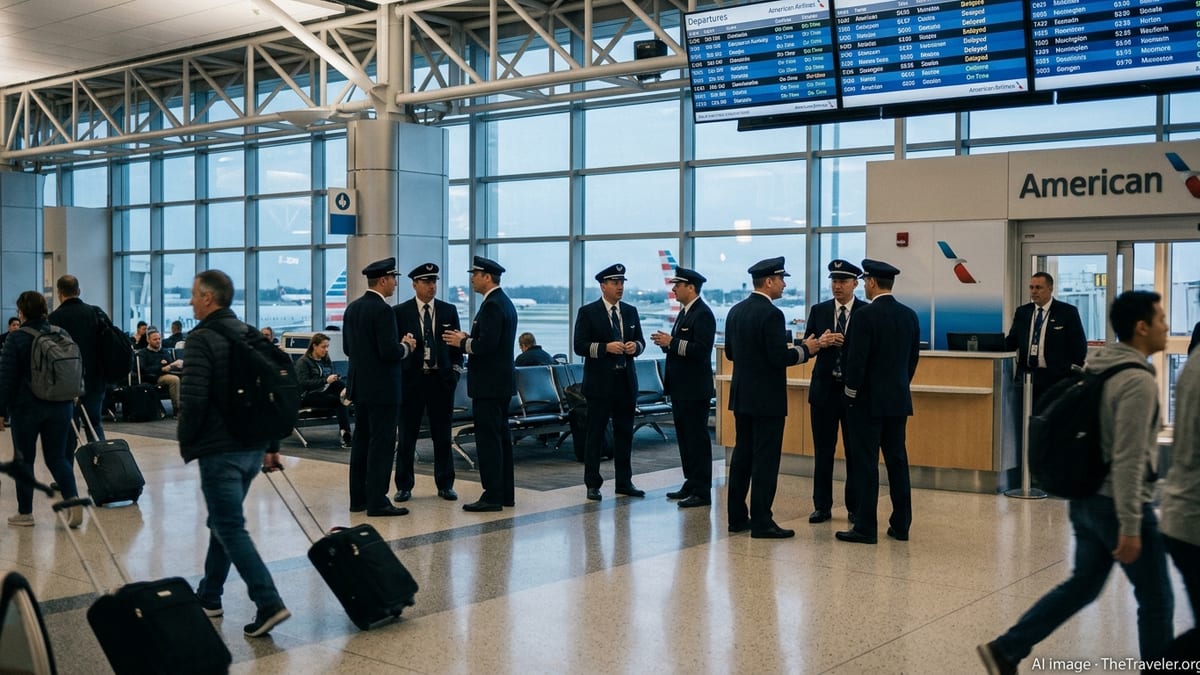
Bonus Program Targets Frontline Staffing Pressures
According to recent industry and business media coverage, JetBlue has rolled out a limited-time incentive that offers qualifying crew members bonuses of up to $5,000. The payments are structured to encourage staff to take on additional flying and remain available during peak operational periods, when the airline has struggled to keep its schedule intact.
Publicly available information indicates that the program primarily focuses on frontline operational staff, including flight attendants and other in-flight crew members, whose availability directly affects whether flights can legally depart. Airlines must comply with strict minimum-crew rules, meaning even a single missing crew member can trigger delays or cancellations.
The move underscores how staffing has become a critical chokepoint for carriers balancing aggressive summer schedules with tight labor markets. For JetBlue, which markets itself on customer service and reliability, high-profile disruptions can quickly erode that brand positioning and push travelers toward competitors.
Analysts note that bonus schemes of this size reflect the financial stakes involved. While the outlay to pay thousands of dollars per crew member is significant, the cost of widespread cancellations, rebookings, compensation, and reputational damage can be far higher for an airline of JetBlue’s scale.
Hundreds of Cancellations Highlight Ongoing Operational Strains
Reports from flight-tracking platforms, traveler forums, and airport operations over recent days and weeks indicate that JetBlue has experienced hundreds of cancellations and extensive delays on key routes, especially in and out of congested East Coast hubs. These disruptions have been driven by a mix of summer thunderstorms, air-traffic control constraints, and crew availability challenges.
In many cases, passengers described flights that were delayed repeatedly before ultimately being canceled late at night, leaving travelers to scramble for hotels or alternative flights. Publicly shared accounts frequently referenced aircraft and crews being out of position, a common scenario when earlier flights are scrubbed and the ripple effects spread across an airline’s network.
While adverse weather and airspace restrictions remain outside any carrier’s control, operational data and regulator guidance show that crew-related issues are categorized as controllable for airlines. As a result, unions, consumer advocates, and regulators have been watching closely to see how carriers invest in staffing, scheduling, and incentives to prevent avoidable cancellations.
JetBlue is not alone in facing these pressures. U.S. airlines broadly have been navigating the same mix of strong travel demand, tight pilot and flight-attendant pipelines, and increasingly frequent severe-weather events that can disrupt even carefully planned schedules.
Labor Relations and Retention Loom in the Background
The $5,000 bonus initiative also lands against a backdrop of evolving labor relations at JetBlue. Company filings show that large segments of its workforce, including pilots and inflight crew members, are represented by unions with contracts that set pay, work rules, and scheduling practices through the middle of this decade.
Union leaders across the industry have argued that one-time bonuses cannot substitute for long-term improvements in pay scales, duty-time rules, and quality-of-life protections. However, temporary incentives can play a role in bridging near-term staffing gaps, particularly during high-demand periods when airlines must choose between trimming schedules or offering richer short-term pay.
For JetBlue, the bonus program acts as both a retention and reliability tool. By offering thousands of dollars in extra compensation, the airline is signaling to crew members that there is a clear financial reward for staying engaged through a difficult period. At the same time, the program is designed to help ensure that enough qualified staff are available to operate flights as scheduled.
Industry observers will be watching to see whether the incentives translate into more stable operations or simply highlight deeper structural issues in staffing and scheduling that require broader contract changes and long-term hiring strategies.
Customer Impact and Compensation Questions Intensify
The operational turmoil that prompted the new crew bonus has had immediate consequences for customers. Travelers affected by cancellations have turned to social media, online forums, and consumer channels to document experiences ranging from missed connections and vacation days to unexpected hotel and meal expenses.
Publicly available guidance from regulators outlines that U.S. airlines are responsible for refunds when flights are canceled and the passenger chooses not to travel, and for rebooking when disruptions occur. However, the level of vouchers, credits, or additional compensation offered in controllable disruptions varies by carrier and internal policy.
In JetBlue’s case, some passengers have contrasted their actual compensation offers with the airline’s historical customer-service commitments, noting that goodwill gestures such as travel credits or loyalty points have appeared more limited than in the past. This has led to renewed scrutiny of the gap between airline marketing around customer care and the reality when operations falter.
By tying a substantial bonus directly to crew availability, JetBlue is effectively wagering that better-staffed flights will reduce the frequency and severity of such customer-service flashpoints, thereby cutting complaint volumes and preserving long-term loyalty among frequent flyers.
Strategic Signals for JetBlue’s Network and Competitiveness
The decision to put a $5,000 figure on the table for many crew members sends a broader signal about JetBlue’s priorities as it navigates a competitive U.S. market. The airline has been reshaping its network, exploring new premium offerings, and confronting cost pressures such as higher fuel and labor expenses.
Ensuring that scheduled flights actually operate has become a fundamental prerequisite for those broader strategic ambitions. Persistent cancellations can undermine new route launches, premium-cabin investments, and loyalty-program promotions, as travelers increasingly factor operational reliability into their airline choices.
Industry commentary suggests that, if the bonus program successfully stabilizes staffing and curbs cancellations, it may become a template for how JetBlue and other carriers manage peak-season operations in the future. Conversely, if disruptions continue despite the incentives, pressure is likely to build for deeper changes in scheduling practices, reserve-crew planning, and labor agreements.
For now, the $5,000 crew bonus puts a clear price tag on the value of reliability in a summer travel season defined by high demand and low tolerance from passengers for yet another round of last-minute cancellations.