


More news on this day
JetBlue is offering flight attendants bonuses reportedly worth up to $5,000 to pick up trips on their days off, as the New York based carrier struggles to stabilize its operation after a stretch of severe weather, crew shortages and mounting cancellations across its network.
Get the latest news straight to your inbox!
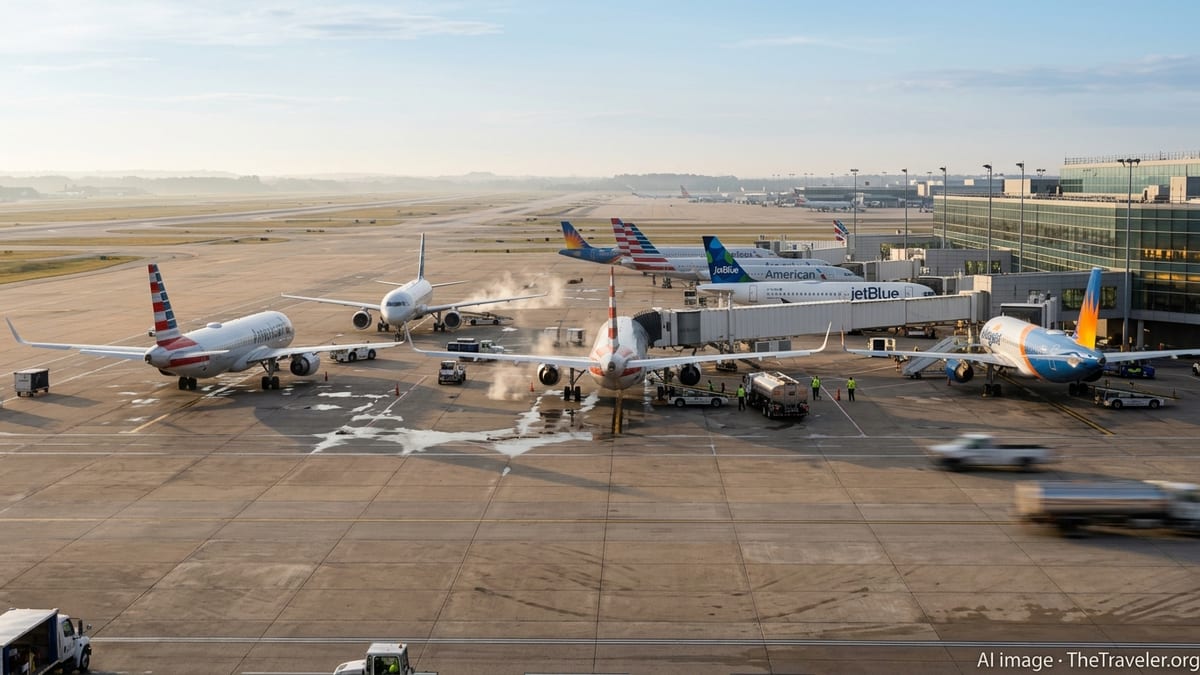
Bonus Offer Targets Flight Attendant Shortages
According to multiple media reports and internal communications shared online, JetBlue has rolled out an incentive program that pays flight attendants several thousand dollars if they agree to work on pre scheduled days off during the current period of disruption. The payments, which some reports indicate can total as much as $5,000 for flying a set number of additional pairings, are aimed at quickly boosting staffing on key routes where scheduling gaps have contributed to cancellations and long delays.
Publicly available information suggests the offer is time limited and tied to specific dates when the airline has struggled to attract enough crew to cover its published schedule. Rather than adjusting its timetable further, the carrier is leaning on voluntary overtime from cabin crew members who are willing to forgo time at home in exchange for a one time payout on top of regular pay.
The move highlights the critical role flight attendants play in keeping flights operating. Even when aircraft and pilots are available, federal safety rules require a minimum number of cabin crew on every departure. If a single flight attendant is missing or times out under duty regulations, a flight can be delayed or canceled, a scenario that has been described in numerous recent social media posts from affected travelers.
Days of Disruption Across JetBlue’s Network
The bonus program comes after days of widespread disruption in JetBlue’s core Northeast markets, where summer thunderstorms and air traffic control constraints have combined with internal scheduling challenges. Passengers have described on travel forums and social platforms a cascade of delays, last minute cancellations and lengthy rebookings, with some reporting being pushed several days out to the next available JetBlue flight.
New York area airports, including John F. Kennedy International and LaGuardia, have seen repeated weather related ground stops and flow control programs during peak travel periods this summer. When storms linger and air traffic capacity is reduced, airlines often run out of available crew as pilots and flight attendants hit their maximum duty limits. Reports indicate JetBlue has been particularly hard hit during these episodes, with a higher than average share of its daily schedule canceled or significantly delayed.
Travelers posting online have described flights sitting at gates or on tarmacs with aircraft ready but no available flight attendants, underscoring how even small staffing shortfalls can ripple across an airline’s operation. In some cases, passengers said they were notified of cancellations only after multiple rolling delays, as crew members timed out and could no longer legally operate the flight.
Union Pressure and Labor Market Constraints
JetBlue’s operational difficulties are unfolding against a backdrop of tightening labor conditions and increasing union activity within the airline. The Air Line Pilots Association, which represents JetBlue pilots, has publicly criticized the carrier’s scheduling systems in recent weeks, describing them in a formal statement as inadequate for handling repeated bouts of severe weather and high summer demand. Flight attendant groups and industry commentators have also highlighted the stress irregular operations place on cabin crews who are already working near contractual limits.
At the same time, demand for experienced flight attendants remains strong across the industry, with multiple carriers recruiting aggressively for cabin crew positions in key markets such as Boston, Fort Lauderdale and San Juan. Job postings reviewed for JetBlue’s inflight roles emphasize the need for flexibility, extended duty days and the ability to work holidays, underscoring how grueling peak travel seasons can be for front line employees.
In this environment, cash bonuses for picking up extra flying have become a tool airlines use to avoid deeper schedule cuts while trying to make additional work more attractive. However, labor advocates caution that short term incentives do not address underlying concerns about scheduling practices, fatigue and staffing levels that some crew members say leave little room for recovery during protracted periods of disruption.
Customers Face Cancellations, Rebookings and Uncertainty
For passengers, the immediate impact of JetBlue’s recent struggles has been uncertainty around travel plans. Posts on consumer forums and airline specific discussion boards over the past two weeks describe travelers stuck in transit cities, forced into overnight hotel stays at their own expense, or rebooked several days later than planned when flights were canceled due to a lack of available crew.
Some customers have reported turning to rival airlines at the last minute, paying higher walk up fares in order to reach their destinations after JetBlue rebooked them on flights that departed much later than their original itineraries. Others have cited challenges in reaching customer service agents quickly enough to secure favorable alternatives during peak disruption windows.
The airline has issued standard advisories reminding customers affected by significant schedule changes that they may be eligible for fee free changes or refunds in certain circumstances. However, individual travelers’ experiences appear to vary widely depending on route, timing and the specific reason cited for each delay or cancellation, whether weather, air traffic control constraints or crew availability.
Balancing Short Term Fixes With Long Term Strategy
The decision to offer $5,000 bonuses to flight attendants reflects JetBlue’s effort to apply a short term fix to an acute operational crunch at the height of the busy summer travel season. By encouraging cabin crew to fly additional trips on their days off, the airline is attempting to shore up its schedule quickly, limit further disruptions and demonstrate to customers that it is taking steps to restore reliability.
Industry analysts note that such incentives, while potentially effective in the near term, also carry costs and risks. Large one time payouts increase unit labor expenses and may set expectations among employees for similar measures during future periods of disruption. At the same time, reliance on overtime and restored days of availability can exacerbate fatigue and contribute to burnout if used too frequently.
Longer term, publicly available financial filings and strategy updates suggest JetBlue is focused on improving its network resilience, investing in technology and refining its schedule to better match available resources. The current wave of disruptions and the unusual size of the cabin crew bonuses are likely to intensify scrutiny from regulators, investors and customers of how the carrier manages its operations during peak demand and volatile weather patterns.