


More news on this day
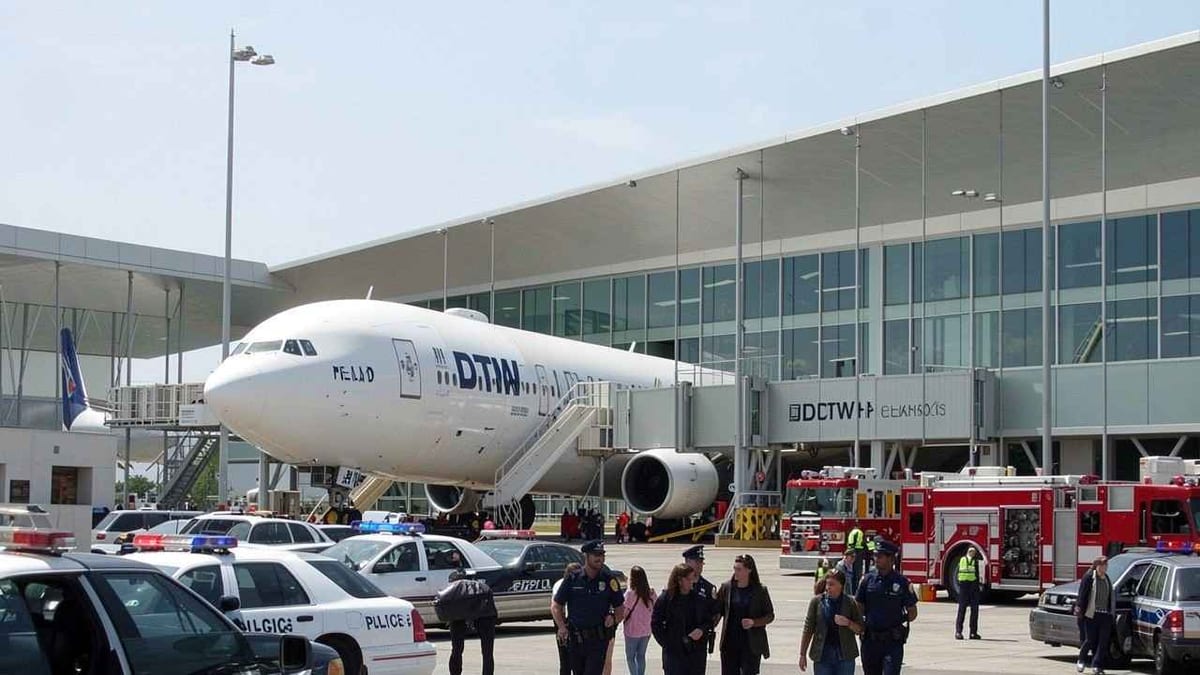
An Envoy Air Embraer 175 operating as American Eagle flight MQ4023 from Chicago O’Hare to Pensacola diverted to Montgomery Regional Airport on July 30, 2026, after the crew chose an alternate airport along the Gulf-bound route.
Get the latest news straight to your inbox!
Regional Service Interrupted En Route to Florida Gulf Coast
Publicly available flight-tracking information indicates that flight MQ4023 departed Chicago O’Hare International Airport on Wednesday, July 30, 2026, bound for Pensacola International Airport, before turning off its planned southbound track and heading toward Montgomery, Alabama. Data show the Embraer 175 descended and landed at Montgomery Regional Airport, a common diversion option for traffic operating along the central Gulf Coast corridor.
The service was operated by Envoy Air on behalf of American Airlines under the American Eagle brand, using a 76-seat Embraer E175 regional jet. The aircraft type is routinely used on medium-haul routes linking major airline hubs such as Chicago O’Hare with smaller coastal markets, including Pensacola on Florida’s panhandle.
While detailed cause information was not immediately available from public sources at the time of writing, the diversion followed a pattern seen on other domestic flights in which aircraft reroute for reasons such as weather, minor technical issues, or passenger-related concerns. Flight-tracking timelines showed the Montgomery stop occurring late in the scheduled sector rather than shortly after departure.
Montgomery Regional Airport’s Role as a Diversion Field
Montgomery Regional Airport serves as a secondary option for several carriers operating along north–south routes between the Midwest and Gulf Coast. The airfield’s runway length and instrument-approach facilities allow it to accommodate large regional jets such as the Embraer 175, as well as mainline narrowbody aircraft.
Operationally, airports like Montgomery provide airlines with an alternative when conditions at planned destinations deteriorate or when unplanned events arise on board. Dispatchers typically weigh factors that include runway performance limits, available ground handling, maintenance support, and crew duty time when determining where a flight should divert.
In this case, Montgomery’s location inland from the Gulf of Mexico positioned it as a practical option for an aircraft originally heading to Pensacola, particularly during the mid-summer period when convective weather, low visibility, or localized surface disruptions can affect coastal airports in the southeastern United States.
Standard Procedures When Flights Divert
Although individual cases differ, U.S. airline diversions usually follow well-established procedures. Once a crew decides to proceed to an alternate airport, flight plans are updated and air traffic control provides vectors to the new field. Cabin service is typically secured early in the descent while crews carry out additional checklists associated with off-schedule operations.
Upon arrival at the diversion airport, passengers may either remain on board while the situation is evaluated or disembark if the stop is expected to be extended. Publicly available information for the July 30 Envoy Air flight suggests the event was contained on the ground in Montgomery, with the aircraft landing uneventfully and coming to a normal taxi and parking sequence.
Operational data for comparable events on other carriers show that, in many cases, flights are refueled and either continue to their original destination if circumstances permit, or are terminated with passengers reaccommodated on later services. Outcomes depend on aircraft status, crew duty limits, and the nature of the disruption that prompted the diversion.
Embraer 175’s Role in American Eagle’s Network
The Embraer 175 has become a workhorse in the American Eagle regional network, offering two-class seating and performance characteristics suited to mid-continent routes of roughly one to three hours. The type’s ability to operate from a wide range of airports, including mid-sized facilities like Montgomery and Pensacola, allows carriers such as Envoy Air to maintain flexibility when conditions change en route.
Network schedules published by regional operators show E175s connecting major hubs like Chicago O’Hare with dozens of small and medium markets throughout the Midwest and Southeast. That hub-and-spoke design means that a single diversion can have knock-on effects for later segments if aircraft and crews are not able to return to their planned rotations on time.
Aviation-industry analyses of regional jet operations note that while diversions carry direct costs for airlines, the use of modern regional aircraft can mitigate some impacts through quicker turnaround times and the ability to reposition aircraft efficiently once a situation is resolved.
Passenger Disruption and Broader Summer Travel Context
For travelers on MQ4023, the diversion to Montgomery introduced an unplanned interruption on a relatively short domestic sector between the Midwest and Florida’s Gulf Coast. Passengers on similar events typically experience extended time on board, missed onward connections, or late-night arrivals if the flight continues after the irregular operation is addressed.
The July 30 diversion came during the peak of the U.S. summer travel period, when airline networks are operating close to capacity and margins for disruption can be thin. Industry data for recent seasons highlight how weather patterns across the central and eastern United States, combined with high passenger volumes, can magnify the impact of even a single off-schedule event.
In that broader context, Envoy Air’s operation of MQ4023 illustrates how regional affiliates play a central role in maintaining connectivity between major hubs and vacation destinations, while also facing the same operational pressures that have characterized recent summer travel across the country.