


More news on this day
Ongoing industrial action by aviation workers at Nairobi’s Jomo Kenyatta International Airport (JKIA) is triggering widespread disruption to Kenya Airways and other international carriers, with delays stretching beyond six hours and a growing list of rescheduled and cancelled flights.
Get the latest news straight to your inbox!
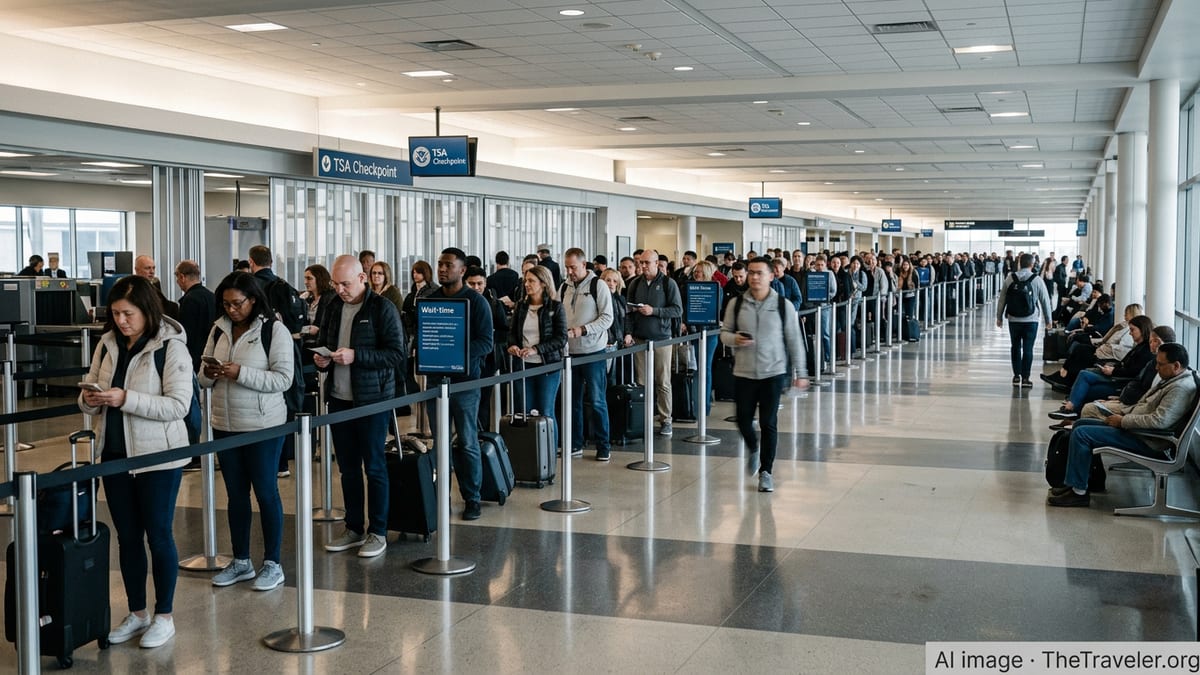
Workers’ Strike at JKIA Cascades Across Airline Schedules
Publicly available reports indicate that a go-slow and strike by aviation workers, including staff involved in air traffic control and ground operations, began affecting JKIA on Sunday, August 30, 2026. The action has slowed key airport processes such as check-in, immigration, boarding, and aircraft movements, creating long queues and extended waiting times for passengers.
Coverage from Kenyan and international outlets shows that the disruption has continued into Monday, August 31, turning JKIA’s status as East Africa’s primary hub into a regional chokepoint. With aircraft and crew out of position and departure slots tightly constrained, airlines are facing knock-on schedule impacts well beyond Nairobi, affecting connecting flights across Africa, the Middle East, Europe, and North America.
Kenya Airports Authority advisories have urged travelers to verify their flight status before heading to the airport, as some departures are operating with long delays while others are being retimed or cancelled altogether. The strike has also affected other Kenyan gateways, including Mombasa’s Moi International Airport, intensifying pressure on the country’s air transport network.
Media coverage and social posts from stranded travelers highlight packed departure halls, overnight stays in terminals, and missed onward connections, underscoring how quickly localized industrial action can ripple through global airline systems.
Kenya Airways: Long Delays, Cancellations and Schedule Rebuild
Kenya Airways, which uses JKIA as its main hub, has issued successive customer updates detailing significant disruption to its network. An advisory published on August 30 reported average delays of two to three hours on departures into and out of Nairobi, attributing the disruption to operational constraints within air traffic control services. By August 31, separate media reports indicated that delays on some services had stretched to more than six hours.
According to information on the airline’s operating flights update page, Kenya Airways has been forced to adjust departure and arrival times across a range of routes, including regional African services and long-haul sectors to Europe. While many flights are still operating, they are doing so well behind schedule, and the carrier acknowledges that some flights have been rescheduled or cancelled as it works through a growing backlog.
Publicly available statements emphasize that the airline is proactively contacting affected customers with rebooking options and advising passengers to monitor their reservations through the Kenya Airways website or mobile app. Travelers holding tickets for Nairobi departures have been asked to avoid heading to the airport until they receive confirmation that their flight is expected to operate.
News reports and traveler accounts suggest that disruptions are particularly acute for itineraries involving tight connections in Nairobi, such as journeys linking East African regional flights with long-haul services to Europe, the Middle East, and North America. Missed connections are leading to forced overnight stays, re-routings via alternative hubs, and competition for limited remaining seats on later departures.
International Airlines Also Forced to Delay, Divert and Cancel
The disruption is not limited to the Kenyan flag carrier. Coverage from local media and regional news services indicates that several foreign airlines operating into JKIA have been hit by extended ground holds, delayed turnarounds, and last-minute schedule changes as they respond to restricted airport capacity and staffing shortages.
JKIA’s role as a key connecting point in East Africa means that carriers such as Qatar Airways, Emirates, Ethiopian Airlines, RwandAir, and others face knock-on impacts whenever Nairobi operations slow. While each airline is issuing its own updates directly to passengers through digital channels, publicly available reporting describes patterns of delayed inbound services from Gulf and African hubs, retimed departures from Nairobi, and, in some cases, flight cancellations when crew duty limits or missed slots make same-day operations impossible.
Reports also note that international airlines are coordinating with ground handlers and airport authorities to prioritize certain departures, such as long-haul overnight flights that feed larger global networks. However, with workers’ industrial action affecting multiple elements of the airport operation simultaneously, the capacity to recover schedules has remained limited.
Travelers connecting in Nairobi from safari destinations or regional business centers are among those most affected, as a delay on a short feeder leg can quickly lead to missed long-haul flights. Online travel forums include accounts of passengers being rebooked via alternative hubs such as Addis Ababa, Doha, or Dubai when direct Nairobi connections became unworkable.
What Routes and Passengers Are Most Affected
Based on airline updates and media coverage, the most heavily affected routes appear to be those that rely on precise banked connections at JKIA. Kenya Airways’ dense regional network feeding into evening departures for Europe and overnight services to other continents has been particularly exposed to the compounded effects of delays and staffing shortages.
Flights between Nairobi and major African cities, including Addis Ababa, Kigali, Entebbe, Dar es Salaam, Lusaka, and Johannesburg, have experienced significant retimings, as have services to Indian Ocean leisure destinations that depend on tight turnaround times. When these flights depart late or arrive after their scheduled slots, downline long-haul sectors are forced to hold or, in some cases, depart without connecting passengers, leading to further schedule instability.
Long-haul services linking Nairobi with European gateways such as London, Amsterdam, and Paris, as well as flights connecting through Gulf hubs, are also reported to be affected. In several cases, passengers have described itinerary changes involving overnight delays, hotel stays, and rerouting via third countries as airlines attempt to protect onward journeys.
Travelers beginning their trips outside Kenya but relying on a Nairobi connection are advised in news reports and airline advisories to build in additional buffer time where possible, regularly check for schedule changes, and keep contact details updated within their bookings to receive real-time notifications.
What Travelers Should Do as Disruptions Continue
Air travel analysts note that recovery from a multi-day disruption of this scale can take several more days even after industrial action is resolved, as airlines reposition aircraft and crew, clear backlogs, and restore normal rotation patterns. For passengers planning to travel through JKIA in the coming days, publicly available guidance emphasizes preparation and flexibility.
Passengers are widely being encouraged to check the status of their flights directly with their airline before leaving for the airport, using official websites, mobile apps, or call centers. For Kenya Airways customers, tools such as the “Manage Booking” function are highlighted as key channels for receiving rebooking options, travel waivers, and updated departure times.
Reports further recommend that travelers build in extra transit time for connections involving JKIA, carry essential items and medications in hand luggage in case of extended waits, and ensure that accommodation and ground transport arrangements at destination can be adjusted at short notice. Those with non-refundable hotels or tours are being advised to review their travel insurance policies for disruption coverage.
With the aviation workers’ strike still ongoing as of August 31, 2026, the situation at JKIA remains fluid. Observers indicate that travelers transiting through Nairobi over the coming days should anticipate the possibility of continued delays and schedule changes, even on flights that are currently showing as confirmed.
Kenya Airways Customer Update – Flight Disruptions at JKIA
Kenya Airways Operating Flights Update – 31 August 2026
Flight Disruptions Persist at JKIA as Workers’ Strike Enters Second Day