


More news on this day
Passengers flying out of Kenya are being urged to contact their airlines before travelling to the airport, after the Kenya Airports Authority (KAA) issued a nationwide advisory warning of delays and disruptions to departing flights.
Get the latest news straight to your inbox!
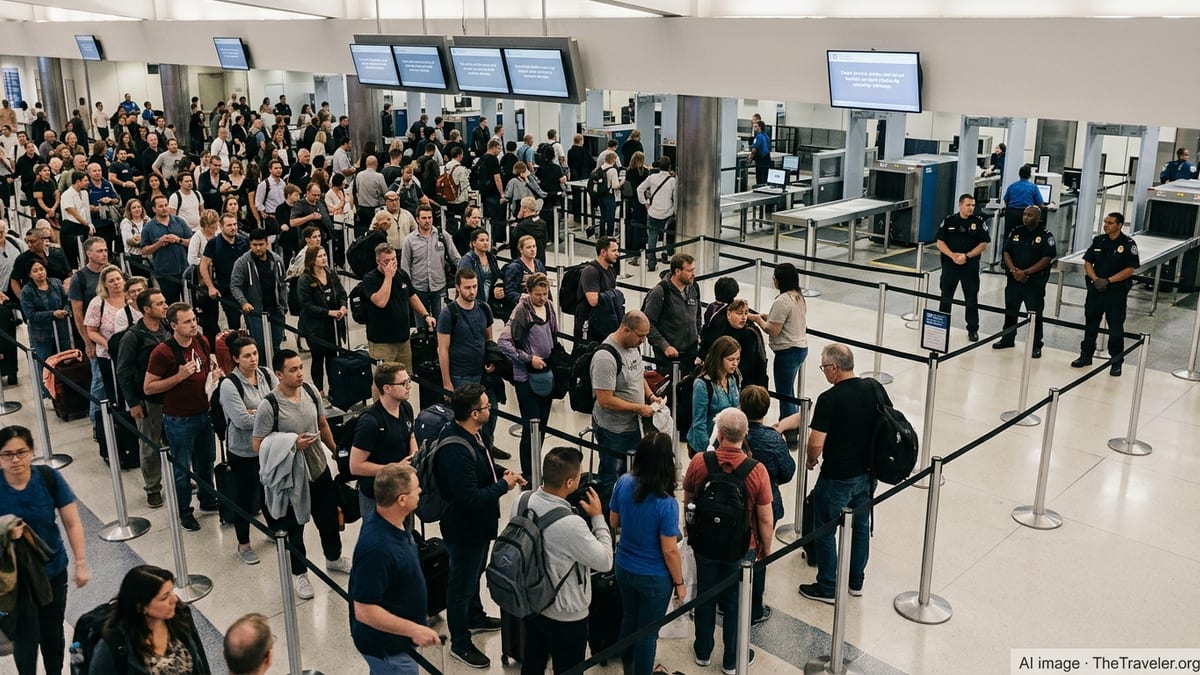
Nationwide advisory as delays hit departing flights
Publicly available statements from the Kenya Airports Authority indicate that some departing flights at Kenyan airports have been experiencing delays since Sunday, August 30, 2026, with the impact most pronounced at Nairobi’s Jomo Kenyatta International Airport (JKIA). The authority has described the situation as affecting multiple airports across the country and has framed the guidance as a precaution for all outbound passengers.
The advisory, issued on August 30 and reiterated on August 31, asks travelers to seek the latest information on their flight status directly from their airlines before setting out for the airport. Coverage by several Kenyan news outlets notes that KAA is working with aviation agencies, airlines and other airport stakeholders to keep operations running while managing the disruption.
Reports from local media further highlight that while arrivals and some departures continue to operate, irregular schedules and longer-than-usual turnaround times are leading to queues, crowded terminals and missed connections for passengers who are unaware of last-minute changes. As a result, the emphasis from the advisory is on proactive communication between travelers and their carriers.
The alert comes at the tail end of the northern summer travel period, a time when JKIA and other Kenyan airports typically handle heavier traffic volumes from international tourists, regional business travelers and returning residents. Even modest operational disruptions during such busy windows can quickly ripple across the network and amplify delays.
Industrial action and air traffic control constraints deepen disruption
Recent reporting links the current disruption in Kenya’s airspace to an ongoing industrial action by aviation workers, including staff involved in air traffic control services. On August 31, several outlets described a strike or go slow affecting operations at JKIA and other airports, with flight handling and airspace management both under strain.
Separate customer updates from Kenya Airways, the country’s flag carrier, refer to persistent delays into and out of JKIA connected to air traffic control constraints. These updates indicate that the carrier has had to reschedule and cancel certain flights while attempting to accommodate affected passengers and restore regular operations.
The combination of industrial action and ATC-related bottlenecks has reduced the system’s capacity to process normal flight volumes, especially during peak departure banks. Even when runways remain open, slower sequencing of takeoffs and landings and reduced staffing can stretch ground processes and extend turnaround times for aircraft.
Media coverage suggests that while contingency plans are in place, the pace of recovery depends on how quickly labor disputes are resolved and whether additional measures can be introduced to stabilize air traffic services. Until then, transport analysts cited in reporting expect intermittent delays and schedule changes to continue.
“Contact your airline” becomes central passenger advice
The recurring message across KAA advisories and airline updates is that passengers should contact their respective airlines for the most up to date information before heading to the airport. News reports on the authority’s statement reproduce this instruction almost verbatim, underscoring how central it has become to the current travel guidance.
Airlines maintain real time control over their schedules, aircraft rotations and passenger rebooking options, and are therefore better positioned than airport operators to confirm whether a specific flight will depart on time, be delayed, or be cancelled. Carriers can also advise on check in cut off times, boarding gate changes and eligibility for meal vouchers or accommodation when disruptions are prolonged.
Travel desks, call centers, mobile apps and official websites are being highlighted in public coverage as the primary channels for this communication. Kenya Airways, for instance, is directing customers to manage bookings online and keep contact details updated so that notifications about changes can be delivered quickly by SMS or email.
For passengers already at the airport, airline customer service counters remain a key point of contact, particularly for those needing rebooking assistance or support for missed onward connections. However, the advisory suggests that travelers who can verify their flight status before leaving home or their hotel may be able to avoid unnecessary wait times at crowded terminals.
Impact on travelers and guidance for upcoming journeys
Accounts from affected travelers, as reported in Kenyan and international media, describe hours long waits at JKIA, missed regional links and uncertainty over when normal operations will resume. Some passengers have shared experiences of overnight stays and rebooked itineraries, especially on long haul routes that depend on tight connection windows in Nairobi.
Given the evolving nature of the disruption, travel commentators in local coverage are encouraging passengers with imminent departures to monitor their flights repeatedly in the 24 hours before travel, not only once. Schedules can change more than once in a short period when airlines are trying to rebalance aircraft and crew availability across a constrained network.
Passengers planning safaris or onward trips beyond Nairobi are being advised in published reports to build extra buffer time into itineraries wherever possible, especially when coordinating with ground operators, regional flights or overland transfers. Flexibility on dates and times may also improve the chances of securing alternative arrangements if a specific departure is heavily delayed or canceled.
For those who have booked through travel agents or tour operators, experts quoted in media coverage note that these intermediaries can sometimes access additional rebooking options or consolidated information on multiple airlines. However, the ultimate authority on a given flight’s status remains the operating carrier, reinforcing the core message of the KAA advisory.
How long could disruptions last at Kenyan airports
As of August 31, 2026, there is no definitive public timeline for a full return to normal operations at JKIA and other affected airports. News outlets tracking the story report that negotiations between aviation workers and relevant authorities are ongoing, and that the scale of disruption may fluctuate depending on the progress of those talks.
Industry observers note that even after industrial action formally ends, it can take additional time for airlines to reposition aircraft and crew, clear backlogs of delayed passengers and re synchronize flight schedules. That means some knock on effects may persist for several days beyond any official resolution of the dispute.
For travelers planning to transit through Kenya in the coming days, the situation underscores the value of flexible booking conditions, comprehensive travel insurance and realistic connection times. Publicly available advice from airlines routinely recommends avoiding very short layovers during periods of operational stress, a recommendation that is especially relevant under the current circumstances.
Until a clearer picture emerges, the most actionable step for passengers remains the one highlighted in the KAA advisory and repeated across airline and media communications: confirm flight status with the operating airline, and do so as close as possible to the time of travel.
Standard Media coverage of KAA passenger advisory
Kenyans.co.ke report on KAA delay alert