


More news on this day
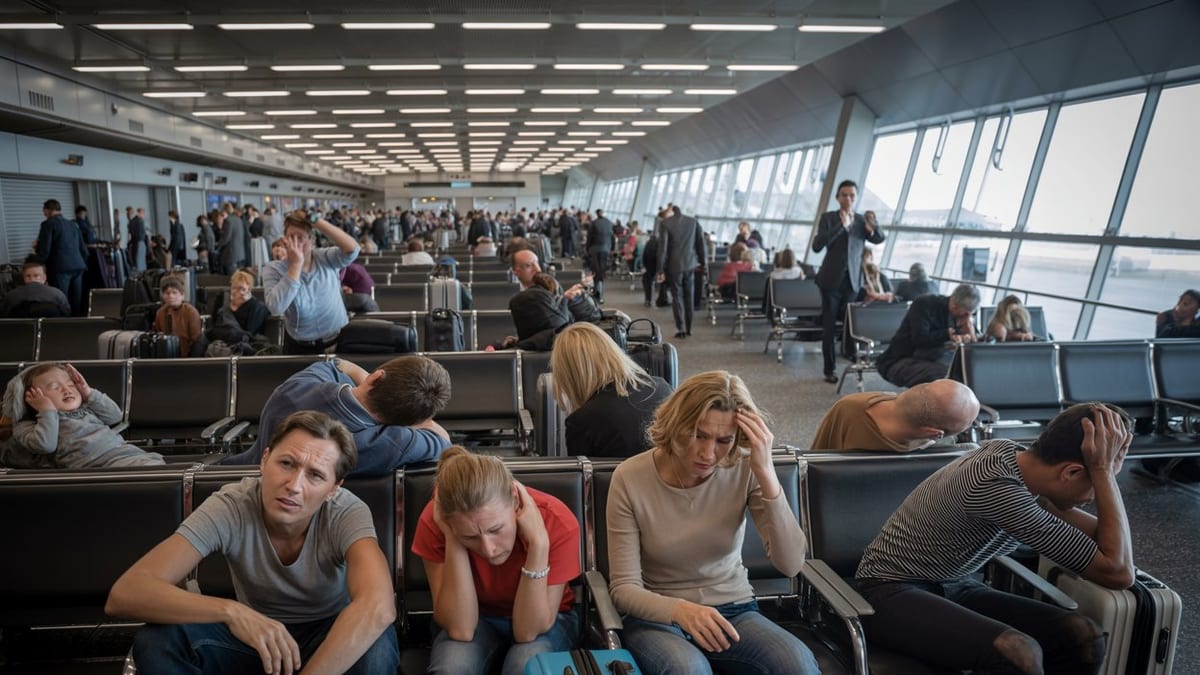
Air links between Somalia and Kenya remained suspended for a second consecutive day on August 31, leaving hundreds of passengers stranded across East Africa and deepening disruption to one of the region’s busiest short-haul corridors.
Get the latest news straight to your inbox!
Connections Between Mogadishu and Nairobi Abruptly Halted
Published coverage from regional aviation and news outlets indicates that direct flights between Somalia and Kenya, particularly on the Mogadishu–Nairobi route, have been halted since the weekend, with services still suspended on Monday. The pause affects a corridor that has grown steadily in importance for business travelers, aid workers and members of the Somali diaspora who use Nairobi as a primary hub for onward travel.
Airline advisories and airport departure boards show multiple cancellations on routes linking Mogadishu’s Aden Adde International Airport with Nairobi’s Jomo Kenyatta International Airport, alongside wider delays affecting connecting traffic across the region. The suspension follows a period of heightened operational strain in Kenya’s aviation sector, with staffing disputes and air traffic control constraints disrupting broader schedules into and out of Nairobi.
The interruption is particularly significant because options between the two countries are limited, and alternative routings through third countries increase travel time and cost. For many travelers, especially those holding non-flexible tickets or relying on regional carriers, the halt has immediately translated into unplanned nights at airports and uncertainty about when they will be able to resume their journeys.
Hundreds Stranded as Cancellations Ripple Across the Region
Reports from Kenyan and international outlets describe crowded terminals, makeshift sleeping areas and long queues at customer service desks as stranded passengers seek rebooking or refunds. Coverage of the wider disruption at Nairobi’s Jomo Kenyatta International Airport highlights travelers stuck both in Kenya and at overseas gateways who were due to connect onto Somalia-bound services through Nairobi.
Some passengers attempting to fly from hubs such as Dubai, Abu Dhabi and regional African airports into Kenya report finding their onward segments to Somalia canceled, effectively marooning them mid-journey. Publicly available information shows that the suspension has coincided with a period of industrial action and go-slows among aviation staff in Kenya, compounding the challenge of managing disrupted traffic on already stretched operations.
Local media accounts indicate that affected travelers include tourists at the tail end of safari trips, business delegations and Somali citizens traveling for medical treatment or family reasons. With hotel capacity around major airports under pressure and some airlines struggling to source accommodation or meal vouchers at short notice, many have chosen to remain inside terminals in the hope of securing an early rebooking.
Operational and Regulatory Factors Behind the Suspension
According to published coverage on recent East African aviation trends, operations on the Somalia–Kenya corridor have faced intermittent challenges over the past few years, ranging from security considerations and bilateral air services negotiations to airline-specific commercial decisions. In previous seasons, some carriers have announced temporary suspensions of Mogadishu services, citing operational and performance-related reasons tied to route viability.
The current interruption appears to be unfolding against a backdrop of wider aviation pressures in Kenya, where air traffic control constraints and an airport workers’ strike have already led to prolonged delays and ground stops on domestic and international flights. Public statements from carriers highlight average departure delays of several hours from Nairobi and note that certain routes have been temporarily withdrawn from the schedule while operations are stabilized.
Regulatory advisories for both Kenya and Somalia continue to underline complex security and infrastructure conditions around the shared border and within parts of each country. Travel guidance from foreign governments also points to evolving security assessments and highlights the importance of monitoring airline notices and official travel alerts when planning journeys that transit through Nairobi or Mogadishu.
Impact on Trade, Humanitarian Work and Diaspora Travel
The suspension of flights is resonating far beyond holidaymakers and short-term visitors. Trade analysts and regional commentators note that the Nairobi–Mogadishu air bridge serves as a critical channel for fast-moving goods, business negotiations and financial services linking Somali markets to Kenyan banking and logistics hubs. Any prolonged disruption risks slowing deal-making and complicating just-in-time deliveries that rely on passenger and belly-hold cargo capacity.
Humanitarian organizations working in Somalia also typically route staff and some essential supplies through Nairobi, using frequent short-haul flights to maintain field rotations. While many large agencies build contingency time into their travel plans, an extended halt forces rescheduling of missions, delays in staff handovers and in some cases higher costs for detours via third countries.
For the sizeable Somali diaspora that shuttles regularly between East Africa, the Gulf and Europe, Nairobi remains a key interchange point. Flight suspensions on the Somalia–Kenya leg create knock-on complications for multi-stop itineraries, especially where passengers are tied to non-changeable tickets or have limited visa flexibility to leave transit zones while they wait for alternative connections.
Travelers Advised to Monitor Airline Alerts and Check Alternatives
Travel advisories from governments and airlines urge passengers with imminent trips between Somalia and Kenya to check their flight status frequently, even if tickets appear confirmed. Given the combination of suspended routes and broader schedule disruption in Kenya, same-day changes are possible and in some cases likely.
Industry experts recommend that affected travelers contact their airline or booking agent digitally rather than queuing at airport counters where possible, to secure earlier rebooking options or refunds. Flexible tickets, travel insurance with disruption coverage and route options through nearby hubs such as Addis Ababa or Kilimanjaro may provide limited alternatives for those who cannot delay travel.
For now, publicly available information suggests that it remains unclear how long the suspension of flights between Somalia and Kenya will last. Travelers planning to use the corridor in the coming days are being encouraged to build extra time into their itineraries, keep close track of airline bulletins and remain prepared for short-notice schedule adjustments as carriers and authorities work to normalize operations.
Sources: Uzalendo News; Citizen Digital; Deutsche Welle; Kenya Airways customer update