


More news on this day
Kenya’s government has issued a public apology after a strike by aviation workers at Nairobi’s Jomo Kenyatta International Airport (JKIA) triggered widespread flight delays and cancellations, stranding hundreds of travellers at the country’s main international gateway.
Get the latest news straight to your inbox!
Government issues apology as strike enters second day
Publicly available information from multiple Kenyan outlets shows that senior government figures have apologised for the disruption caused by the ongoing aviation workers’ strike at JKIA, stressing the impact on passengers, airlines and airport businesses. The industrial action, led by the Kenya Aviation Workers Union (KAWU), began on Sunday 30 August 2026 and continued into Monday 31 August, affecting operations at JKIA and other key airports.
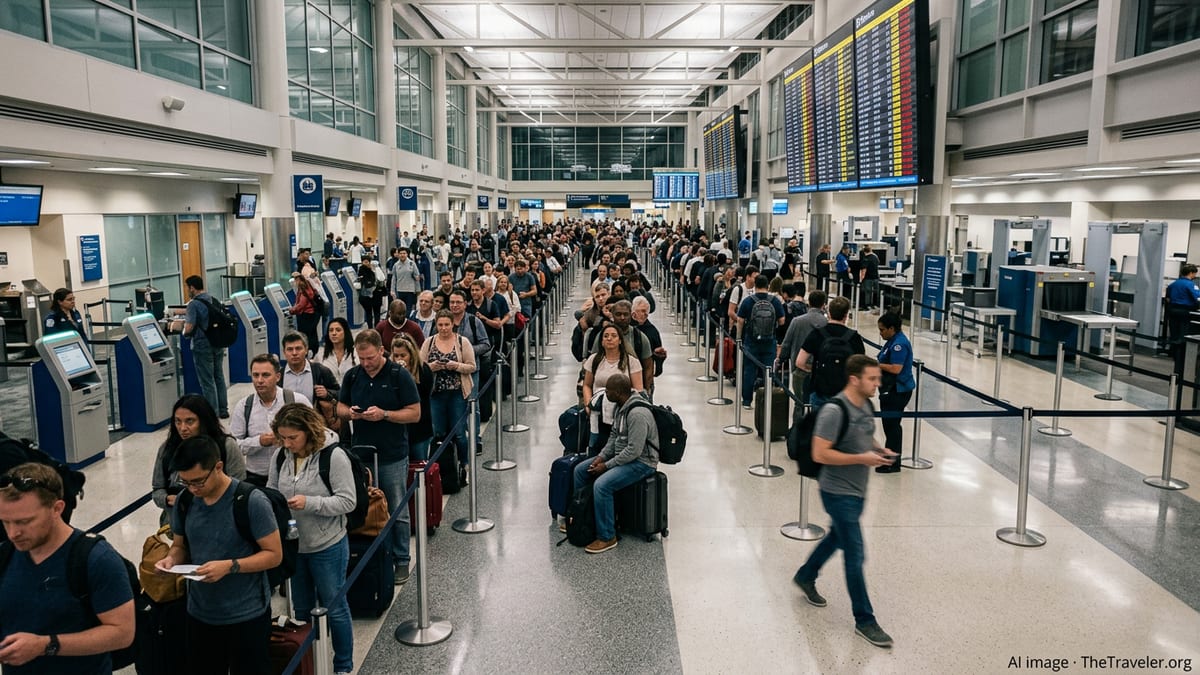
Coverage indicates that the government has acknowledged the scale of the disruption, which has seen long queues, crowded terminals and frustrated travellers unable to board or rebook flights. Officials have framed the situation as a priority issue for the administration and have pledged that restoring normal service at JKIA is a matter of urgency.
Reports also note that the strike has unfolded at a time when Nairobi is positioning itself as a regional aviation hub, amplifying concern about the damage to Kenya’s reputation among international carriers and inbound tourists. The government apology is being widely interpreted as an attempt to reassure both domestic and foreign travellers that authorities are actively engaged in finding a resolution.
Data from recent travel advisories and airport updates suggests that the disruption has affected not only departing and arriving flights but also connecting itineraries across East and Central Africa, as JKIA serves as a critical transfer point for regional and long-haul routes.
Passengers face long delays, cancellations and safety checks
Airline statements and airport operator notices describe extensive delays, with Kenya Airways and other carriers warning of wait times of more than six hours for some services into and out of JKIA. Passenger accounts published on news sites and social media recount overnight waits in terminal buildings, missed onward connections and uncertainty over when flights will depart.
Operational updates from Kenya Airways on 30 and 31 August indicate that the carrier has been forced to cancel or reschedule multiple flights while working through a mounting backlog. Travellers are being advised to check flight status before heading to the airport and to expect schedule changes as airlines adjust to limited staffing and constrained air traffic control capacity.
Information released by the Kenya Airports Authority (KAA) notes that air traffic control and other critical support functions have been affected by the dispute, prompting airlines to prioritise safety and regulatory compliance even at the cost of significant disruption. This has included spacing out departures and arrivals, re-routing aircraft and, in some cases, diverting flights to alternative airports.
Images and descriptions from local coverage show passengers queueing at check-in counters, packed waiting areas and information screens filled with delayed or cancelled notices. Travel industry observers point out that the knock-on effects are being felt across the tourism sector, with tour operators, hotels and safari camps reporting last-minute cancellations and late arrivals.
Union demands spotlight pay, conditions and sector reforms
Reports on the KAWU-led industrial action explain that the strike stems from long-running grievances over pay, benefits and working conditions for aviation staff, including ground handlers, air traffic controllers and support personnel. The union has accused employers and relevant agencies of failing to honour previous agreements and of moving too slowly on promised reforms.
Previous strike notices and official documents show that aviation unions have repeatedly raised concerns about staffing levels, overtime, safety oversight and the reliability of critical infrastructure. Analysts say that the latest work stoppage reflects broader tensions in Kenya’s aviation sector, where rapid growth in passenger numbers has not always been matched by investment in personnel and systems.
Business groups and travel associations have warned in earlier statements that recurring labour disputes at JKIA risk undermining confidence among airlines and international partners. They argue that stable industrial relations at the country’s main gateway are essential to protecting Kenya’s status as a regional transport and tourism hub.
Commentary in local media suggests that resolving the current dispute could require not only immediate concessions on pay and conditions but also a longer-term framework for dialogue between unions, employers and relevant ministries. Observers are watching closely to see whether the latest crisis prompts structural changes in how workforce issues are handled in the aviation sector.
Government promises urgent talks and accountability
According to published coverage, the government has promised urgent consultations with union leaders, aviation regulators and airport management in an effort to end the disruption. Statements from senior officials emphasise that negotiations are ongoing and that every effort is being made to reach an agreement that restores services while respecting the rights of workers.
Reports indicate that authorities are under pressure to present a clear timetable for resolving the strike and preventing a repeat of the current chaos. Travel and business groups have publicly called for stronger contingency planning at JKIA, including more robust communication with passengers when industrial disputes arise.
Several commentaries highlight that this apology marks a shift in tone from earlier instances of aviation disruption, when responses were criticised as slow or uncoordinated. Analysts suggest that the more conciliatory stance may reflect lessons learned from past strikes that caused severe knock-on effects for the tourism and trade sectors.
Public information from the Ministry of Roads and Transport on previous disputes shows that return-to-work formulas have in the past included commitments to structured dialogue, independent mediation and periodic reviews of working conditions. Travel industry stakeholders are now looking to see whether similar mechanisms will be applied swiftly in the current situation, with clear benchmarks to measure progress.
Impact on regional travel and advice for affected tourists
JKIA functions as a primary gateway to East Africa for safari travellers, business visitors and regional transit passengers, so the current strike is having effects far beyond Nairobi. Airlines have reported schedule changes across their networks as they adjust rotations, reposition aircraft and accommodate stranded passengers, potentially affecting flights to destinations in Tanzania, Uganda, Rwanda and beyond.
Tour operators quoted in local business coverage describe disrupted itineraries, including missed safari departures and postponed beach holidays at Kenya’s coastal resorts. Some companies are scrambling to arrange alternative routings through other regional hubs where possible, though capacity constraints limit the options for last-minute rebookings.
Travel advisories and airline guidance recommend that passengers with upcoming flights to or through Nairobi remain in close contact with their carriers, monitor email and SMS notifications, and avoid heading to the airport until a confirmed departure time is provided. Flexible booking policies are being applied by several airlines, allowing affected travellers to change dates or routes without penalty where seats are available.
Industry analysts note that the long-term impact on Kenya’s tourism brand will largely depend on how quickly normal operations resume and whether the government follows through on its pledge to address the underlying labour issues. A transparent resolution process and clear communication with international partners are seen as crucial to reassuring future visitors that JKIA can offer reliable connectivity.
People Daily coverage of government apology over JKIA strike
Capital FM report on apology and ongoing talks