


More news on this day
Kenya’s aviation workers have called off a disruptive strike following overnight negotiations, clearing the way for flights at Nairobi’s Jomo Kenyatta International Airport and other hubs to slowly return to normal operations.
Get the latest news straight to your inbox!
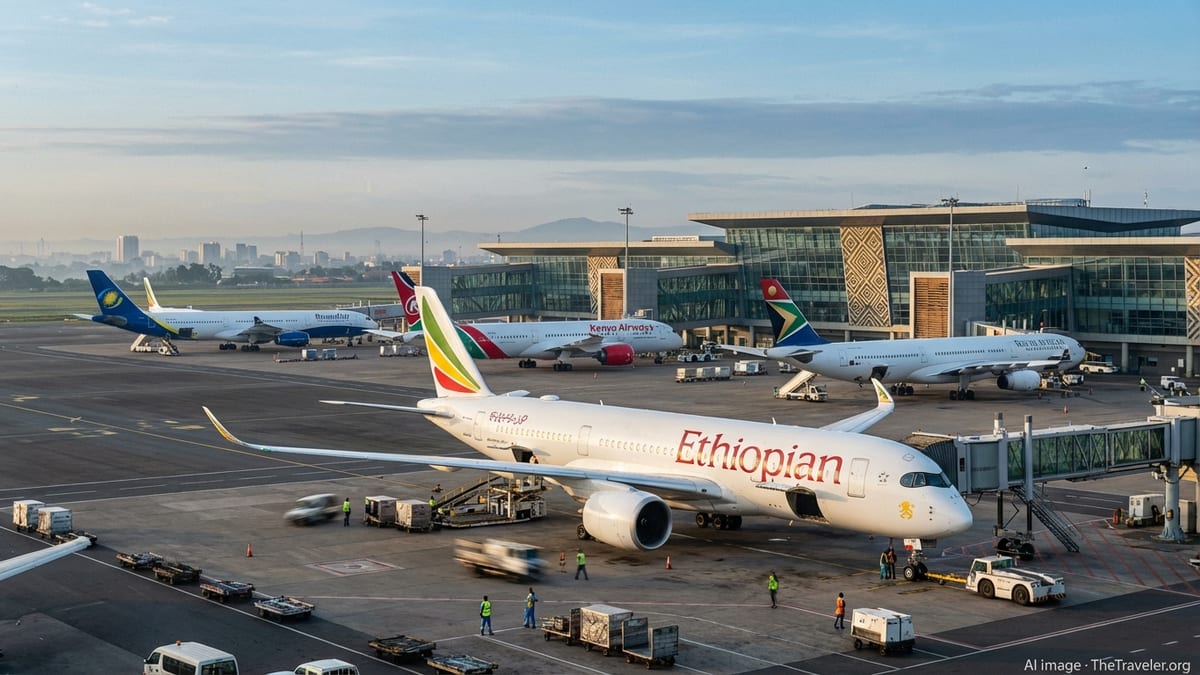
Strike ends after three days of nationwide disruption
Published coverage indicates that the Kenya Aviation Workers Union (KAWU) agreed to suspend its industrial action on Tuesday, September 1, 2026, after several days of severe disruption across the country’s main airports. The strike, which began over the weekend of August 30, resulted in widespread delays and cancellations as staff linked to air traffic control and ground handling scaled back operations.
Reports from local media describe scenes of thousands of stranded passengers at Jomo Kenyatta International Airport (JKIA) in Nairobi, with knock-on delays at other key gateways including Moi International Airport in Mombasa and regional facilities. Airlines operating through Nairobi, including Kenya Airways and low-cost carriers, were forced to trim schedules or temporarily suspend services while contingency arrangements were put in place.
News outlets in Kenya note that the industrial action followed a build-up of unresolved labour grievances, including stalled collective bargaining talks and concerns over working conditions for staff employed by the Kenya Civil Aviation Authority and the Kenya Airports Authority. The latest stoppage came just months after a shorter two-day strike in February 2026 that similarly halted flights before a mediated settlement was reached.
According to publicly available reports, the new agreement reached overnight provides for an immediate return-to-work formula and commits all parties to renewed dialogue on pay, staffing levels and recognition of the union across different aviation agencies. Union leaders have publicly urged members to resume duties while negotiations continue.
Gradual resumption of flights at JKIA and other airports
Travel alerts from airlines and airport operators suggest that operations are now restarting, but passengers should expect a gradual recovery rather than an instant return to normal. Kenya Airways, which uses JKIA as its primary hub, has advised customers that some flights remain delayed or re-timed as aircraft and crews are repositioned and backlogs are cleared.
At JKIA, which handles the bulk of Kenya’s international traffic, terminal activity has begun to pick up as check-in counters reopen and security screening and baggage handling shift back to regular staffing levels. However, aviation analysts quoted in regional outlets warn that schedule disruptions may persist for at least 24 to 48 hours as airlines work through a logjam of missed connections and rebooked passengers.
Smaller airports that experienced reduced services during the strike are also moving toward full operations. Coverage from local broadcasters indicates that domestic services linking Nairobi with coastal and upcountry destinations are among the first to be restored, in line with efforts to reconnect tourism hotspots and business centers ahead of the upcoming high season.
Travel industry observers point out that the pace of recovery will depend on how quickly air traffic control services stabilize and whether staffing gaps re-emerge in critical functions such as ramp handling, security screening and aircraft maintenance support.
Impact on travelers and regional connectivity
The work stoppage caught many passengers mid-journey, with social media posts and local news stories highlighting long queues, crowded terminals and overnight stays in airport waiting areas. Some travelers reported missing international connections after flights into or out of Nairobi were canceled or held on the tarmac for extended periods while clearance for departures and arrivals was negotiated.
For East Africa’s broader aviation network, the effects extended well beyond Kenyan borders. As a major regional hub, JKIA serves as a transfer point for routes linking Southern Africa, the Horn of Africa and parts of the Middle East and Europe. Interruptions in Nairobi therefore triggered ripple effects on partner airlines and codeshare routes, with several carriers publishing revised schedules and rebooking policies in response.
Industry commentators note that the strike highlighted the reliance of regional tourism and trade on stable airport operations in Kenya. Cargo movements were also affected as freighter departures were delayed and some perishable shipments faced extended dwell times on the ground, raising concerns among exporters of fresh produce and cut flowers.
Travel insurers and consumer advocates in the region have urged passengers affected by the disruption to carefully review the terms of their tickets, including provisions on involuntary cancellations and rerouting. In many cases, airlines have announced fee waivers or flexible rebooking windows for those whose travel plans were derailed during the industrial action.
Key labour issues still on the negotiating table
Although the strike has officially been called off, the underlying labour dispute is not yet fully resolved. Reports from Kenyan news outlets and official statements from government ministries emphasize that the return-to-work arrangement is tied to a structured dialogue process aimed at addressing deeper concerns across the aviation workforce.
Among the issues highlighted are stalled negotiations on collective bargaining agreements for employees of the Kenya Civil Aviation Authority, disputes over agency fees and representation, and questions about staffing levels relative to growing traffic at JKIA and other airports. Past court filings and previous disputes between the union and airport authorities show a pattern of recurring tensions over overtime payments, deployment, and recognition arrangements.
Observers of Kenya’s labour relations landscape suggest that the February 2026 settlement, which briefly halted an earlier strike, did not fully resolve these structural grievances, contributing to the latest walkout. The new talks are therefore expected to revisit elements of that earlier deal while incorporating updated demands arising from the increased workload and inflationary pressures affecting aviation staff.
According to publicly available information from the Ministry of Roads and Transport and other state agencies, the government has committed to a conciliatory process led by the Ministry of Labour, with participation from KAWU, the Kenya Airports Authority and the Kenya Civil Aviation Authority. The stated goal is to agree a framework that safeguards worker rights while minimizing the risk of renewed disruption in the months ahead.
What passengers should know for upcoming trips
For travelers with upcoming flights to, from or through Kenya, travel advisories recommend close monitoring of airline updates over the next several days. Kenya Airways and other carriers are publishing revised schedules and advising passengers to confirm departure times before heading to the airport, particularly for early morning and late-night departures that may still be subject to rescheduling.
Airport-focused information portals note that JKIA remains open and operational, but travelers should allow extra time for check-in and security as the system absorbs rebooked passengers and aircraft rotations settle. Those with tight international connections may wish to build in longer layovers or consider flexible tickets that can be changed without high penalties if further adjustments are made.
Travelers are also being encouraged by consumer advocates to keep records of delays, cancellations and added expenses, which may support later claims under airline policies or travel insurance coverage. Publicly available guidance from regulators and legal experts in the region indicates that compensation rules can vary depending on point of departure, operating carrier and the specific cause of disruption.
While the end of the strike marks an important step toward normalcy, industry observers stress that the situation remains fluid until the new labour discussions produce a lasting settlement. For now, the key message for travelers is to stay informed, remain flexible and check official airline and airport channels frequently as Kenya’s aviation system works to put days of disruption behind it.
Kenyans.co.ke: Aviation workers call off strike after three days of disruptions
KBC: Flight disruptions persist at JKIA as aviation workers’ strike enters second day
Ministry of Roads and Transport: Industrial action resolved at JKIA