


More news on this day
Kenya’s aviation workers have called off a disruptive two-day strike that severely affected air travel at Nairobi’s Jomo Kenyatta International Airport and other hubs, allowing airlines to begin restoring normal flight operations.
Get the latest news straight to your inbox!
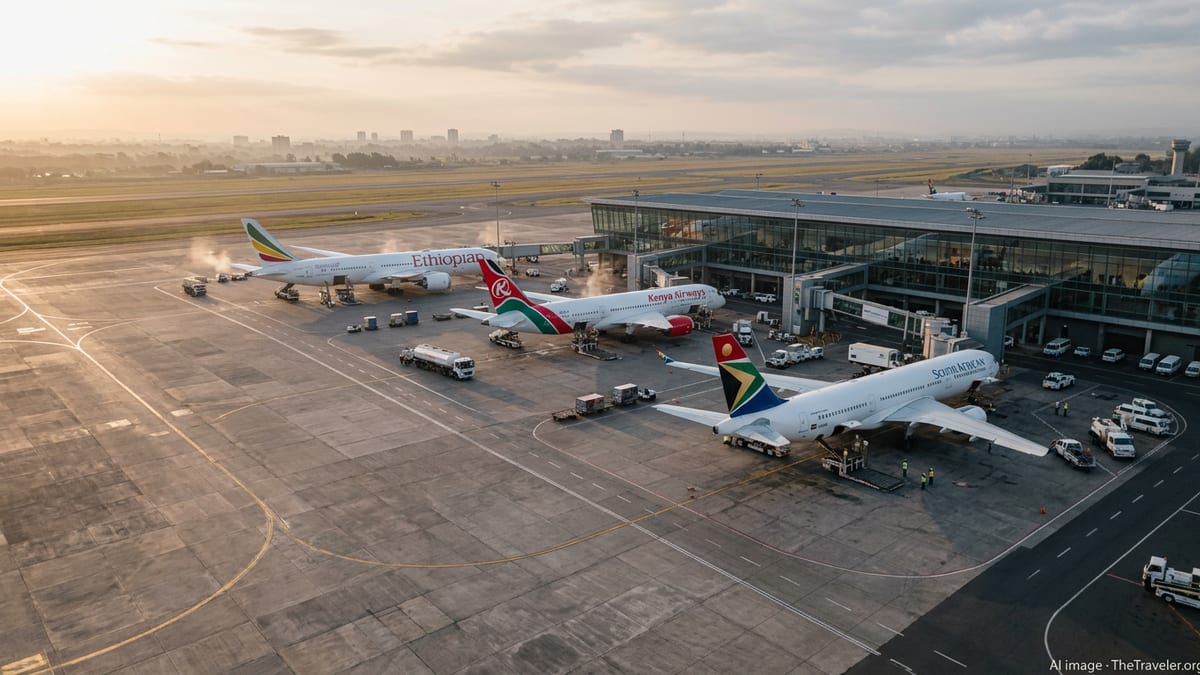
Strike ends after talks, opening way for normal operations
According to published coverage, the Kenya Aviation Workers Union ended its latest industrial action on September 1, 2026, following negotiations involving government transport officials and aviation agencies. The strike, driven largely by air traffic control and airport operations staff, had brought significant delays and cancellations across Kenya’s busiest gateways.
Reports indicate that the walkout began on August 30 and intensified through August 31, paralyzing movements at Jomo Kenyatta International Airport in Nairobi, a major regional hub that handles millions of passengers and serves as Kenya Airways’ primary base. Local media described hours-long queues, crowded terminals, and passengers forced to sleep at the airport as airlines struggled to adjust schedules.
Coverage from regional and international outlets notes that the strike followed long-running grievances over pay, staffing levels, and delays in concluding collective bargaining agreements with aviation regulators. The decision to suspend the action on Tuesday opened the way for a phased resumption of services, although residual disruption is expected to persist for several days.
Publicly available information from the Ministry of Roads and Transport in earlier industrial disputes indicates that similar strikes in February 2026 lasted about two days before a return-to-work formula was agreed. Observers suggest that experience shaped the latest negotiations, with both sides keen to limit the economic fallout of prolonged airport closures.
JKIA and regional airports work through backlogs
Jomo Kenyatta International Airport bore the brunt of the stoppage, but ripple effects stretched across Kenya’s domestic network and into neighbouring countries. Flight data and news images showed long lines at check-in and security as airlines consolidated services and rebooked passengers. Connections to regional capitals and safari gateways were particularly affected, with travelers facing missed tours and onward itineraries.
Kenya Airways, which uses JKIA as its main hub, issued multiple travel alerts over the last 48 hours detailing cancellations, severe delays of two to three hours or more, and flexible rebooking and refund options for affected passengers. The carrier advised travelers to verify their flight status before heading to the airport and highlighted waivers on change and no-show penalties during the disruption period.
Operations at secondary airports, including key coastal and safari entry points, were also constrained as staff aligned with the aviation workers union participated in the action or adopted a go-slow. According to local reporting, some regional flights operated with skeleton services or were rerouted through alternative airports to manage congestion.
With the strike now suspended, airlines and airport authorities are focusing on clearing stranded travelers and repositioning aircraft and crews. Industry analysts expect schedules to remain fragile in the short term as carriers rebuild rotations, particularly on high-demand regional and long-haul routes that rely on tight connections through Nairobi.
Union demands and recurring labour tensions
Reports from Kenyan media trace the latest strike to unresolved disputes between the Kenya Aviation Workers Union and agencies such as the Kenya Airports Authority and the Kenya Civil Aviation Authority. Union representatives have repeatedly raised concerns about staffing levels in critical operations, overtime, and the pace of negotiations over a comprehensive collective bargaining agreement.
In July 2026, the union had already threatened a nationwide walkout before suspending planned action after reaching a framework agreement with the government and key aviation stakeholders. That deal was meant to provide a structured timetable for addressing grievances, but subsequent coverage indicates that workers felt progress was too slow, setting the stage for the renewed stoppage at the end of August.
Labour disputes in Kenya’s aviation sector are not new. A previous strike in February 2026 disrupted flights for roughly two days before a deal was reached and operations resumed. Court filings and ministry statements from that period show a pattern of last-minute negotiations, temporary suspension of industrial action, and commitments to further talks that sometimes fall behind schedule.
Analysts following the sector note that recurring disruptions risk undermining Kenya’s positioning as an East African aviation hub. While each strike has eventually been resolved, the frequency of near-miss or short-lived stoppages has raised concerns among tour operators and airlines that depend on reliable connectivity through Nairobi for regional itineraries and long-haul connections.
Impact on travelers and Kenya’s tourism economy
The two-day strike hit at a time when Kenya is seeking to consolidate a recovery in international tourism and business travel. Reports from international outlets showed stranded tourists and business passengers at JKIA, many of whom missed safaris, conferences, and onward flights to Europe, the Middle East, and North America.
Travel forums and social media posts from the last 48 hours describe passengers scrambling to secure alternative flights, sometimes at significant extra cost, or extending hotel stays while they waited for clarity on departures. For visitors on tight itineraries, even short delays in Nairobi translated into lost nights in safari lodges or missed regional connections to destinations such as Zanzibar, Kigali, or Entebbe.
Tourism operators and hospitality businesses, already sensitive to seasonal swings and global economic conditions, are closely watching how quickly flight schedules normalize. While individual disruptions may be short-lived, repeated headlines about airport strikes can influence traveler perceptions and booking decisions, particularly for first-time visitors choosing between competing East African gateways.
Industry observers note that Kenya’s broader economy is also exposed when airport operations stall. JKIA is not only a passenger hub but also a major cargo gateway for horticultural exports and time-sensitive freight. Any prolonged disruption can affect exporters, supply chains, and the reputation of Nairobi as a reliable logistics centre.
What passengers should know as services restart
As flights gradually resume, airlines are urging passengers to monitor official channels for updates and to assume that some delays will continue while backlogs are cleared. Kenya Airways’ most recent travel alerts highlight that customers whose flights were cancelled or heavily delayed during the strike may be eligible for free date changes within a defined window, subject to available seats.
Travel experts recommend that affected passengers keep documentation of cancellations and delays, including booking confirmations and any written communication from airlines, in case they need to pursue refunds or make insurance claims. Where itineraries were booked through travel agents or tour operators, those intermediaries may be able to rework routes or accommodation arrangements more efficiently than individual travelers working directly with airlines.
For upcoming visitors to Kenya, publicly available guidance suggests building additional buffer time into itineraries that rely on critical connections through Nairobi, particularly over the next few days while the system stabilizes. Checking flight status regularly, updating contact details with airlines, and arriving at the airport earlier than usual can help mitigate the lingering effects of the disruption.
Sector commentary following this latest strike points to a wider discussion about long-term solutions, including more predictable engagement between unions, regulators, and airport operators, and investments in staffing and infrastructure. How those conversations unfold in the coming weeks may determine whether Kenya’s aviation network can avoid further shocks as it competes with regional rivals for traffic and tourism.
Associated Press: Kenya aviation workers end strike that disrupted flights
Kenya Airways: Travel alerts and disruption updates
Kenya Ministry of Roads and Transport: Industrial action resolved at JKIA
Nation Africa: Flights disrupted at JKIA as aviation workers resume strike