


More news on this day
In Cambodia’s little known Koh Sdach archipelago, the small island of Koh Samit is drawing fresh attention as conservation reports highlight its potential for vibrant coral reef tourism during the country’s so‑called green season from May to October.
Get the latest news straight to your inbox!
Emerging Coral Destination in the Koh Sdach Archipelago
Koh Samit lies off Cambodia’s southwest coast in the Gulf of Thailand, within the Koh Sdach island group that sits between the mainland and the maritime border with Thailand. While neighboring islands such as Koh Rong and Koh Rong Sanloem have become established names on the regional backpacker circuit, Koh Samit has remained a relatively quiet outpost, more familiar to marine researchers than mainstream travelers.
Scientific publications on Cambodian marine ecosystems note that Koh Samit, in particular, could benefit significantly from targeted conservation activity, citing its coral and seagrass habitats as under pressure yet still retaining recovery potential. These assessments have placed the island on the radar of NGOs and tourism planners who view intact reef systems as a foundation for low impact, experience driven travel.
At the same time, Cambodia has been moving to formalize protections in nearby waters, including marine fisheries management areas and national park status for parts of the Koh Rong archipelago. Observers suggest that Koh Samit and the Koh Sdach islands could become the next focus of similar zoning efforts as authorities and conservation organizations look to extend reef protection and channel tourism growth into smaller island communities.
Green Season Brings Lush Backdrop and Quieter Reefs
Travel operators active in Cambodia describe the May to October monsoon period as the green season, when short tropical downpours alternate with clear intervals and island landscapes turn a deep shade of jungle green. While some coastal destinations see a downturn in visitors during these months, the pattern in parts of the Gulf of Thailand is more nuanced, with many days still suitable for snorkeling and diving.
Destination marketing materials for Cambodian islands emphasize that underwater life can be particularly active during the wet months, with plankton blooms feeding dense schools of reef fish and supporting encounters with species such as seahorses, crustaceans and nudibranchs. For Koh Samit, this seasonal rhythm presents an opportunity to position its reefs as a year round draw rather than a strictly dry season destination.
Reports from regional tour planners indicate that boat services in the broader Koh Sdach area typically continue to operate through the monsoon, adjusting schedules around local weather. On calmer days, the combination of saturated green hillsides, dramatic cloud formations and fewer crowds can be attractive to travelers looking for quieter snorkeling and diving grounds, especially those willing to trade guaranteed blue skies for a more atmospheric setting.
Snorkeling and Diving on a Developing Reef Circuit
Marine conservation organizations working along Cambodia’s coast describe a mosaic of coral habitats stretching from Kep and Kampot to Sihanoukville and Koh Kong, including reefs in the Koh Sdach archipelago. Although detailed, site specific mapping of Koh Samit’s underwater topography is still limited, existing surveys in nearby waters document fringing reefs, patch reefs and seagrass meadows that support a mix of hard corals, soft corals and invertebrate communities.
Regional travel guides for Cambodia’s islands highlight typical snorkeling experiences that include shallow coral gardens, long spined sea urchins and coastal reef fish such as damselfish, butterflyfish and small groupers. Operators in Koh Sdach report that similar conditions can be found off several of the archipelago’s smaller islands, with snorkelers often entering the water from long tail boats in rocky bays where coral heads rise close to the surface.
Diving providers working along the Gulf of Thailand coast increasingly market multi site itineraries that combine known locations in Koh Rong Marine National Park with exploratory trips to lesser visited reefs around Koh Sdach. In this context, Koh Samit is emerging as a waypoint on a developing circuit of dive sites, appealing to visitors interested not only in underwater visibility but also in contributing to data collection and reef monitoring during their trips.
Sustainable Tourism and Community Benefits
Publicly available information from marine NGOs in Cambodia shows an ongoing effort to couple reef protection with alternative livelihoods in coastal communities, including shellfish aquaculture, seaweed farming and responsible tourism. Although much of this work has so far concentrated on Kep, Kampot and the Koh Rong area, the same organizations often identify the Koh Sdach archipelago as a priority for future expansion.
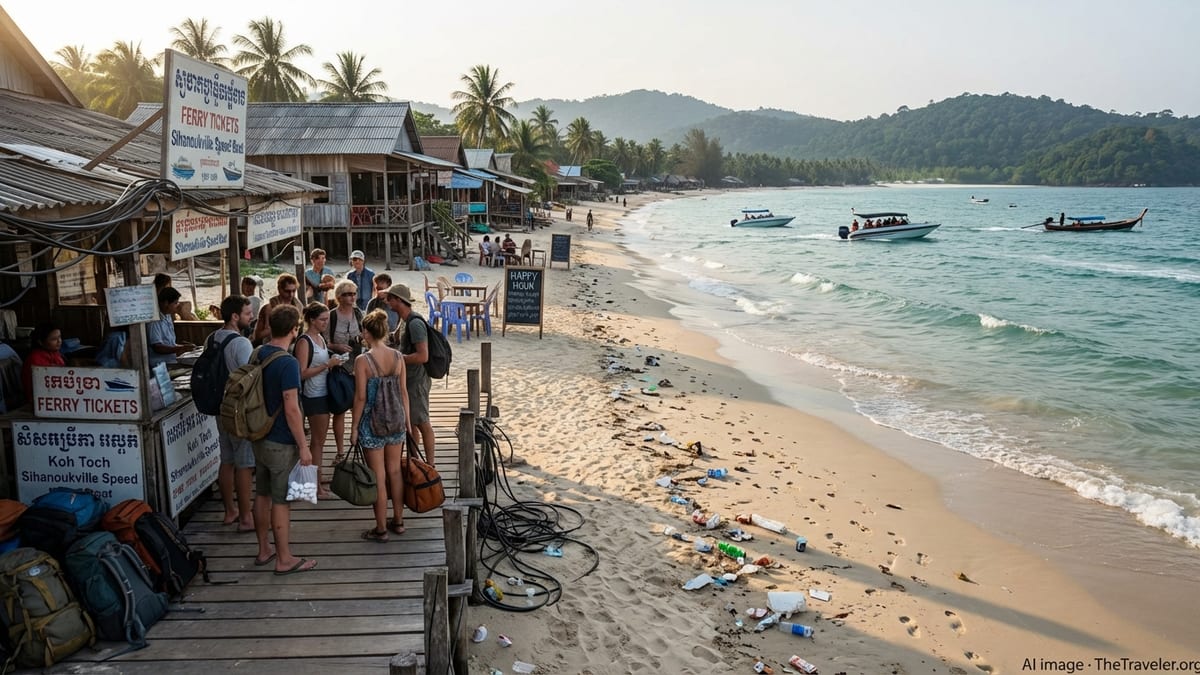
Studies on marine litter and waste management in Cambodian island destinations underline the importance of planning for tourism growth before visitor numbers surge. Lessons from larger islands point to the need for basic infrastructure such as regulated mooring, waste collection and wastewater treatment to prevent direct damage to coral from boat anchors, plastic debris and runoff.
For Koh Samit, proposals discussed in conservation and development forums include small scale, community led tourism models that limit resort style construction and instead focus on homestays, eco bungalows and guided reef activities run by local residents. Advocates argue that such approaches can keep revenue within the island while reducing pressure on ecosystems through guest caps, designated snorkeling zones and voluntary environmental fees.
Practical Guidance for Low Impact Reef Visits
International guidelines on sustainable marine tourism, including those promoted by reef protection initiatives and environmental agencies, emphasize a set of basic practices for travelers visiting coral areas. These recommendations typically advise snorkelers and divers to maintain neutral buoyancy, avoid standing on or touching coral, keep a respectful distance from marine life and secure equipment to prevent accidental breakage of fragile structures.
Green season visitors to Koh Samit and the wider Koh Sdach archipelago are also encouraged by conservation groups to travel with reef safe sunscreen, minimize single use plastics and favor operators that follow codes of conduct for responsible diving and snorkeling. Some regional dive centers already participate in underwater cleanup days and citizen science programs in which guests can log sightings of key indicator species.
Travel information platforms suggest that those planning reef focused trips in Cambodia should check seasonal weather patterns, boat timetables and the latest conservation updates for specific islands. As Koh Samit gains visibility as a hidden gem within Cambodia’s island portfolio, the balance between discovery and preservation is expected to define how its coral reefs and coastal communities fare during the green seasons ahead.