


More news on this day
Krakow is preparing to launch a new generation of immersive audio drama walking trails, aligning itself with cities such as Florence, Lisbon and Copenhagen that are turning location-aware storytelling into a powerful cultural tourism draw.
Get the latest news straight to your inbox!
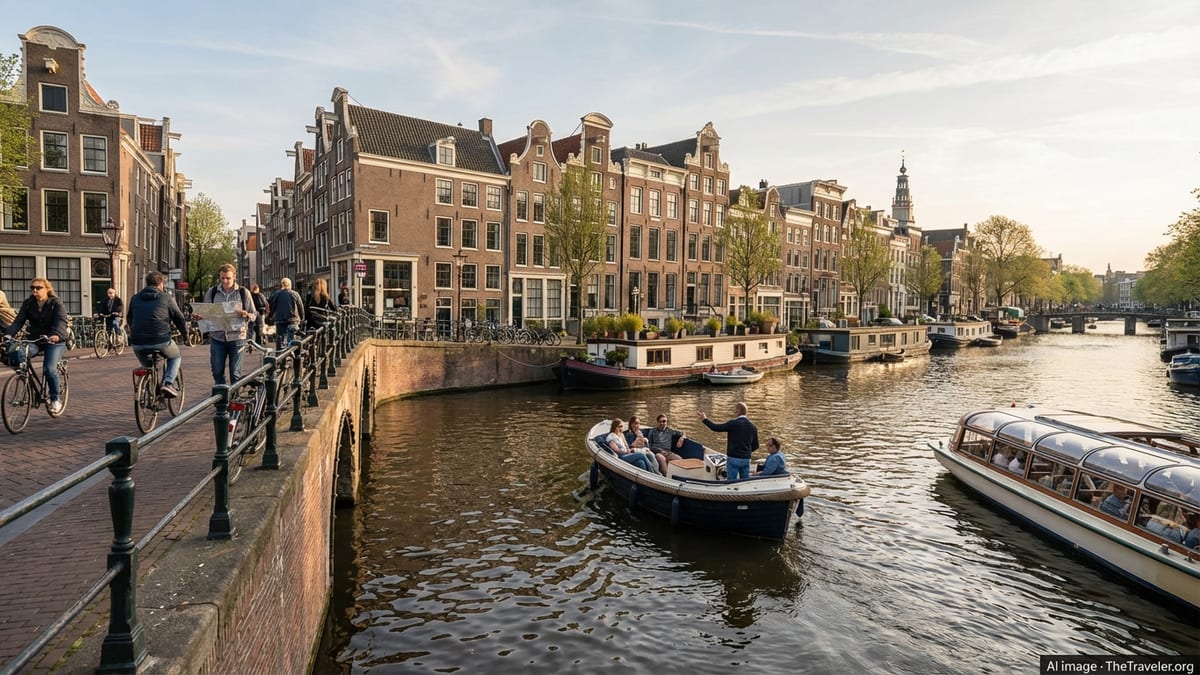
A New Chapter in Krakow’s Cultural Offer
Publicly available information from the city’s cultural agencies shows that Krakow has been expanding its digital interpretation of heritage sites, building on earlier audio-guided routes and mobile applications to promote lesser-known districts alongside its historic Old Town. The move into scripted audio drama trails is described in local cultural briefs as the next step in that strategy, shifting from factual commentary to narrative-led experiences that invite visitors to “walk inside the story.”
The new trails are expected to weave fictional plots through real streets, courtyards and riverfront paths, synchronising scenes with specific locations so that episodes unfold as visitors move through the city. Early concept materials indicate that storylines will draw on Krakow’s layered history, from medieval trade and Jewish heritage to contemporary creative scenes, using actors, sound design and music rather than traditional guide narration.
Tourism analysts note that this approach responds to growing demand for slower, more immersive city breaks in Europe, particularly among younger and repeat visitors who are familiar with standard sightseeing circuits. By encouraging independent exploration on foot and widening the geographic spread of points of interest, the trails are also framed as a tool for managing visitor flows beyond the busiest heritage squares.
Florence, Lisbon and Copenhagen as Early Adopters
Across Europe, several cities have already positioned immersive audio walks as part of their cultural tourism identity, and Florence, Lisbon and Copenhagen are frequently cited in sector reports as early adopters. In Florence, destination marketing materials highlight location-based audio stories that invite visitors to follow characters through Renaissance alleys, craft districts and riverside promenades, often outside the densest museum zones.
Lisbon’s tourism strategies similarly promote thematic audio storytelling in neighbourhoods such as Alfama and Bairro Alto, where soundscapes mix archival recordings, music and dramatized dialogue to interpret everyday life as well as monumental history. Publicly available product descriptions suggest that some of these experiences are structured like episodic dramas, with cliff-hangers tied to viewpoints or historic stairways that motivate visitors to continue walking.
Copenhagen has used immersive audio routes within broader initiatives to support sustainable and design-focused tourism. Reports on the city’s cultural programming describe audio walks that blend contemporary Nordic narratives with harbourfront redevelopment and cycling infrastructure, encouraging visitors to explore areas beyond the central amusement and shopping districts. Together, these examples provide a reference model for Krakow as it shapes its own narrative style.
How Audio Drama Trails Work on the Ground
Most of the new European audio drama trails rely on GPS-triggered storytelling, a format that has developed rapidly as smartphones and mobile data have become ubiquitous. Technology providers describe systems in which the listener’s location activates specific scenes, ambient sounds and branching dialogue, turning the city into a series of live stages that respond to how and where someone walks.
Industry case studies from projects in Ireland and the United Kingdom outline design principles that are likely to influence Krakow’s rollout. These include using three-dimensional sound to simulate proximity to characters, layering environmental recordings from the actual streets, and allowing choices at junctions that subtly alter the story. Instead of passively consuming information, visitors are encouraged to make decisions, follow clues and notice architectural or landscape details that are integrated into the plot.
European cultural tourism research also notes that such trails can be downloaded for offline use, an important feature for international travellers managing roaming costs. Multilingual versions broaden access, while accessibility features such as adjustable pacing, textual summaries and clear routing instructions help open historical storytelling to audiences who might find traditional guided tours demanding.
Transforming European Cultural Tourism
Across policy documents and academic studies, immersive digital experiences are increasingly framed as a way to connect cultural tourism with sustainability goals. Audio drama trails, which require minimal physical infrastructure and distribute visitors over time and space, are often cited as comparatively low-impact interventions that can enhance economic benefits without adding significant pressure on heritage sites.
Reports examining “immersive tourism” in Europe highlight several potential benefits: deeper visitor engagement with local narratives, stronger emotional connections to place, and extended stays as travellers seek out multiple routes or revisit districts at different times of day. For cities like Krakow that already attract high volumes of short-break tourism, shifting some attention from landmark checklists to story-driven wandering is seen as a way to rebalance the experience.
Cultural organisations also view audio drama trails as platforms for contemporary creativity. By commissioning writers, composers and sound designers to craft new narratives based on archival material and community memory, destinations can support local talent and present more diverse perspectives on history. This aligns with broader European funding priorities around inclusive storytelling and the reuse of digital heritage collections.
Krakow’s Position in a Growing Audio Storytelling Network
Krakow’s move into immersive audio drama walking trails comes as a wider ecosystem of European projects, festivals and research initiatives is forming around locative storytelling. Recent cross-border studies funded through European cultural programmes map dozens of pilots that combine mobile technology, performance, and heritage interpretation in cities and rural landscapes.
Within this context, Krakow’s networked identity as a UNESCO City of Literature and a long-established festival hub may give it particular visibility. Published programme outlines suggest that future audio drama routes could be tied to literary events, film locations or temporary exhibitions, creating seasonal content that encourages repeat visits and local participation rather than one-off consumption.
As Florence, Lisbon, Copenhagen and now Krakow continue to experiment with narrative trails, observers of European tourism policy point to a broader shift in how cities present themselves to visitors. Instead of positioning culture solely as a collection of monuments and museum collections, destinations are increasingly inviting travellers to inhabit stories that unfold in the streets themselves, with headphones acting as both stage and script.