


More news on this day
Las Vegas is moving back into the global spotlight in 2026, with newly released tourism and gaming data pointing to packed resorts, surging entertainment demand, and a broad recovery rippling across Nevada’s hospitality sector.
Get the latest news straight to your inbox!
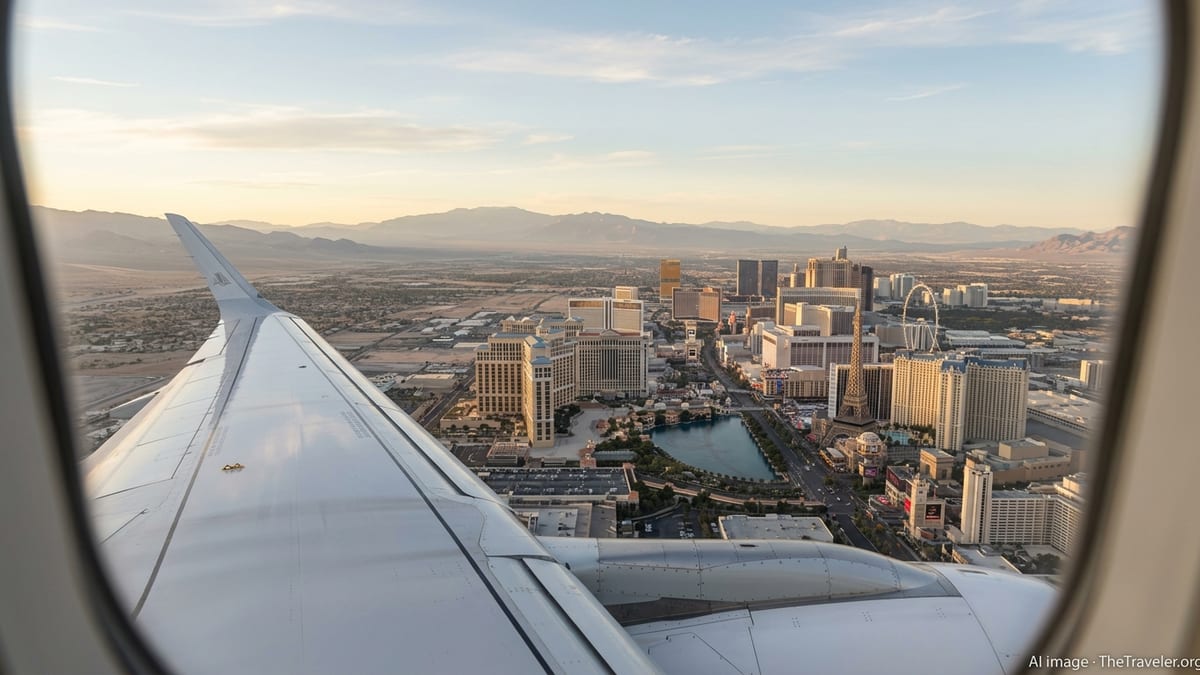
Record Gaming Wins Anchor Nevada’s Comeback
Recent figures from Nevada regulators and industry analysts show that the state’s casinos are entering 2026 on the back of several consecutive years of record or near-record gaming wins. Statewide gaming revenue for 2024 topped 15.6 billion dollars, marking the fourth straight year of record annual casino takings and providing a solid financial base for operators heading into the current year.
While the Las Vegas Strip saw modest pressure on table-game performance and net income, slot machine revenue reached new highs across many major properties. Analysts note that gaming win levels through late 2025 and early 2026 have held just below their historic peaks, even as overall visitor volumes fluctuate, underscoring how operators have been able to derive more revenue from each guest.
Industry reports indicate that Nevada’s broader network of destinations, including downtown Las Vegas, Reno and outlying Clark County areas, has also contributed to sustained strength in statewide numbers. This diversified gaming geography has helped cushion any softness on the Strip itself and reinforces the picture of a statewide recovery rather than a single-corridor boom.
Observers say the resilience of gaming performance has been crucial in enabling resort companies to reinvest in new attractions, technology upgrades and large-scale events that are now drawing visitors back in greater numbers.
Visitor Demand Rebounds With Events and Entertainment
Tourism statistics compiled from Las Vegas Convention and Visitors Authority data and independent analyses show that Las Vegas visitor numbers trended lower through parts of 2024 and 2025 before turning a corner in late 2025. By early 2026, month-by-month figures suggest a steady climb from the mid-2025 trough, with leisure travelers, high-spending gamblers and entertainment seekers returning in larger volumes.
Observers point to a powerful events calendar as a central driver of this demand. The Las Vegas Grand Prix, major combat sports cards, high-profile concert residencies and touring shows have sustained strong ticket sales, while professional football and hockey keep stadiums and arenas full. Large conventions and trade shows, including technology and consumer-goods gatherings, are again filling the city’s sprawling expo facilities, even if headcounts remain slightly below earlier peaks.
On the ground, visitors report busy casino floors, long restaurant waitlists and near-capacity nightclubs at prime properties along the Strip and downtown. Weekend and holiday periods in particular continue to push room occupancy sharply higher, reinforcing perceptions that Las Vegas has reasserted its pull as a short-haul getaway and bucket-list destination.
At the same time, analysts highlight a shift in spending patterns. With some middle-market visitors cutting back on travel, operators are leaning more on premium segments, targeted marketing and dynamic pricing strategies that maximize revenue from guests who do commit to a Las Vegas trip.
Hotels, Rooms and Non-Gaming Spend Surge
Across Nevada’s major resort corridors, hotel performance indicators suggest that 2026 is shaping up as one of the most lucrative periods since before the pandemic. Industry data show that average daily room rates on the Strip remain significantly above pre-2020 levels, with many marquee properties routinely selling out premium room categories during peak conventions, festivals and sports weekends.
Although overall occupancy dipped in 2024, hoteliers have steadily rebuilt bookings and are using sophisticated revenue-management tools to capture higher yields from each stay. The combination of firm room rates and improving occupancy is pushing revenue per available room higher, even as operators contend with labor, utility and insurance costs that remain elevated.
Non-gaming revenue streams have become an increasingly important engine of growth. Food and beverage outlets, dayclubs and nightclubs, pool complexes, ticketed attractions and branded retail are collectively generating a larger share of resort income than gambling alone. Publicly available corporate filings from major casino groups show that gaming often accounts for only about a quarter of total Las Vegas resort revenue, underscoring how diversified the modern Strip economy has become.
This shift means that packed restaurants, sold-out residencies and successful experiential attractions are now as vital to the city’s financial health as a strong weekend at the baccarat tables. As 2026 unfolds, operators are continuing to debut new shows, refurbished dining concepts and immersive experiences aimed at keeping visitors engaged beyond the casino floor.
Statewide Ripple Effects Across Nevada’s Hospitality Sector
The Las Vegas upswing is having visible spillover effects across Nevada. Markets such as Reno, the Boulder Strip, Laughlin and other regional hubs have seen gaming wins edge higher alongside renewed hotel and dining demand. Analysts describe a statewide hospitality ecosystem in which visitor flows to Las Vegas often translate into additional trips to nearby destinations or extended stays that include excursions beyond the Strip.
In Reno and northern Nevada, a combination of convention activity, regional sports tourism and drive-in traffic from California is contributing to solid hotel and casino results. Closer to Las Vegas, locals-focused properties in Henderson and other communities are benefiting from population growth and increased spending by residents employed in the tourism and entertainment economy.
Tourism-related employment has been supported by the recovery, with hiring across hotels, food service, transportation and live entertainment gradually rebuilding from earlier lows. Although businesses remain cautious about cost pressures, the volume of large-scale events and the reacceleration of visitor demand are encouraging further investment in staff training, digital infrastructure and facility upgrades.
Taken together, these trends position Nevada’s hospitality and gaming industries for another year of robust performance in 2026, anchored by a resurgent Las Vegas that is once again leaning into its reputation for glittering entertainment, round-the-clock excitement and high-value visitors.
Challenges Temper a Glittering Recovery
Despite the upbeat trajectory, the recovery is not without challenges. Published analyses show that overall visitor counts remain below earlier peaks, particularly in the convention segment, where some organizations have downsized or restructured their in-person events. Inflation and higher travel costs are also prompting some potential visitors to shorten stays or reduce discretionary spending during their trips.
On the Strip, corporate earnings reports highlight pressure on profit margins, as wage growth, utility costs and interest expenses eat into the gains from elevated rates and gaming revenue. Some properties face higher capital requirements to keep pace with guest expectations for cutting-edge amenities, technology and sustainability initiatives.
There are also competitive pressures from other US and international gaming and entertainment markets that have expanded in recent years. New casinos, integrated resorts and sports-led developments in states across the country are offering alternatives to Las Vegas, forcing Nevada operators to innovate continuously to maintain market share.
Even so, industry observers describe 2026 as a pivotal year in which Las Vegas and Nevada more broadly appear to be solidifying a new, post-pandemic equilibrium. With resilient gaming performance, recalibrated visitor demand and a maturing mix of non-gaming attractions, the city’s tourism engine is again shining brightly across the desert state.