


More news on this day
Travelers moving through Los Angeles International Airport on May 10 are encountering a fresh wave of disruption, as publicly available tracking data shows United Airlines and Southwest Airlines suspending several departures and delaying others on some of the airport’s busiest domestic and international routes.
Get the latest news straight to your inbox!
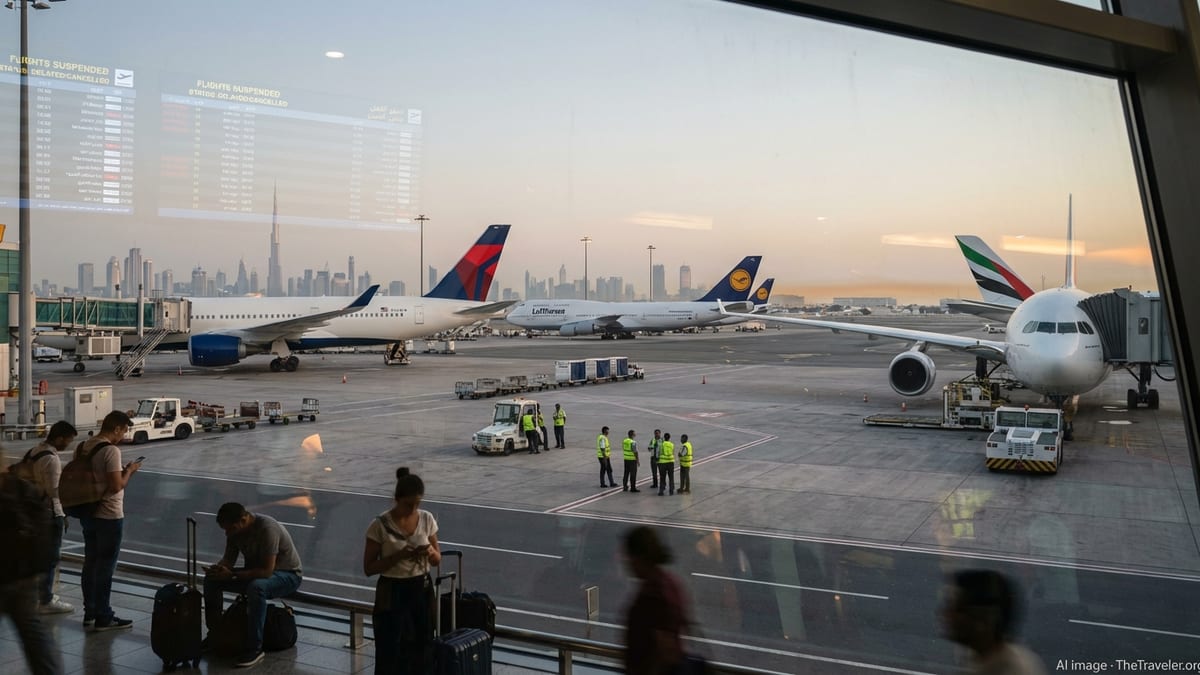
Cluster of Cancellations Hits Major Carriers at LAX
Operational data from multiple flight-tracking platforms indicates that at least four flights operated by United and Southwest have been suspended from Los Angeles International Airport, with a wider halo of delays affecting additional services. The disruptions are centered on routes that typically carry heavy leisure and business traffic, compounding congestion at one of the United States’ busiest hubs.
While Los Angeles often experiences rolling delays tied to weather, air-traffic volume, and airline scheduling pressures, the current pattern stands out because it involves both a legacy network carrier and a large low cost operator at the same time. Passengers booked through the middle of the day are reporting longer than usual waits at departure gates and frequent schedule updates as airlines reshuffle aircraft and crew.
Publicly available information shows that the irregular operations are not confined to a single terminal, with affected United flights primarily touching Terminal 7 and Southwest flights influencing operations in Terminal 1. The resulting knock-on effects include gate changes, tightened connection times, and crowding around customer-service counters as travelers seek alternative options.
Key Routes Impacted, From Fort Lauderdale to Austin and Charlotte
Among the most closely watched changes are suspensions and delays on routes that connect Los Angeles to major growth markets such as Fort Lauderdale, Austin, and Charlotte. These city pairs have seen increased demand in recent seasons as airlines expand transcontinental and Sun Belt service, meaning that any removal of capacity is quickly felt by travelers.
Routes into Texas appear to be under particular strain. Austin, which has seen rising nonstop service from both United and Southwest, is experiencing schedule disruptions that ripple beyond the single Los Angeles link, tightening availability for passengers trying to connect further into the central and eastern United States. For business travelers commuting between the two technology and creative hubs, even a small number of cancellations can translate into missed meetings and last minute itinerary changes.
On the East Coast corridor, flights between Los Angeles and the Fort Lauderdale and Charlotte regions are also affected, according to schedule snapshots and delay boards. These routes provide essential transcontinental links for South Florida and the Carolinas, especially for travelers heading toward cruise ports, regional airports, or onward international connections. Reduced service can lead to higher last minute fares, longer travel times, and a greater reliance on connecting itineraries through other hubs.
International Links to Guadalajara and Kansai Disrupted
The disruption is not limited to domestic travel. International connections to Mexico and Asia, including services involving Guadalajara and Kansai-area airports in Japan, are seeing adjustments that add uncertainty for long haul passengers. These markets rely heavily on Los Angeles as a gateway, and any suspension of nonstop flights can complicate logistics for both leisure and visiting friends and relatives traffic.
For Mexico bound travelers, changes on Los Angeles to Guadalajara routes force some passengers onto alternative flights through other Mexican or U.S. hubs, lengthening journey times. The Guadalajara corridor is frequently used by travelers with time sensitive family or business commitments, meaning same day cancellations can have outsized consequences compared with more discretionary leisure trips.
Transpacific itineraries connected through Kansai are especially vulnerable to schedule shifts originating in Los Angeles. Reports indicate that delayed departures from LAX can threaten tight onward connections in Japan, increasing the risk of unexpected overnight stays and additional expenses. With limited daily frequencies on many Asia routes, a single lost leg may translate into a full day of delay for some passengers.
Passengers Face Rebooking Challenges and Crowded Alternatives
With four flights suspended outright and several more running behind schedule, rebooking pressure is intensifying across the LAX network. Same day alternatives on United and Southwest are limited on popular city pairs, especially during peak travel windows, and neighboring carriers may only have scattered seats remaining. Travelers attempting to switch to later departures are encountering higher change costs and longer total travel times, particularly on multi segment journeys.
Publicly available schedule data suggests that some passengers are opting to route through secondary hubs when nonstop options disappear, for example connecting through Denver, Houston, or Chicago to reach East Coast and international destinations. While these workarounds keep trips viable, they can introduce additional points of failure in already stressed travel plans, as further delays or misconnected baggage remain a possibility.
Airport operations at LAX are also feeling the strain. Congested security lines, crowded boarding areas, and elevated demand for food, seating, and power outlets are common features whenever multiple flights on major carriers are disrupted at once. For those traveling with children, older relatives, or on tight schedules, the additional time spent in terminals can be particularly taxing.
What Travelers Should Watch for in the Coming Days
Scheduling patterns at LAX typically stabilize once airlines are able to reposition aircraft and crews, but the recovery period can vary depending on the cause and timing of the original disruption. Publicly available information indicates that both United and Southwest are continuing to update flight status throughout the day, suggesting that further schedule adjustments are possible as operations evolve.
Travelers booked on near term flights through Los Angeles, especially to Fort Lauderdale, Austin, Charlotte, Guadalajara, Kansai, and other long haul destinations, may face elevated risk of delay or schedule change even if their specific flight is not yet affected. Historical patterns during similar disruption events show that later departures on the same route can inherit residual delays, particularly when aircraft rotate across multiple city pairs in a single day.
Industry analysts note that LAX is entering a traditionally busy late spring and early summer period, when aircraft are already heavily utilized and spare capacity is limited. In such an environment, the suspension of even a small cluster of flights on leading carriers can reverberate across the network, shaping seat availability and pricing on seemingly unrelated routes. Travelers keeping a close eye on status updates, allowing extra connection time, and considering flexible routing may be best positioned to navigate the unfolding situation.