


More news on this day
Travelers using Liverpool John Lennon Airport on September 17 are seeing pockets of disruption across the schedule, with live flight-tracking data indicating a noticeable share of departures running behind and some arrivals also posting later-than-planned times.
Get the latest news straight to your inbox!
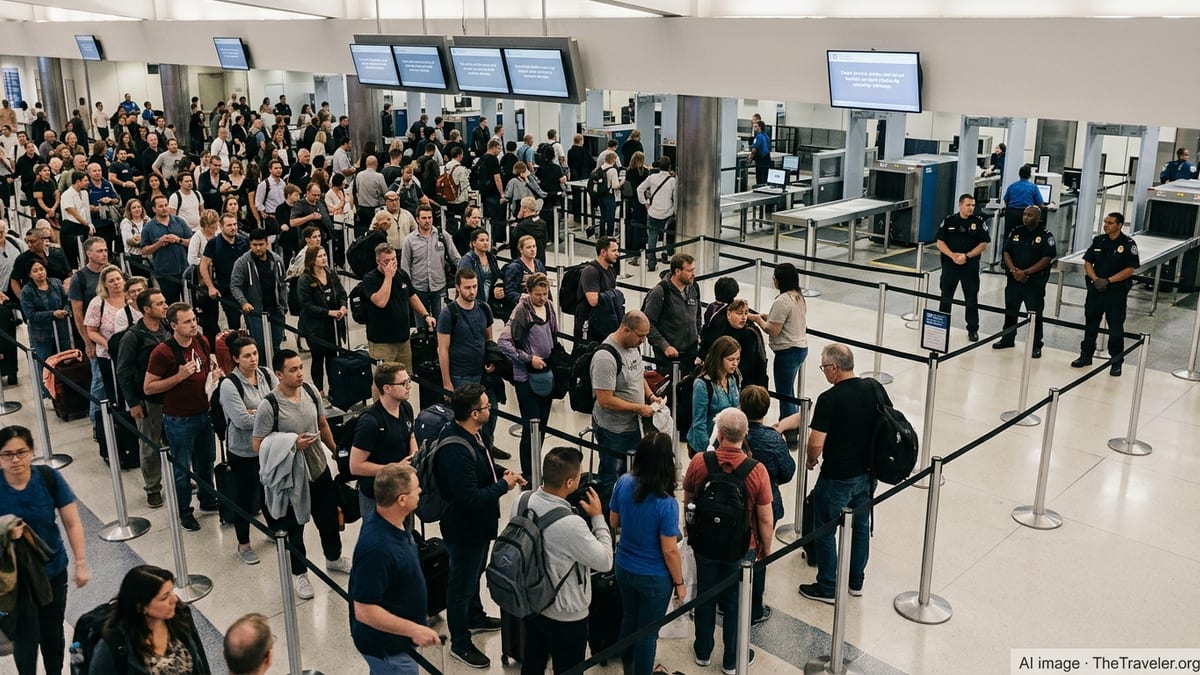
Delays snapshot for September 17 at Liverpool John Lennon Airport
Publicly available airport and flight-tracking boards show delays today at Liverpool John Lennon Airport (LPL), with disruption concentrated more heavily on departures than arrivals. Flightradar24’s airport status page for Liverpool indicates an average departure delay of about 14 minutes and a “Low” disruption index, while still flagging a meaningful number of delayed outbound flights during the day.
For inbound services, the same tracking data shows lighter disruption overall: an average arrival delay of about five minutes, with some flights showing estimated landing times later than their scheduled slots. That split is common on days where knock-on effects build through aircraft rotations, as a late inbound can push back the corresponding outbound sector.
Because live boards update frequently and sometimes vary by provider, travelers are likely to see slightly different delay figures depending on whether they check an airport-style departures display, an airline app, or a third-party tracker. For time-sensitive decisions such as when to leave for the airport, the most practical approach is to cross-check the airline’s app with a live flight-status board.
Full list of highlighted delayed departures shown on live boards
As of the most recently available departure-board information reviewed today, several Liverpool John Lennon Airport departures were explicitly marked as delayed on publicly accessible schedules. Among the evening departures shown as delayed were Ryanair flight FR5135 from Liverpool to Malaga, and Aer Lingus flight EI3197 from Liverpool to Dublin (with codeshare listings also displayed alongside it on the departures board).
In the same departures window, a number of other outbound services were displayed as on-time or en route, including departures to Malaga, Szczecin, Palma de Mallorca, Alicante, Bucharest, and multiple Dublin rotations. That mix suggests disruption is not uniform across the board, but instead affecting specific flights and aircraft pairings.
Earlier in the day, a separate live status listing also showed delays affecting some domestic and near-international services, including an easyJet service to Belfast listed with a later-than-scheduled departure time. When a short-haul flight slips, the time impact can still be significant for passengers due to security, boarding, and slot-related constraints.
Arrivals: lighter disruption, but some flights still landing late
Inbound traffic appeared less affected than departures, though not immune. Live arrival listings reviewed for Liverpool John Lennon Airport show some flights arriving later than scheduled, including services from leisure and city destinations that are key to the airport’s network.
For example, arrivals displayed in the late afternoon period included a Ryanair service from Palma de Mallorca and an easyJet service from Jersey showing estimated arrival times after their scheduled times. Additional arrivals from Milan and Antalya were also visible on the same tracking page, with “estimated” landing times that can move as flights progress and air-traffic conditions change.
Even when the overall arrival delay average stays low, individual flights can still see larger swings. Travelers meeting arriving passengers should rely on the “estimated” time, not the timetable time, and re-check close to landing because gates and bags can also be impacted by late stands.
What could be behind today’s delays and what passengers can do now
Live disruption indicators do not, on their own, provide a single cause for delays. On days like September 17, common drivers can include late inbound aircraft, air-traffic flow management affecting specific routes, operational constraints around turnarounds, or weather and wind patterns along the route rather than at Liverpool itself.
For passengers traveling today, the most important practical steps are immediate: confirm the latest “estimated” departure time in the airline’s app, watch for gate updates, and keep an eye on boarding times that can change even if the flight is delayed. Travelers should also allow extra buffer for ground access and terminal processing, since a delayed departure does not always mean a delayed boarding process.
If a delay becomes significant, passengers may see options for rebooking, travel vouchers, or refunds depending on the airline fare type and the disruption reason. For flights departing from the UK, compensation and duty-of-care rules can vary by circumstance, so travelers generally benefit from preserving receipts for essential expenses and checking airline guidance presented during the disruption workflow.
How to track Liverpool John Lennon flights through the rest of September 17
With schedules continuing into the evening, the pattern of delays can change quickly as aircraft arrive from earlier sectors. Travelers booked on late departures to destinations such as Dublin, Alicante, Malaga, Palma de Mallorca, or Bucharest should keep checking status close to the airport-arrival decision, not just hours earlier.
Public departure boards can be useful for scanning the broader picture, while flight-tracker platforms can help show whether an aircraft is inbound and on what timeline. The most dependable confirmation of whether to proceed to the gate, however, typically comes from the airline directly through app alerts and check-in messages.
For anyone traveling with checked baggage or needing special assistance, it is especially important to follow the airport and airline timelines even if the flight is delayed. A later takeoff does not always extend check-in cutoffs, and airports can still enforce bag-drop and security deadlines tied to the original schedule.