


More news on this day
Major U.S. airlines have activated urgent travel alerts for passengers in Alabama and a swath of neighboring and Midwestern states as severe weather and flooding threaten to disrupt flight operations and ground travel through the end of the week.
Get the latest news straight to your inbox!
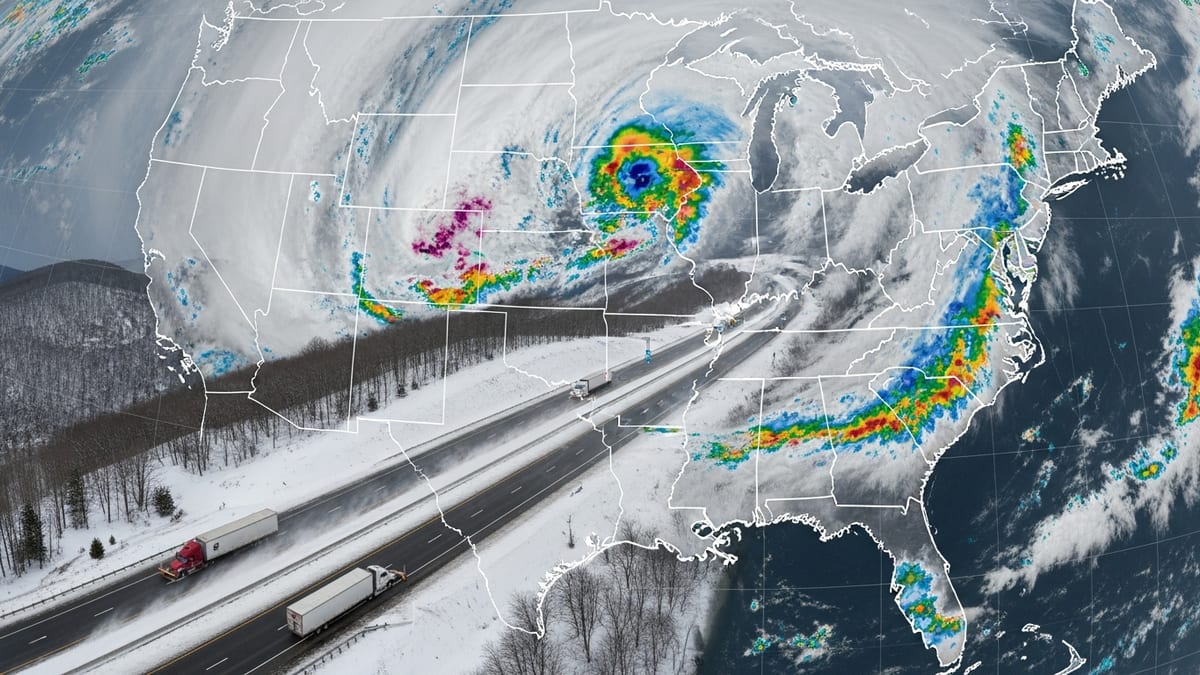
Airlines Respond to Life Threatening Flood Risk in Alabama
Publicly available information from state emergency officials in Alabama indicates a particularly dangerous flood situation through Friday, with coastal and southern counties forecast to receive between six and ten inches of rain, and localized totals potentially higher. The same system is expected to trigger flash flooding, river rises and hazardous driving conditions, prompting airlines to review schedules into Birmingham Shuttlesworth International Airport and regional fields across the state.
In anticipation of the severe conditions, major carriers have begun issuing flexible travel alerts that allow affected customers to rebook without change fees, or to postpone trips entirely. While each airline structures its waivers differently, the general pattern allows passengers flying into or out of Alabama airports during the peak of the storm window to move their travel to specified later dates while retaining the same origin and destination.
Flight tracking data and recent operational patterns suggest that airlines may reduce frequencies or combine lightly booked flights into single departures when weather related risks rise. For travelers in Alabama, this may mean fewer same day options, longer connection times and a higher probability of rolling delays if thunderstorms or flooding temporarily close taxiways and access roads.
Passengers heading to or from Alabama over the next several days are being urged through carrier advisories and app notifications to reconfirm departure times, monitor gate changes closely and avoid tight connections through major hubs that are also under storm threat.
Severe Weather Alerts Stretch Across Ten Additional States
The same storm pattern affecting Alabama is linked with a broader outbreak of severe weather across parts of the South and Midwest, where heavy rain, thunderstorms and possible tornadoes are projected to impact airline operations. Recent airline travel waivers referencing severe weather have highlighted risks for travelers through Texas, Louisiana, Mississippi, Georgia, Florida, Tennessee, Arkansas, Missouri, Oklahoma and Kansas.
According to distributed waiver notices and publicly shared updates, some carriers have labeled sections of this region as subject to severe thunderstorms and flash flooding, with specific warnings for airports in Houston, Dallas, New Orleans, Atlanta and other key regional hubs. Because many smaller cities in Alabama and neighboring states depend on connections through these hubs, disruptions can quickly cascade far beyond the immediate storm zone.
Thunderstorm related operational constraints typically lead to ground delay programs, temporary halts on arrivals and departures, and reroutes that lengthen flight times. In recent days, carriers serving the Midwest have already activated waivers for airports hit by strong storms, underscoring the likelihood that similar measures will be extended or reissued as the developing system moves east and south.
For travelers, the multi state footprint of the alerts means that a trip starting in sunny conditions could still be affected by weather at a distant hub or along the flight path. Airlines are advising customers through digital channels to consider earlier departures where possible and to build in additional time for connections.
Nationwide Disruptions Underscore Fragility of Summer Schedules
The fresh round of weather alerts comes as the U.S. aviation system is already experiencing significant strain in the early summer period. Recent reports point to days with thousands of delayed flights and several hundred cancellations nationwide, driven by a combination of storms, air traffic control constraints and tight airline staffing.
On some of the worst days this month, flight tracking summaries have shown more than 4,000 delays across the United States, alongside several hundred outright cancellations. Regional operators and large network carriers alike have been affected, with ripple effects moving quickly between hubs in Chicago, Houston, Atlanta and other key connecting points.
When severe storms intersect with already packed summer schedules, airlines have limited flexibility to recover. Aircraft and crew are often tightly sequenced, and a single weather related diversion or extended ground hold can strand planes and personnel in the wrong locations. As a result, even a short lived thunderstorm over a major hub can trigger hours of downstream disruptions for passengers traveling between small cities such as those in Alabama and larger coastal or international gateways.
This backdrop helps explain the urgency of the latest alerts. By encouraging travelers to adjust plans in advance of the worst conditions, airlines aim to reduce the number of passengers caught in last minute cancellations and to lessen crowding at customer service counters when irregular operations occur.
What the Travel Alerts Typically Offer Passengers
Published advisories and historical practice indicate that most major airlines structure weather related travel alerts around a few core options for affected passengers. The most common is the ability to change to a new flight on the same carrier within a defined date range without paying the usual change fee. In many cases, fare differences are also waived so long as the new itinerary keeps the same origin, destination and cabin.
Some carriers additionally permit customers to switch to nearby airports in the same region when weather makes the original destination especially difficult to reach. For travelers in Alabama, that can occasionally mean options to reroute between Birmingham, Huntsville, Mobile or neighboring out of state airports when conditions differ slightly across the region.
Travel alerts usually specify an eligibility window that is tied to both ticketing and travel dates. Passengers generally must have purchased their tickets before the advisory was issued, and must be scheduled to travel during the stated period of expected disruption. Once those conditions are met, changes can often be made online, through airline apps or via call centers, reducing the need to stand in line at the airport.
Refunds are more limited and typically apply when a flight has been canceled or experiences a significant schedule change. However, some airlines may offer additional flexibility on a case by case basis when forecasts show particularly dangerous conditions at origin or destination airports.
Advice for Travelers Flying Through Affected States
Industry guidance and recent experience with severe weather events point to several practical steps for travelers in Alabama and the ten other affected states. First, passengers are encouraged to check the travel alerts section of their airline’s website or app before heading to the airport, confirming whether their flight and travel dates fall under a current waiver.
Second, it is advisable to sign up for real time flight notifications by text or email. These alerts often provide the earliest indication of a delay or cancellation, allowing travelers to request rebooking options before airport lines grow. Those connecting through hubs with active thunderstorms or flood warnings may also want to explore alternate routings that avoid the most heavily impacted cities.
Third, travelers with time sensitive plans, such as cruises, tours or international connections, may wish to move their departures earlier in the travel window where waivers permit. This can create a buffer in case storms force last minute schedule changes. For those already en route, carrying essentials in a small carry on bag, including medications and important documents, helps mitigate the impact of unplanned overnight stays.
Finally, passengers should be prepared for the possibility that conditions evolve quickly. Forecasts can improve or worsen over a matter of hours, prompting airlines to extend, modify or cancel existing travel alerts. Monitoring both local weather updates in Alabama and national aviation advisories throughout the day remains critical for anyone flying through the region during this period of elevated risk.