

More news on this day
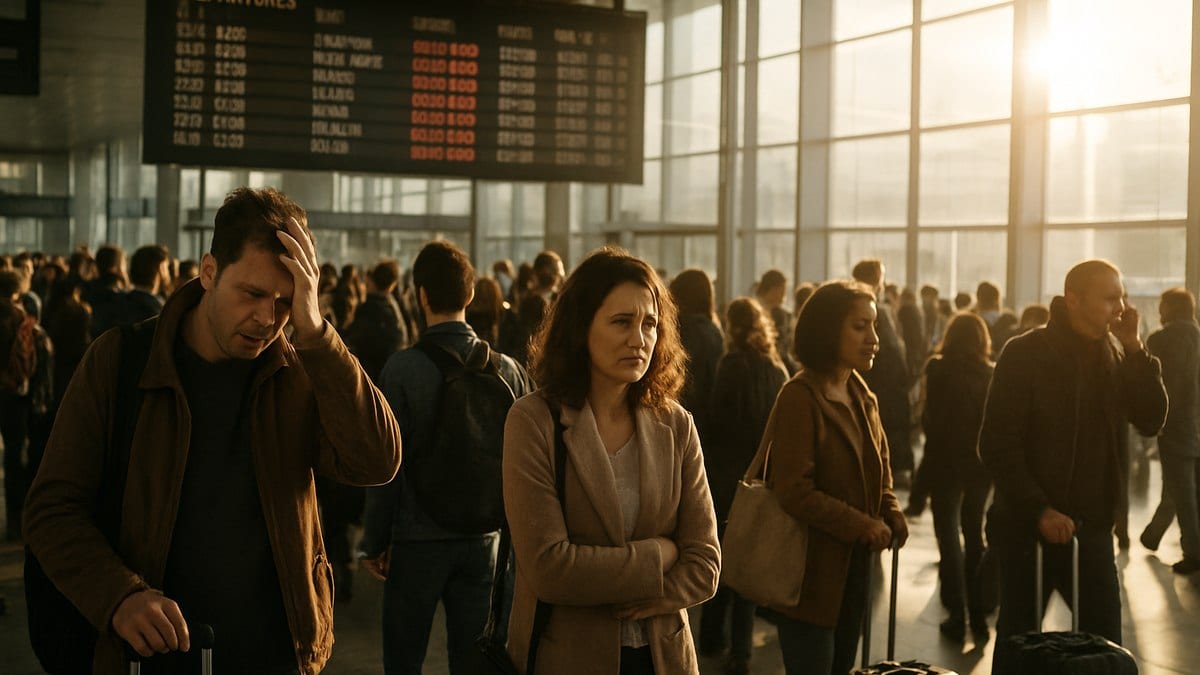
Passengers across Australia faced hours of uncertainty on 9 April as widespread flight disruptions rippled through the country’s busiest airports, leaving many travellers stranded and forcing last minute changes to school holiday and business travel plans.
Get the latest news straight to your inbox!
Delays and Cancellations Hit Key Domestic Hubs
Major Australian gateways including Sydney, Melbourne, Brisbane and Perth experienced heavy disruption on 9 April, with publicly available data compiled by travel industry outlets pointing to hundreds of delayed departures and a significant number of cancellations across the day. Reports indicate that more than 460 flights were delayed nationwide, with at least three dozen services cancelled outright, affecting both domestic and some short haul international routes.
Coverage in Australian and international travel media highlights that travellers encountered rolling delays from early morning through the evening peak, with congestion building in terminal check in areas and at boarding gates. As the day progressed, schedule knock on effects saw later flights pushed back or withdrawn from timetables, stretching airline and airport resources and complicating recovery efforts.
The scale of the disruption placed particular pressure on Australia’s eastern seaboard hubs, which handle the bulk of the country’s domestic traffic. Delayed turnarounds on high frequency shuttle routes between Sydney, Melbourne and Brisbane contributed to cascading timetable changes that were still being reflected on departure boards into the late evening.
Operational analytics platforms tracking live movements showed deteriorating on time performance across multiple carriers as the day went on, underlining how quickly small delays on individual sectors can accumulate into nationwide disruption when networks are tightly scheduled.
Multiple Airlines Affected Across the Network
The disruption on 9 April did not centre on a single carrier. Travel trade reports and airport data indicate that Qantas, Jetstar, Virgin Australia, Network Aviation and other operators all recorded elevated delay levels and cancellations during the day. This broad impact suggests a mix of contributing factors rather than an isolated airline specific technical fault.
Domestic trunk routes linking Sydney, Melbourne, Brisbane, Adelaide and Perth appeared among the hardest hit, though regional connections and some trans Tasman and short haul international services were also affected. In several cases, aircraft and crew stranded on earlier rotations could not be repositioned in time to operate subsequent flights, leading to further cancellations.
Publicly available airline information emphasises that carriers typically respond to such events by consolidating lightly booked services, rebooking passengers onto later departures and, where possible, deploying additional aircraft. However, high load factors in the early April travel period limited the availability of spare seats, leaving some travellers facing extended waits at airports or the prospect of travelling the following day.
The pattern of disruption mirrored previous episodes in Australia and overseas, where surging demand, tight staffing levels and minor technical or air traffic issues can combine to place significant strain on airline operations over the course of a single day.
Travellers Confront Long Queues and Rebooking Challenges
Passengers checking live departure boards and airline apps on 9 April were met with a growing list of delayed and cancelled flights, prompting a rush to secure alternative options. Social media posts and comments gathered by travel publications described lengthy queues at service desks in several terminals, as travellers sought rebooking, refunds or overnight accommodation.
Publicly available customer guidance from major Australian airlines indicates that, in the event of significant delays or cancellations, affected passengers are generally offered rebooking on the next available flight at no additional fare, or a credit or refund depending on fare type and conditions. However, when multiple services on the same route are disrupted, the “next available” option can be many hours away, especially on regional and late evening sectors.
Families travelling for school holidays, workers commuting between cities and international visitors connecting onward from domestic legs all reported changing plans at short notice. Some opted to abandon trips altogether, while others attempted to salvage itineraries by switching to earlier flights from nearby airports or exploring long distance rail and road alternatives.
Travel industry commentators noted that the day’s events once again highlighted the importance of maintaining flexible travel arrangements where possible, including booking changeable fares on critical journeys and allowing additional buffer time for connections during peak seasons.
Weather, Capacity and System Strain Under Scrutiny
While a single clear cause for the 9 April disruptions across Australia had not been identified by late in the day, operational analysts pointed to a familiar blend of pressures on the aviation system. These can include localised weather patterns, air traffic flow restrictions, runway works, crew availability constraints and the knock on effect of earlier technical issues or late arriving aircraft.
Recent government and industry reports on domestic on time performance in Australia have highlighted that reactionary delays, in which one late flight triggers further knock ons across the network, account for a significant share of overall disruption. On busy travel days, small schedule deviations can therefore cascade quickly, particularly when airlines are operating near capacity with limited standby aircraft or crew.
Infrastructure and airspace constraints at major city airports also remain a recurring theme. Curfew rules at Sydney and other airports restrict overnight operations, limiting the ability of airlines to run late recovery services. Once evening curfews approach, carriers often face difficult decisions on which flights to prioritise and which to cancel outright to avoid breaching operating limits.
The events of 9 April added to an emerging pattern of high profile disruption episodes across global aviation in recent years, linked variously to staffing shortages, IT outages and extreme weather, reinforcing questions about how resilient airline and airport operations are to sudden spikes in stress.
What Impacted Passengers Can Do Next
For travellers still working through the aftermath of the 9 April disruptions, consumer advocates and travel firms point to several practical steps. Passengers are generally advised to first confirm the status of their booking directly via airline apps or online manage booking tools, which are often updated sooner than airport display boards.
If a flight has been cancelled or significantly delayed, publicly available airline policies indicate that customers should typically be given the choice of rebooking on a later service, receiving a travel credit, or in some cases requesting a refund. The precise options depend on whether the disruption was within the airline’s control and on the fare rules attached to the ticket.
Where overnight stays become necessary, travellers may seek guidance on accommodation and meal assistance, though entitlements vary by carrier and by the cause of the delay. Keeping receipts for any out of pocket expenses is widely recommended in case reimbursement is available under airline policies or travel insurance.
Travel experts also highlight the value of monitoring broader travel news and operational updates in the days following a major disruption. Even after the immediate backlog is cleared, aircraft and crew may be out of their usual positions for several days, meaning that residual delays and schedule changes can persist across parts of the network.