

More news on this day
Mallorca is entering 2026 in the midst of a self-declared tourism revolution, combining tougher rules on mass tourism and frozen bed capacity with unexpectedly resilient demand from its core German market.
Get the latest news straight to your inbox!
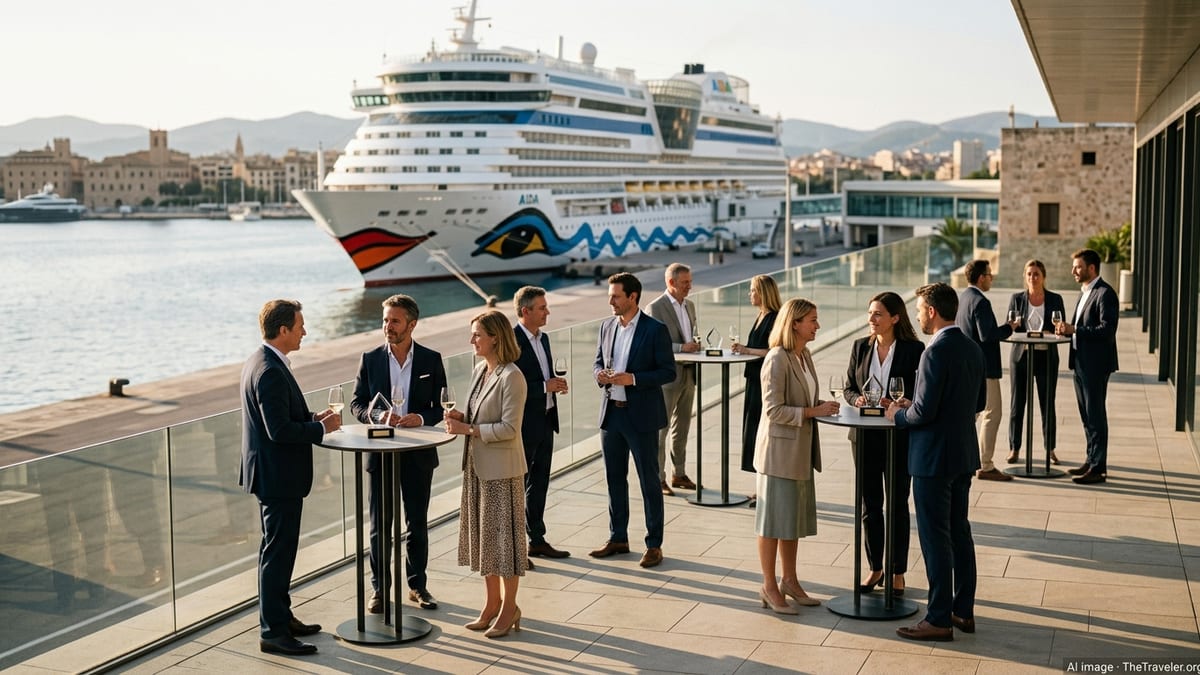
A New Tourism Model Focused on Quality Over Volume
Regional regulations introduced in recent years are converging in 2026 to mark a clear shift in how Mallorca manages visitors. Balearic rules on responsible tourism, alcohol sales and accommodation licensing are designed to curb the most disruptive forms of mass tourism and to prioritize what policymakers describe as higher-quality, lower-impact travel. Provisions targeting binge drinking in hotspots, stricter controls on party boats and limits for cruise operations around Palma form part of this framework.
At the same time, a long-running freeze on new tourist beds is being reinforced by decisions to cancel tens of thousands of planned places in hotels and vacation rentals. Academic and policy analyses of the Balearic circularity agenda highlight measures that restrict new construction and seek to cap overall capacity, particularly on Mallorca, where environmental stress indicators such as water use and waste generation have reached sensitive thresholds in peak months.
This approach has been widely portrayed as a tourism revolution because it breaks with decades of growth-by-volume. Authorities are signaling that the island’s carrying capacity has been reached in many coastal zones and that future gains must come from higher spending per visitor, longer stays outside high season and diversification of tourism products rather than more beds and flights.
Local business groups, including hotel federations, broadly acknowledge that the model is entering a new phase. Industry assessments for 2025 underline that occupancy and revenue per available room rose even without expanding capacity, reinforcing the idea that policy and market forces are pushing Mallorca into a more value-driven era.
German Market: Fewer Visitors, Higher Spending Power
Within this changing framework, the German market remains central. Official statistics for 2025 show that Germans continue to be Mallorca’s largest foreign source market by a wide margin, accounting for well over four million arrivals and roughly one third of all German visitors to Spain. Although total German arrivals to the Balearics dipped slightly in 2025, with around 90,000 fewer visitors than the previous year, the underlying spending trend is moving in the opposite direction.
Tourism and travel reports from the German market point to record spending on advance-booked holidays in 2025, with package travel and flight-inclusive deals to Spain performing strongly. Publicly available analyses forecast that German tourism expenditure will grow again in 2026, even as households face persistent inflation, higher interest rates in recent years and uncertainty in the broader European economy.
Local coverage on the island emphasizes that German tourism remains a structural pillar for Mallorca’s economy. Business leaders expect that, while the number of German visitors may not grow significantly in volume in 2026, revenue per traveler is likely to rise. Higher-category bookings, especially four and five-star hotels and upscale holiday homes, appear to be capturing a larger share of demand, helping Mallorca align its new quality-focused model with German preferences.
There are, however, early signs of recalibration in travel patterns. Winter 2025 to 2026 data show a modest decline in German arrivals, suggesting that cost-conscious travelers are concentrating their visits in the core summer months where perceived value is higher. Analysts note that this seasonal compression could intensify pressure on local infrastructure during peak season while leaving more capacity underused in the cooler months.
Prices Surge as Capacity Stays Tight
One of the clearest outcomes of Mallorca’s tourism shift is pricing. Hotel and travel industry figures for 2025 show that average daily rates increased across nearly all categories, with revenue per available room reaching some of the highest levels seen on the island. Local tourism media report a visible boom in luxury and upper-upscale properties, from renovated seaside resorts to boutique hotels in Palma and the Tramuntana villages.
This price surge is closely connected to the decision to keep bed numbers capped. With demand from markets such as Germany remaining firm, limited capacity has translated into higher room rates, particularly in high season and for properties in prime coastal locations. Observers describe this as a deliberate move away from budget mass tourism toward a smaller but more affluent visitor base.
The shift is not limited to hotels. The luxury segment in private accommodation is expanding, with tens of thousands of licensed tourist-use homes generating many millions of overnight stays per year. Analysts warn that, in a constrained housing market, strong demand from high-spending visitors can push rental prices upwards for residents, especially in Palma and popular coastal towns, intensifying local debates over affordability and quality of life.
From a purely economic standpoint, some commentators argue that the pricing dynamic appears counterintuitive at a time of tighter household budgets in Germany. Yet booking data and tour operator statements suggest that many travelers are prioritizing fewer but higher-quality trips, effectively trading frequency for standard. Mallorca, with its short flight times, established infrastructure and strong brand recognition, benefits from this shift even as it becomes more expensive.
Flights, Seasonality and the “Despite Logic” Demand Pattern
Aviation forecasts for summer 2026 highlight how strongly German demand continues to shape Mallorca’s connectivity. The latest touristic air traffic report in Germany identifies Palma de Mallorca as the country’s single most important international holiday airport, with thousands of planned departures from more than twenty German airports in July alone. Scheduled capacity to the island in peak months is set to grow compared with the previous year.
This robust flight program underlines the apparent paradox that has become a talking point in 2026. Conventional economic logic might suggest that sustained price increases, stricter conduct regulations and public protests against overtourism would dampen demand. Instead, airlines and tour operators are planning more seats, not fewer, indicating that many German travelers are willing to absorb higher costs or adjust trip length and timing rather than drop Mallorca from their plans.
Analysts of German booking behavior point to a “despite logic” pattern in which travel is treated as a protected expenditure within household budgets. Survey data and sales figures for the German travel trade show that bookings for Mediterranean destinations remain resilient, with Spain consistently ranking at or near the top choice for both summer and shoulder seasons. Within Spain, the Balearics, and especially Mallorca, retain a strong preference profile due to familiarity and perceived safety.
At the same time, there is evidence of a gradual redistribution of German visitors within Spain. National radio and press coverage note that while the Balearics saw a small decline in German arrivals in 2025, mainland regions such as Andalusia and Valencia recorded growth. Analysts interpret this as an early sign that price-sensitive segments are testing alternative destinations, even as higher-spending segments consolidate their presence in Mallorca.
Social Tensions, Sustainability Goals and What Travelers Should Expect
The 2026 tourism revolution in Mallorca is not just an economic story. Large-scale demonstrations against housing shortages and overtourism, as well as visible graffiti targeting foreign property buyers, have drawn international attention in recent years. Public debate on the island increasingly focuses on how to reconcile tourism dependency with local residents’ access to housing, stable employment and essential services.
Monitoring by the Sustainable Tourism Observatory of Mallorca and other research bodies has documented the environmental impact of high visitor density, especially on water resources, coastal ecosystems and waste management. These findings underpin policies that seek to limit further expansion of tourism beds, regulate rental cars and channel more revenue into infrastructure and environmental mitigation.
For German visitors planning trips in 2026, the practical consequences of this shift are likely to be most visible in prices, booking conditions and local rules. Travelers can expect higher average rates, especially in peak summer, stricter enforcement around alcohol consumption in designated zones, and occasionally vocal local criticism of the island’s tourism dependence. Publicly available guidance encourages visitors to book earlier, choose licensed accommodation and respect new regulations aimed at reducing nuisance and environmental pressure.
Industry observers suggest that if Mallorca succeeds in matching strong German demand with its new quality-focused, capacity-limited model, the island could emerge as a leading example of how mature Mediterranean destinations manage overtourism. If, however, housing tensions and seasonal pressure continue to escalate, the social sustainability of the model will remain in question, even as planes and hotels stay full.