


More news on this day
A man has been accused of attempted murder following a serious collision at a railway station in Hastings, a case that is drawing renewed attention to safety at busy commuter hubs and the way crowded platforms are managed during peak travel times.
Get the latest news straight to your inbox!
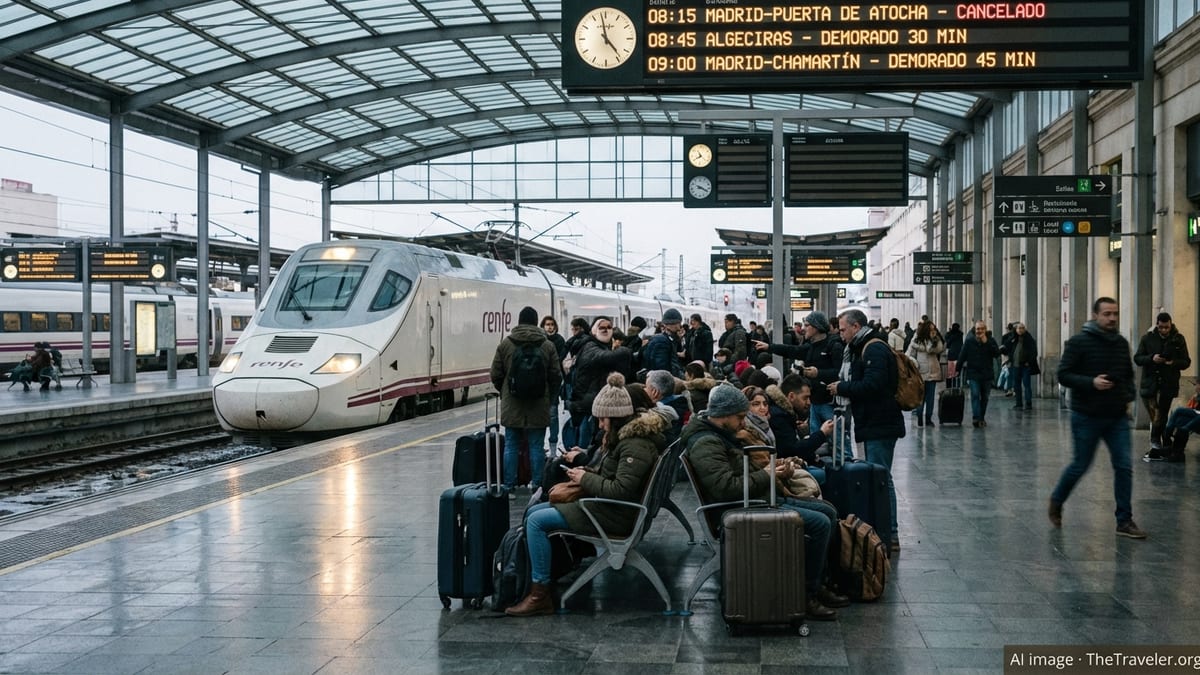
Alleged Deliberate Collision Under Investigation
According to published coverage, the incident unfolded on a station concourse near Hastings, where a vehicle and pedestrian area intersect in close proximity to passenger access points. Early reports indicate that the collision was treated as a targeted act rather than an accident, leading investigators to examine whether the driver intentionally aimed at individuals on or near the station approaches.
Publicly available information shows that one person suffered serious injuries consistent with a high‑impact collision and required urgent hospital treatment. The individual remained under medical care as inquiries continued, and assessments of long‑term injuries are expected to form an important part of the case.
The man accused was arrested shortly after the incident and later charged with attempted murder in connection with the collision. Additional allegations linked to dangerous driving and endangering the safety of people using the station are expected to be considered alongside the most serious count.
Court listings suggest that hearings will focus on whether the collision was a deliberate attempt to cause catastrophic harm in a confined public space, an issue that has surfaced in other cases in the United Kingdom involving vehicles used as weapons around transport hubs.
Growing Concerns Over Station Access and Vehicle Interfaces
The case has intensified a wider conversation about how British rail stations manage the points where vehicles, pedestrians and rail infrastructure meet. Hastings, like many older stations across the network, combines historic layouts with modern passenger volumes, creating congested forecourts, taxi ranks and drop‑off zones just steps from platform entrances.
Transport commentators note that such designs can leave only minimal physical separation between moving vehicles and crowds of arriving or departing passengers. When a collision occurs, even at relatively low speed, the presence of hard surfaces, stairways and platform edges can amplify the severity of injuries.
Recent coverage of road‑traffic‑related attempted murder charges elsewhere in the country has highlighted similar vulnerabilities near bus interchanges, park‑and‑ride facilities and local high streets that feed directly into stations. Observers point out that while hostile vehicle mitigation is common outside major city landmarks, many regional rail stations still rely on painted lines, bollards or informal traffic rules to protect people on foot.
Safety advocates argue that the Hastings case underlines the need to review where vehicles are allowed to circulate in relation to station doors and ticket halls, particularly at locations that serve as gateways to coastal resorts and receive large seasonal surges in visitor numbers.
Legal Process and the Question of Intent
The attempted murder charge signals that prosecutors are likely to argue that the collision went beyond dangerous driving and involved a clear intention to cause grievous harm. In similar recent prosecutions involving vehicles and pedestrians, courts have examined factors such as steering movements, speed changes and any actions taken, or not taken, to avoid impact.
Publicly available court coverage from other parts of the United Kingdom shows that judges and juries are asked to weigh physical evidence from collision investigators, along with any recordings from station cameras and nearby businesses. Where incidents occur at stations, such camera networks can provide a detailed sequence of events across entrances, concourses and adjoining streets.
Legal analysts note that the Hastings station case will also sit within a broader legal landscape in which vehicles have been deliberately used to target pedestrians near parliaments, shopping streets and local transport hubs. Outcomes in those cases have shaped the way intent is argued when a driver is alleged to have turned a vehicle into a weapon in a crowded public setting.
Until the trial concludes, the accused man remains legally presumed innocent. Observers expect that future hearings will clarify whether any additional charges relating to public endangerment, traffic offences or violations of rail‑byelaw provisions concerning station safety will be pursued.
Impact on Passengers and Local Travel Patterns
Reports indicate that the immediate aftermath of the collision brought disruption to services using Hastings station and its surrounding streets, as sections of the site were cordoned off for forensic examination. Passengers experienced delays and short‑notice platform changes while access routes were temporarily restricted.
In the days following the incident, commuters and leisure travelers reported heightened security awareness on and around the station, including more visible patrols and greater scrutiny of vehicle movements in forecourt areas. Some local passengers described adjusting their routines, choosing to arrive earlier or use alternative entrances to avoid congested sections.
Travel planners point out that Hastings serves as a strategic interchange for services along the East Sussex coast and towards London, meaning any disruption can ripple across the regional timetable. The incident has spurred renewed interest in how quickly stations can adapt circulation plans when a section of forecourt or concourse is taken out of use.
Industry observers suggest that, although serious criminal cases linked to station collisions remain relatively rare, their impact on public confidence can be significant. Ensuring that passengers continue to feel comfortable using evening and early‑morning trains is seen as critical for both tourism and the daily economy of the town.
Calls for Stronger Design and Prevention Measures
Following high‑profile incidents at other UK stations and transport interchanges, rail operators and local authorities have increasingly turned to design‑led solutions to reduce the risk of deliberate collisions. These can include reinforced bollards, raised planters, one‑way systems and tighter control of where vehicles may wait or turn near station entrances.
Commentary surrounding the Hastings case suggests that similar interventions are likely to be considered for coastal and market‑town stations, which often sit at the junction of narrow historic streets and modern traffic flows. Upgrades designed to improve coach and taxi access can, if not carefully planned, inadvertently create faster vehicle approaches toward passenger gathering points.
Transport safety specialists argue that any future measures should address not only physical barriers but also clearer signage, slower traffic speeds and better separation between pedestrian and vehicle routes. They also point to the role of lighting, surveillance and staff presence in deterring both intentional harm and reckless driving around stations.
As the attempted murder case connected to the Hastings station collision moves through the courts, attention is likely to remain fixed on how quickly lessons are translated into practical protections. For many regular travelers, the ultimate test will be whether station forecourts feel measurably safer during the busiest moments of the daily rail rush.