


More news on this day
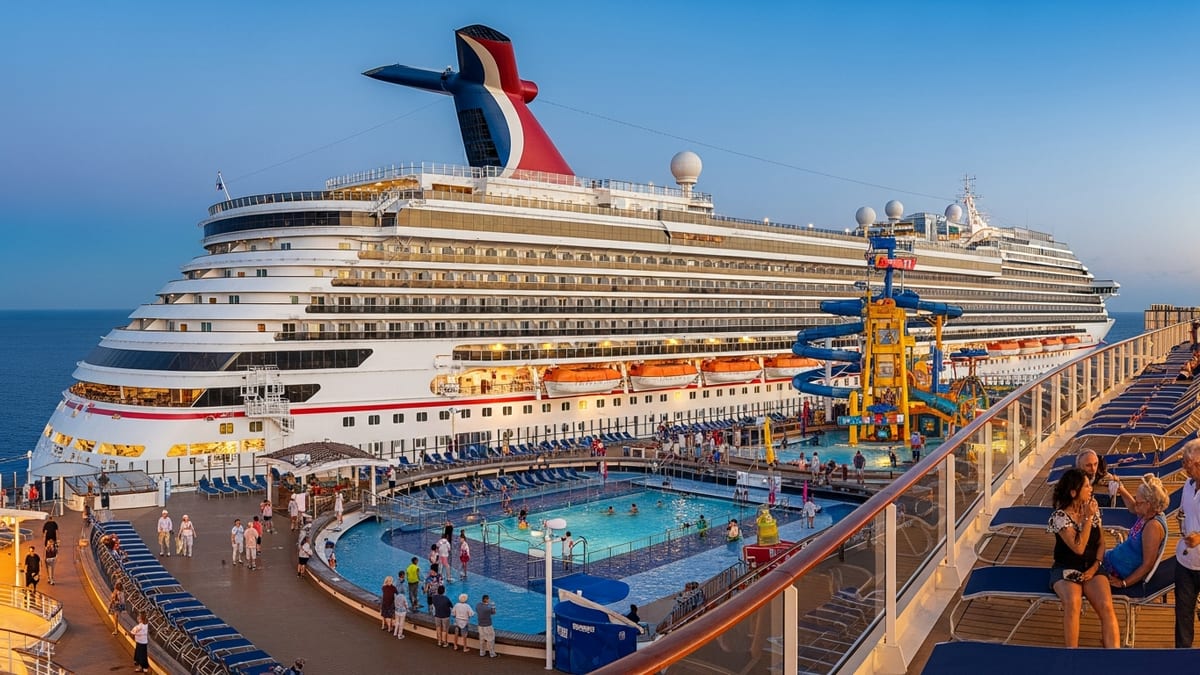
Carnival Cruise Line is increasingly looking to its own backstory for inspiration, reviving classic ship names and design cues as it grows a modern fleet that still trades heavily on nostalgia.
Get the latest news straight to your inbox!
A Brand Built On Iconic Names
Carnival’s naming strategy has long been central to how the brand presents itself, with ship identities closely tied to what the line markets as its “fun ship” heritage. Early vessels such as the original Mardi Gras and Tropicale helped define that image and today provide a template for how the company connects newer hardware with its past.
Publicly available company history outlines how the line grew from a single ship in the early 1970s into a fleet that now numbers close to 30 vessels, with each generation of ships carrying names meant to evoke celebration, sun and escape. As the fleet expanded into multiple classes and sizes, those themes remained a constant, even as individual ships were refurbished, stretched or reassigned to different markets.
Analysts note that in an increasingly competitive cruise market, recognizable names can function as shorthand for a certain style of vacation. By retaining and reviving familiar branding across ships, Carnival is able to tap into decades of awareness among North American travelers who may have first cruised with the company many years ago.
Excel Class Honors Original Mardi Gras And Jubilee
The clearest example of Carnival turning to its archives is in the Excel class, the line’s largest and most environmentally advanced series of ships. The LNG-powered Mardi Gras, which entered service in 2021, revived the name of the company’s very first vessel, originally a converted ocean liner that sailed in the 1970s.
The second Excel-class ship, Carnival Celebration, similarly echoes a name that has appeared in the fleet before, linking a newbuild packed with contemporary features to earlier “Celebration” vessels that many guests remember from Caribbean itineraries in the 1980s and 1990s. Marketing material for the current Celebration highlights this continuity, framing the ship as part of a multi-decade story rather than a standalone product.
The third Excel-class ship, Carnival Jubilee, extends the approach even further. Public information from the line and independent ship databases point out that the name honors a previous vessel called Jubilee that sailed for Carnival in the late 1980s and 1990s. The new Jubilee, based in Galveston, Texas, combines the company’s latest attractions with a name that already resonates strongly along the Gulf Coast, where the earlier ship once operated.
From Destiny To Sunshine, Sunrise And Radiance
Carnival has not only revived names through newbuilds but also through extensive refits and rebranding of existing tonnage. The line’s Destiny-class ships, introduced in the mid-1990s, were among the largest cruise vessels of their time. Rather than retire them outright, Carnival opted to carry out deep refurbishments that effectively created a new Sunshine class.
According to fleet guides and ship registries, Carnival Destiny was transformed into Carnival Sunshine in 2013 after a major dry dock, while Carnival Triumph became Carnival Sunrise and Carnival Victory emerged as Carnival Radiance following similarly extensive overhauls. All three ships received new public spaces, expanded dining and updated waterpark features alongside their new names.
The choice of Sunshine, Sunrise and Radiance aligned the refurbished ships with a brighter, more contemporary brand vocabulary, while still signaling continuity with the earlier generation. Travel industry coverage at the time observed that many loyal Carnival cruisers continued to refer to the ships by their original names, underscoring how strongly those identities had become embedded and why the company looks for ways to bridge past and present.
Italian Flair With Venezia, Firenze And Luminosa
More recently, Carnival has turned to classic destination-inspired names as it integrates ships originally built for sister brand Costa Cruises. Costa Venezia and Costa Firenze were transferred into the Carnival fleet as Carnival Venezia and Carnival Firenze, forming the core of what the company now promotes as “Fun Italian Style” sailings from key U.S. homeports.
Publicly available Carnival materials describe how both ships retain many of their Italian-themed design elements, including atriums modeled on famous city squares and décor inspired by Venice and Florence. The decision to keep and foreground the Venezia and Firenze identities allows Carnival to preserve a sense of European character while still folding the vessels into its own naming family.
A similar approach is evident with Carnival Luminosa, a ship that previously sailed as Costa Luminosa before joining the brand. Industry reports indicate that maintaining the Luminosa name and much of the interior styling gives Carnival an additional point of differentiation in markets such as Australia, where the ship has been positioned for seasonal deployments.
By emphasizing evocative geographical names alongside its core “fun” vocabulary, Carnival is able to expand its storytelling options, pitching these vessels as a blend of familiar onboard experiences with a distinct Italian twist.
Looking Ahead With Carnival Tropicale And Beyond
The naming pattern is set to continue with upcoming newbuilds. Carnival has revealed that a future Excel-class ship will be called Carnival Tropicale, a direct nod to the MS Tropicale, a landmark vessel introduced in the early 1980s that played a key role in the brand’s expansion into year-round Caribbean cruising.
Promotional information about Carnival Tropicale highlights the historical connection and notes that the ship will feature one of the line’s signature winged funnels, an element that originated on the earlier Tropicale and has become a visual symbol of the brand. Positioning the new ship as a tribute suggests Carnival sees value in reminding guests of its role in popularizing contemporary cruising.
Observers of the cruise sector point out that as lines invest heavily in technology, alternative fuels and larger capacity, there is a parallel effort to anchor these megaships in recognizable narratives. In Carnival’s case, those narratives increasingly revolve around names that regular cruisers have seen before, whether on the side of an older ship in a vacation snapshot or in decades of brochure covers.
With vessels such as Mardi Gras, Celebration, Jubilee, Venezia, Firenze and soon Tropicale all sailing under revived or reinterpreted names, Carnival is effectively turning its fleet into a floating archive of its own history. For travelers, that mix of the new and the familiar is emerging as a key part of the brand’s appeal.