


More news on this day
Passengers traveling through Manchester Airport are facing delays as a series of disrupted flights, refueling diversions and broader operational pressures combine to create a challenging start to the summer travel period.
Get the latest news straight to your inbox!
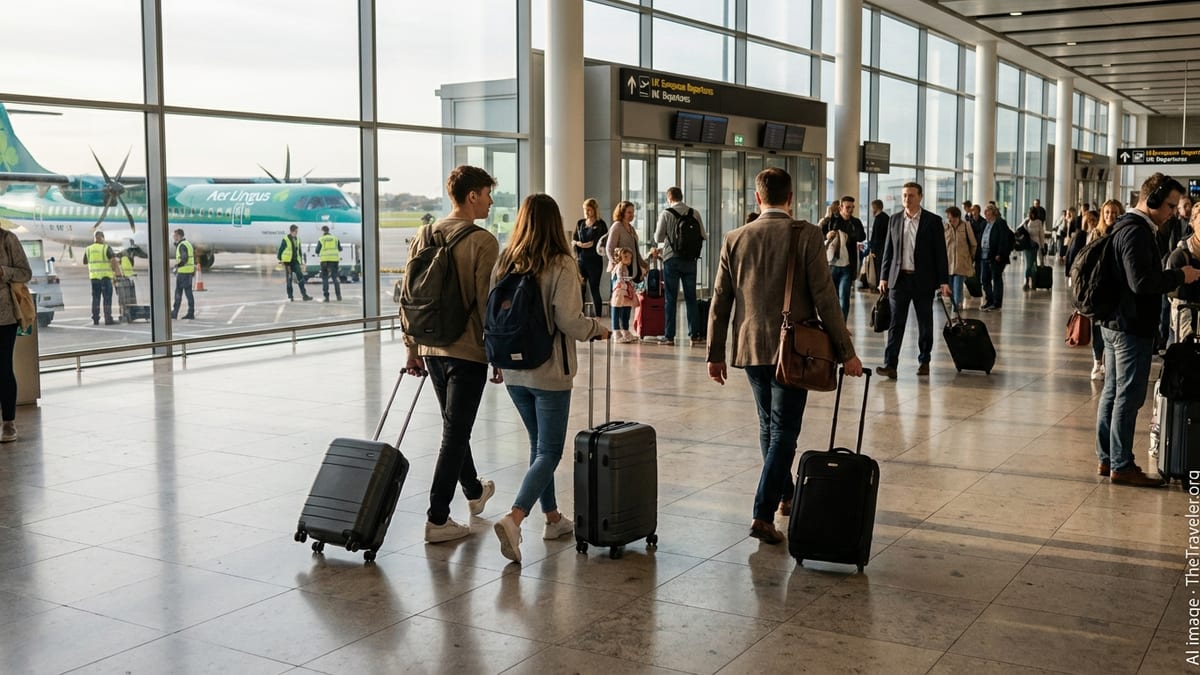
Refueling diversions add pressure to busy hub
Recent fuel supply issues at Glasgow and Edinburgh have contributed to additional strain on Manchester Airport, with some long-haul and European services routed via Manchester to take on fuel before continuing to their final destinations. According to publicly available information, several high-profile services from Scotland have been scheduled to make technical stops in Manchester, increasing the number of aircraft movements through an already busy hub.
These refueling diversions are generally brief, with passengers remaining on board while ground crews complete fuel and safety checks. However, even short additional stops can create knock-on effects, from delays to departure slots to congestion at stands and taxiways. For passengers departing Manchester, this can mean aircraft arriving slightly behind schedule from previous sectors, compressing turnaround times and heightening the risk of late departures.
The timing of these diversions is particularly sensitive, coinciding with the build-up to the peak summer holiday season. Airlines are operating near full capacity on many popular leisure routes, leaving limited flexibility to absorb unexpected operational changes without affecting departure punctuality.
Industry data for this year already indicates that average delays across European airspace are rising compared with previous months, reflecting the cumulative impact of weather, staffing constraints and air traffic management restrictions. Against this backdrop, any extra operational complexity at a major regional hub such as Manchester can quickly translate into longer waits for passengers.
Manchester ranked among UK’s worst for delays
Even before the latest disruption, Manchester Airport had been identified as one of the slowest UK airports for on-time performance. Analysis of Civil Aviation Authority figures published in early May ranked Manchester at the bottom of the national table for average departure delays, with flights last year leaving more than 19 minutes late on average.
The figures place Manchester behind other large English airports, underlining the pressure on operations as passenger numbers recover and grow. Published coverage links the poor performance to a combination of high demand, limited slack in airline schedules and infrastructure upgrades across the wider northern transport network that can make it harder for passengers and staff to reach the airport smoothly.
While Manchester has also reported strong security queue performance and record-breaking passenger totals this year, the contrast between fast processing on the ground and slower departures at the gate is notable. For travelers, the result is that time saved in terminal queues may still be lost waiting at packed departure gates or sitting on board aircraft awaiting clearance to push back.
Delays of around 20 minutes may appear modest, but they are averages across all movements. On peak days, particularly at the start of school holidays and busy weekends, some flights are experiencing considerably longer waits, with late inbound aircraft and constrained departure slots compounding the issue.
Knock-on effects for airlines and passengers
As airlines work to manage the disruption, passengers are being urged via general airport and carrier advisories to check their flight status before leaving for the airport and to allow additional time for their journey. Publicly available flight-tracking data for recent days shows a pattern of delayed departures across several carriers operating from Manchester, including holiday airlines and low-cost operators serving popular Mediterranean destinations.
When delays extend beyond a couple of hours, passengers can find themselves facing missed connections, rearranged transfers and changes to accommodation plans. This is particularly challenging for those traveling on tightly timed itineraries, such as weekend city breaks or onward long-haul journeys booked on separate tickets. Social media and online travel forums already feature reports from travelers who have had to rebook at short notice or alter plans after extended waits at the airport.
Airlines operating from Manchester are required under established consumer protection rules to provide care in cases of significant disruption, including refreshments, communication support and, in some circumstances, accommodation. Guidance issued by the Civil Aviation Authority following a previous major disruption at the airport in 2024 emphasized the expectation that carriers minimize the overall impact on passengers and prioritize clear, timely information.
In practice, the level of support can vary depending on the cause and scale of delays and on the resources available to airlines and handling agents at busy times. Travelers are therefore being advised by consumer groups and travel commentators to familiarize themselves with their rights, keep receipts for additional expenses and monitor airline communication channels closely throughout their journey.
Rail disruption compounds access challenges
For some passengers, the impact of flight disruption is being compounded by ongoing problems on key rail routes serving Manchester Airport. Travelers from Yorkshire and the North East have reported repeated alterations and rail replacement services on the trans-Pennine corridors that link cities such as Leeds with the airport rail station.
These rail issues are linked to long-running infrastructure upgrades and capacity constraints across the trans-Pennine network. While the works are designed to deliver more reliable and frequent services in the long term, they can currently result in last-minute timetable changes, extended journey times and overcrowding on remaining direct services.
For air travelers, unreliable ground access makes it harder to follow the common advice to arrive well ahead of departure. Some passengers are building in significantly more contingency time, which can mean longer waits in the terminal when flights do operate on schedule. Others risk tighter margins, which can be stressful in periods of heightened airport disruption.
Airport users and local transport groups have highlighted the importance of clear, coordinated travel information, so that passengers can see at a glance how both flights and connecting rail services are performing. In the current environment, planning the journey to and from the airport is increasingly becoming as critical as monitoring the flight itself.
What travelers through Manchester should do now
With delays and disruption likely to remain a feature of travel through Manchester in the short term, passengers are being encouraged by travel experts to prepare carefully. This includes checking in online where possible, monitoring flight status on the day of travel and allowing extra time for the journey to the airport, especially for those relying on rail services subject to engineering works.
Flexible arrangements can help reduce stress. Where budgets allow, booking fully changeable train tickets or avoiding tight same-day connections to cruises, tours or separate flight bookings can provide a useful buffer. Travelers with essential events or time-sensitive commitments at their destination may wish to consider traveling a day earlier than strictly necessary.
At the airport, passengers can ease the process by keeping cabin baggage within airline limits, organizing documents in advance and following airport guidance on security and boarding procedures. While these steps cannot eliminate systemic delays, they can help ensure that flights are ready to depart as soon as slots and operational conditions allow.
As the busy summer season approaches, industry observers will be watching closely to see whether Manchester Airport and its airline partners can improve punctuality and resilience. For now, anyone passing through the airport over the coming days should be prepared for the possibility of queues, schedule changes and longer-than-expected travel times.