


More news on this day
Manchester Airport passengers continued to see knock-on delays this weekend after routine runway maintenance briefly reduced capacity, adding to a month marked by wider operational disruption across the UK aviation network.
Get the latest news straight to your inbox!
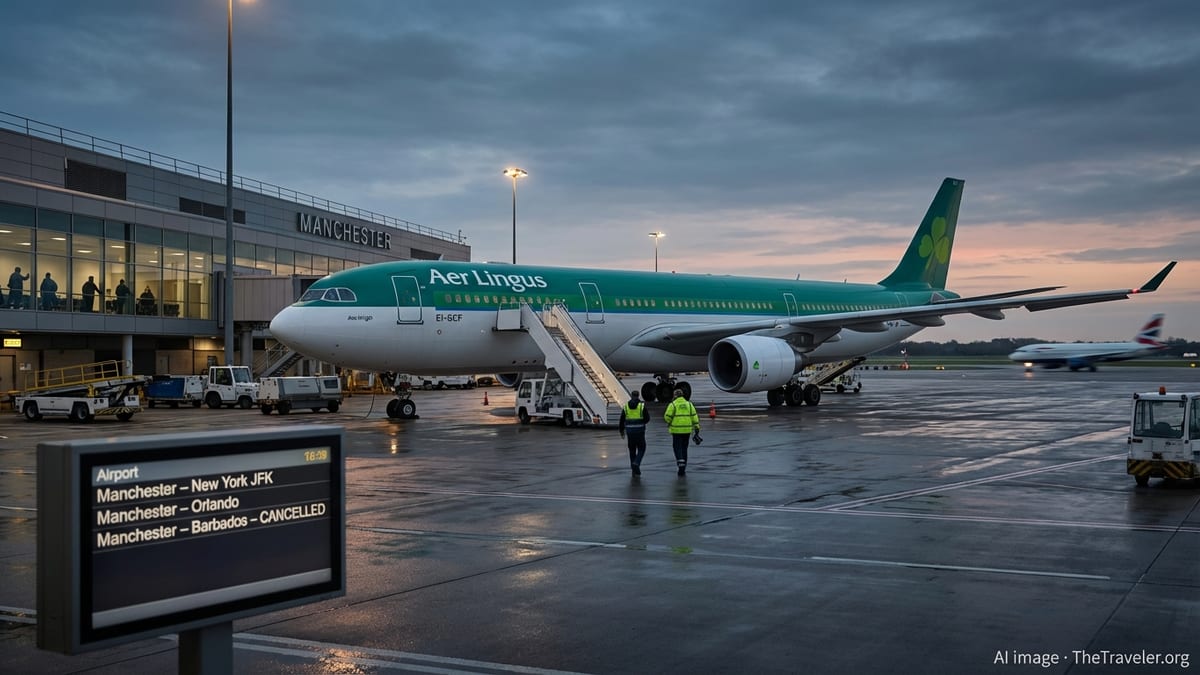
What triggered the latest wave of disruption
Published coverage on Saturday, September 19, 2026 linked widespread delays to a temporary closure of one of Manchester Airport’s runways for routine maintenance, with flight-data services indicating average departure delays around 50 minutes at points during the afternoon.
Manchester operates two parallel runways, but day-to-day capacity can tighten quickly when one runway is unavailable or when air traffic flow restrictions are in place. Even short closures can create queues that take hours to unwind, particularly when aircraft and crews are already running behind schedule.
The timing matters: September is a shoulder season with steady leisure demand, and delays often compound when inbound aircraft arrive late and then turn around for outbound services.
Runway maintenance is scheduled, but it can still bite
Manchester Airport publishes an annual schedule of overnight maintenance closures for its primary runway, Runway 23R/05L, during which the airport operates on a single runway, 23L/05R. For September 2026, the scheduled maintenance window was listed for the nights of September 8 to September 10, between 23:30 and 06:00 local time.
Those published schedules are designed to minimize passenger impact, but they can still create ripple effects, particularly if disruption occurs near the start or end of the overnight window or if earlier delays push more flights into late-night hours. The airport’s guidance notes that some nights are included for weather contingency and that works can be deferred or canceled when conditions allow.
Separate operational constraints can also reduce resilience during bad weather or low visibility. Aviation notices and tracking services in recent weeks have referenced instrument-landing and procedure-related changes affecting operations at Manchester, which can matter when arrivals need maximum efficiency to keep stands and gates flowing.
September’s broader context: delays and cancellations already elevated
The latest runway-related delays arrived after a turbulent start to the month for UK aviation. Early September saw significant disruption across multiple airports following a widely reported air traffic control systems issue, with airlines forced to cancel and then reposition aircraft and crews over subsequent days.
Independent flight-status aggregators tracking Manchester Airport’s performance in September 2026 have logged a spike in cancellations around Tuesday, September 8, with disruption extending into September 9. While such trackers are not official records, they provide a snapshot of how quickly a network event can hit a large regional hub and then linger as schedules recover.
Manchester’s airport site has also carried passenger-facing travel updates in recent weeks warning that a small number of flights have been canceled or delayed due to airspace closures related to the ongoing Middle East situation, advising travelers to check directly with airlines before heading to the terminal.
What passengers should do now if traveling via MAN
For travelers heading to Manchester Airport in the coming days, the most practical step is to monitor the airline’s live flight status and notifications, then confirm the latest check-in and bag-drop cutoffs. When delays are significant, airlines can adjust boarding times, gate assignments, and aircraft swaps at short notice.
Passengers driving to the airport should also allow extra time for knock-on congestion at terminal access roads and for longer security lines if multiple delayed departures bunch together. Those returning to Manchester late may want to keep proof of delay handy, especially if onward transport connections are time-sensitive.
For travelers who have booked airport parking, lounges, or FastTrack through Manchester Airport’s official channels, the airport has published guidance on refund and cancellation processes during disruption events. Those who booked through third-party agents generally need to handle changes through the seller rather than the airport.
Know your rights: care, rerouting, refunds, and possible compensation
UK passenger-rights guidance sets out two separate concepts: the airline’s duty of care during long delays and the conditions under which compensation may be due. Duty-of-care support can include food and drink, communications, and hotel accommodation plus transport if an overnight stay becomes necessary, depending on the length of delay and flight distance.
Compensation is more limited and generally depends on whether the disruption was within the airline’s control and whether the passenger arrived at the final destination at least three hours late. Problems driven by factors outside airline control, such as certain air traffic restrictions, weather, or airport emergencies, are often treated differently from controllable operational issues.
When flights are canceled, passengers can typically choose between a refund or rerouting. For many travelers in September, the immediate practical challenge has been securing rebooking during busy periods when aircraft and crews are out of place, which can extend disruption beyond the day of the original incident.