


More news on this day
Hundreds of travelers have been left stranded at Athens International Airport on June 21 as widespread operational disruption ripples across the hub, with around 320 flights reportedly delayed and at least two cancellations affecting key summer routes to Greek islands and major European cities.
Get the latest news straight to your inbox!
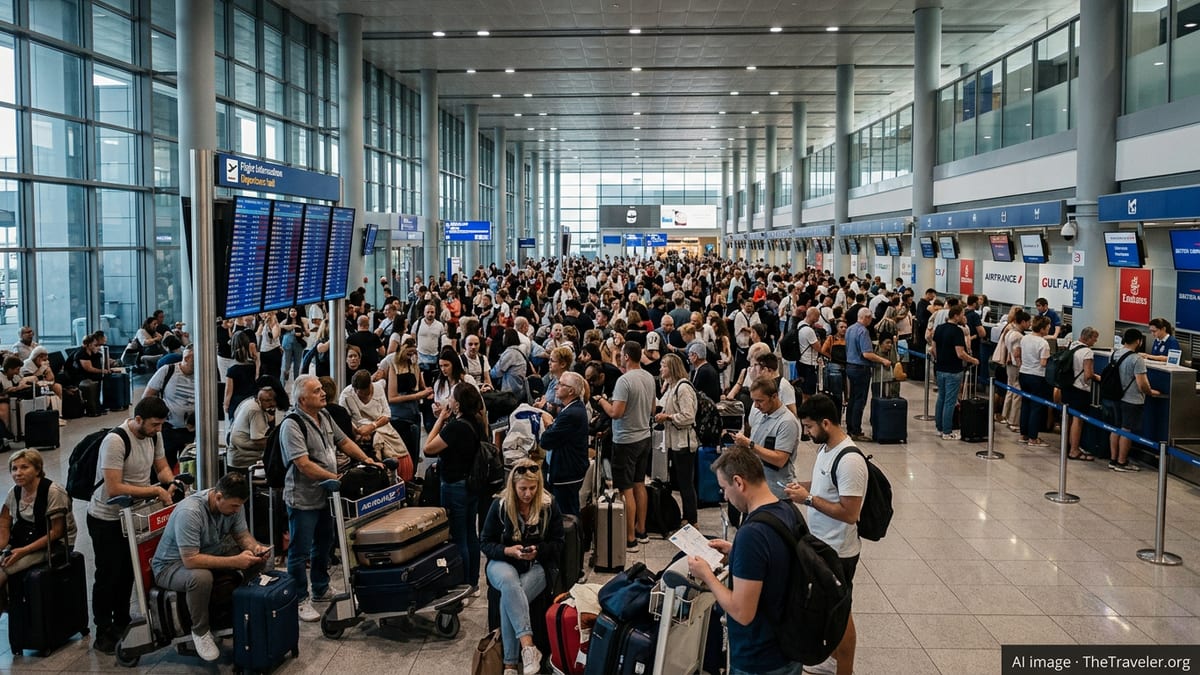
Severe Disruption Hits Peak Summer Getaway Traffic
The disruption comes at the height of the early summer travel rush, with Athens International Airport serving as the primary gateway to popular island destinations such as Santorini and Mykonos, as well as a major transfer point for flights across Europe and the Middle East. Publicly available airline and airport statistics show that the airport has recorded strong growth in flight numbers in 2026, increasing pressure on an already busy operation during peak periods.
According to indicative real-time tracking data and local media coverage, knock-on delays spread through the schedule over the course of Saturday, affecting both departing and arriving services. The situation has left passengers facing extended waits in departure halls and crowded gate areas as airlines attempt to recover disrupted rotations.
Preliminary figures circulating in Greek travel media suggest that more than 320 flights have been impacted by delays of varying length, while at least two flights were canceled outright. The pattern reflects broader trends noted in recent European aviation overviews, which have highlighted persistent bottlenecks at Athens related to air traffic control capacity and weather-sensitive operations.
Multiple Airlines and Key Tourist Routes Affected
The wave of disruption has not been confined to one carrier. Aegean Airlines and its regional arm, which together operate a significant share of Athens departures to domestic islands and major European hubs, have experienced rolling delays on routes to Santorini, Mykonos, and cities such as Munich and London, according to live status boards monitored on Saturday.
Low cost operators, including Ryanair and other European budget airlines, have also seen their Athens rotations slowed. Recent coverage in Greek travel outlets already highlighted an incident this week in which Ryanair passengers heading to London were left behind at Athens after lengthy boarding delays linked to congestion at border control. Saturday’s broader disruption appears to have compounded frustrations for travelers using similar routes.
Legacy network carriers serving Athens, such as Lufthansa and Emirates, have likewise reported schedule changes, with delayed departures from the Greek capital affecting onward connections through their respective hubs. Passengers on long haul itineraries transiting Athens have had to rebook missed connections or accept significant arrival delays at final destinations.
Underlying Strains: Capacity Limits and Border Control Pressures
While a detailed official breakdown of Saturday’s disruption has not yet been published, recent data from European aviation monitoring bodies has drawn attention to structural constraints at Athens International Airport. Reports indicate that the airport has been operating under air traffic control capacity regulations on an almost daily basis in 2026, particularly during busy morning and evening peaks.
Aviation overviews for earlier months this year describe Athens as one of the European airports with the highest average delay per arrival, with issues frequently linked to limited arrival capacity and occasional adverse weather. On several days in January and April, high winds and cloud ceilings were cited as amplifying existing bottlenecks, a pattern that can quickly cascade into missed slots and extended holding times.
Border control procedures have emerged as an additional pressure point. Greek travel media recently reported that new EU Entry/Exit System preparations and staffing demands have contributed to longer queues at passport control during surges in passenger numbers. In at least one case this week, delays at border checks were significant enough for passengers to miss a Ryanair departure to London despite reportedly arriving at the airport well in advance.
Impact on Passengers Bound for Islands and London
For travelers using Athens as a springboard to the Cyclades, the disruption has been particularly acute. Flights to high demand island destinations such as Santorini and Mykonos already operate close to capacity at weekends in June, making it difficult to rebook passengers when rotations are heavily delayed or canceled. Reports from flight tracking platforms show late evening island services departing hours behind schedule as airlines attempt to recover aircraft and crew.
Passengers flying between Athens and London have also seen their plans upended. Services operated by Aegean, Sky Express, Ryanair and foreign carriers experienced cascading delays as aircraft arrived late from previous legs or waited for new departure slots. For visitors ending holidays in Greece, even a short delay leaving the islands can now mean missing onward transatlantic flights departing from London later the same day.
Travel forums and social media posts from recent days suggest a growing sense of uncertainty among travelers connecting through Athens, with some holidaymakers opting to schedule overnight stops in the capital rather than rely on tight same day connections to island flights during the peak season.
What Travelers Can Do During Ongoing Disruptions
With Athens International Airport set to handle rising traffic throughout July and August, the latest wave of delays underscores the need for travelers to build flexibility into their plans. Consumer and passenger rights organizations recommend that travelers monitor flight status closely via airline apps and departure boards, arrive early for departures, and allow generous connection times when linking domestic island flights with international services.
Specialists in European air passenger rights also note that, depending on the cause of disruption, travelers on flights departing from Athens or operated by EU carriers may be entitled to care, assistance, or compensation when delays or cancellations meet specific thresholds. However, the applicability of those rules can vary based on factors such as weather, airspace restrictions, and operational causes, making case by case checks important.
As airlines continue working to restore their schedules at Athens, travelers scheduled to fly through the airport in the coming days are being advised by publicly available guidance to keep contact details updated with their carriers, consider travel insurance that covers disruption, and prepare for possible queuing and longer transit times through security and border controls while the airport navigates a challenging start to the high season.