


More news on this day
Travellers across Sussex are being urged to prepare for challenging conditions as a Met Office yellow warning for dense fog is introduced, with visibility expected to fall sharply and the risk of disruption to roads, rail and air services from late Friday into Saturday morning.
Get the latest news straight to your inbox!
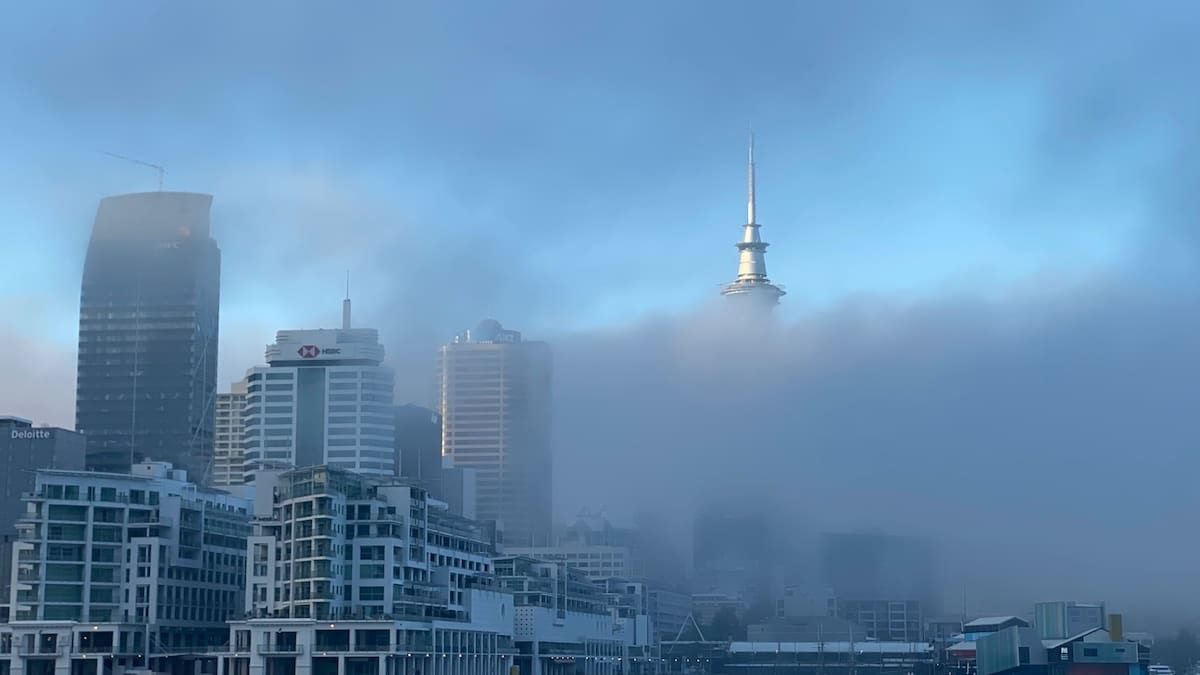
When the Met Office warning is in force over Sussex
According to the latest information from the Met Office’s National Severe Weather Warning Service, a yellow warning for fog has been issued covering large parts of southeast England, including both East and West Sussex. The alert is valid from 9pm on Friday 6 November 2026 until 11am on Saturday 7 November 2026, spanning the late evening, overnight period and the core of the Saturday morning travel window.
The warning area takes in coastal and inland communities such as Brighton and Hove, Bognor Regis, Worthing, Chichester, Crawley, Hastings and Eastbourne, along with stretches of key trunk routes that thread through the county. Publicly available guidance states that fog will become increasingly widespread through the night, turning dense in places with visibility in some spots dropping below 100 metres.
Met Office forecast text for the region indicates that the fog is expected to gradually lift into low cloud, mist or haze through late Saturday morning, with conditions improving from late morning into early afternoon. However, the timing means the thickest fog is likely to coincide with early road journeys, first rail departures and morning flights from regional airports serving Sussex travellers.
Updates published overnight into Saturday show the warning being refreshed rather than downgraded, underlining continuing confidence that dense fog will form and that transport services may be affected for at least part of the morning.
What the yellow fog warning means for travellers
The yellow category is the lowest tier in the Met Office colour-coded system, but it still signals a risk of disruption, particularly for those on the move. Official definitions explain that yellow alerts are used when weather is likely to cause low-level impacts in some areas, including slower journey times and localised travel problems, even if many people can continue their normal activities without major interruption.
For this specific fog warning, the Met Office highlights the potential for significantly reduced visibility on roads, with some stretches of motorway and A-road in and around Sussex seeing visibility fall below 100 metres. Public advice notes that this can translate into slower traffic, queues forming around junctions and a higher risk of minor collisions where drivers fail to adjust their speed and following distances.
Rail passengers are also being advised to check timetables before leaving home. Dense fog can lead to reduced speeds on some sections of track and knock-on delays where services are closely timetabled. Information services from train operators that cover Sussex indicate that, while services are expected to run, there is an elevated chance of minor delays during the first part of Saturday.
Air travel is particularly sensitive to fog, and published guidance associated with the yellow alert notes a chance of delays or cancellations to flights. Passengers using nearby airports such as Gatwick, which serves a large number of Sussex residents, are being urged in public communications to confirm the status of their flight with their airline and allow additional time for check-in and security in case schedules are adjusted at short notice.
Areas of Sussex most likely to see disruption
The warning polygon released through the Met Office’s online map confirms that all of East Sussex and West Sussex fall within the yellow zone. Within this, certain corridors are highlighted by transport specialists as particularly sensitive to dense fog because of traffic volumes and geography.
On the roads, the A27, A24, A23 and M23 are likely to carry the highest volumes of traffic during the warning period, especially on Saturday morning as shoppers, commuters and leisure travellers head towards Brighton, Worthing, Crawley and connections into London. Sections of rural A- and B-roads across the South Downs and Weald, where roadside lighting is limited and fields can trap cold air, are also prone to persistent fog patches.
Along the coast, towns such as Bognor Regis, Littlehampton and Eastbourne may face varying conditions, with coastal influences occasionally allowing fog to thin more quickly in some locations than inland. Local observations shared via community weather platforms on similar past events suggest that low-lying inland areas and river valleys, including stretches near the River Arun and River Ouse, can hold onto dense fog later into the morning than higher ground.
Bus operators serving urban centres including Brighton, Chichester and Hastings typically maintain services through yellow warnings, but previous events documented in local travel reports show an increased likelihood of minor delays on cross-country routes where drivers reduce speeds for safety. Real-time tracking apps are being recommended to passengers who need to make tight connections.
How drivers and passengers can prepare
National road-safety campaigns and Met Office travel guidance both emphasise planning ahead when fog warnings are in force. Drivers in Sussex are being encouraged, through publicly available advice, to allow extra time for journeys, check vehicle lights before setting off and ensure front and rear fog lights are working. Guidance stresses the importance of switching fog lights off once visibility improves, to avoid dazzling other road users.
Motorists are also advised to maintain greater distances from the vehicle in front, avoid sudden braking and use dipped headlights rather than full beam, which can reflect off water droplets in the fog and further reduce visibility. Those with flexibility in their plans may wish to delay non-essential journeys until after the warning expires at 11am, when conditions are expected to improve gradually.
Rail and bus passengers can reduce the risk of disruption to their plans by checking for service updates before travelling, either via operator apps or station information boards. Where tickets are valid on multiple services, it may be sensible to choose earlier departures in case of subsequent delays. Travellers heading to Gatwick and other nearby airports are being urged via public information channels to monitor airline alerts closely and factor in the possibility of extended check-in and boarding processes.
For visitors to Sussex, particularly those unfamiliar with local routes, accommodation providers and attractions often share links to official weather and travel information so guests can adjust plans as conditions evolve. With the current warning expected to be relatively short-lived, many tourism businesses anticipate being able to operate largely as normal later on Saturday once the fog lifts.
Looking ahead after the warning period
Forecasts issued alongside the fog warning suggest a gradual return to clearer conditions for Sussex once the alert period ends late on Saturday morning. As the fog lifts, visibility should improve markedly, reducing the immediate risk of travel disruption. However, residual damp road surfaces and patches of lingering mist in sheltered locations may continue to require cautious driving into the early afternoon.
Beyond this event, outlook charts published by the Met Office point to relatively settled weather across much of southern England for the following few days, with no immediate indication of further severe warnings for Sussex at the time of writing. Nonetheless, the fact that dense fog has prompted a formal warning so early in November is a reminder that late autumn and winter bring an elevated risk of disruptive conditions for the transport network.
Local resilience plans for Sussex, compiled by regional agencies, treat severe weather and associated travel disruption as a key risk, underlining the importance of heeding formal alerts even when they are at the yellow level. Travellers are encouraged to remain alert to any updates or extensions to the current warning and to continue checking official forecast channels before embarking on longer journeys.
With the current fog episode expected to be relatively short but impactful, those planning to move around Sussex overnight and on Saturday morning are being urged, through public-facing guidance, to stay informed, build extra time into their itineraries and be ready to adapt routes if conditions deteriorate along their intended path.