


Landing at Milan Malpensa and heading straight to Lake Como is one of the most rewarding arrivals in Italy, but the logistics can feel confusing. Trains, buses, ferries, taxis and private transfers all connect the airport with lakeside towns such as Como, Bellagio and Varenna, each with different costs, travel times and levels of comfort. This guide breaks down the best real-world options so you can choose the route that fits your schedule, budget and style of travel.
Get the latest updates straight to your inbox!
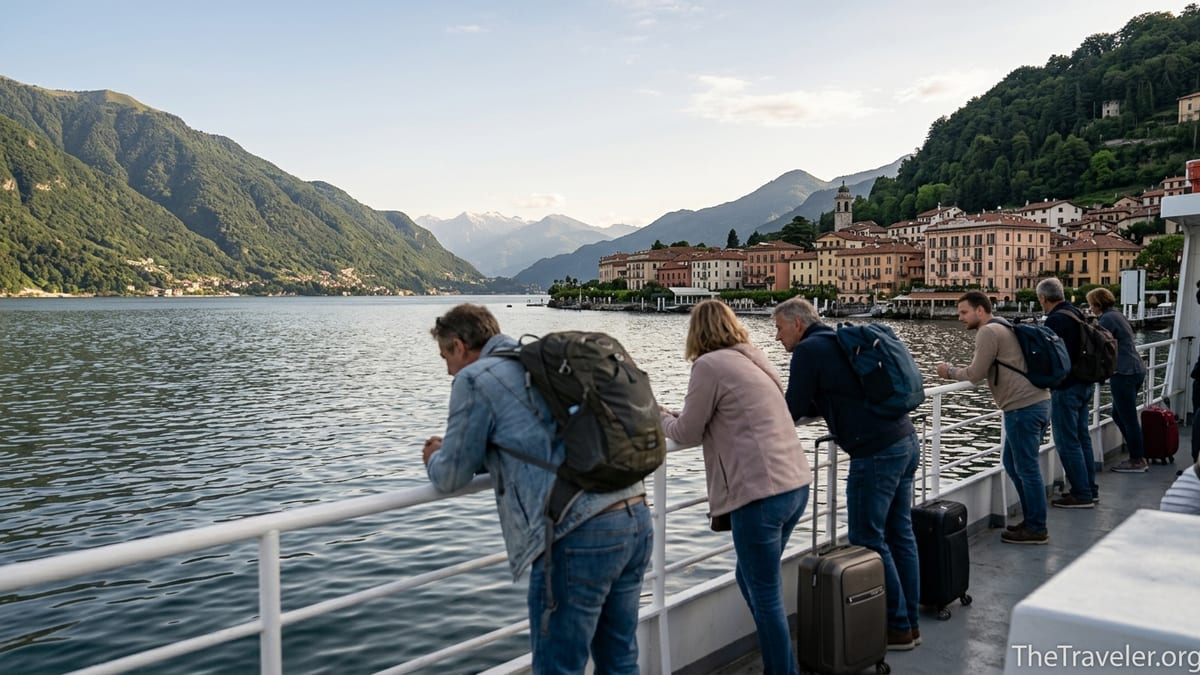
Understanding Your Route Options from Malpensa
Malpensa Airport (MXP), Milan’s main international hub, sits roughly 50 to 80 kilometers from the main Lake Como towns, depending on where you are heading. Como is at the southern tip of the lake, easily linked by train and road. Bellagio lies at the scenic point where the lake splits into two branches and requires at least one change of transport, usually by bus or ferry. Varenna, on the eastern shore, is directly connected by train from Milan after a change in the city.
Practically, this means there is no single "direct" public-transport service from Malpensa to Bellagio or Varenna. You will always combine at least two legs: airport to either Como or Milan, then onward by train, bus, ferry or car. For example, a common path to Varenna is Malpensa Express train to Milano Centrale, then a regional Trenord or Trenitalia train to Varenna-Esino. For Bellagio, a typical route is Malpensa to Como by train via Saronno, then bus or ferry to Bellagio.
You also need to factor in arrival time and luggage. Daytime arrivals offer the most frequent public transport and smoother connections. Late evening flights, or those delayed past 21:00, may mean fewer trains and buses and make a private transfer or rental car more attractive. If you are a group of four with large suitcases landing at 22:00, for instance, the convenience of a pre-booked driver from Malpensa to Bellagio can easily outweigh the extra cost compared with multiple train and ferry legs.
Budget plays a role too. A public-transport journey from Malpensa to Como can cost under 20 euros per person, while a private car directly to Bellagio or Varenna may run 160 to 240 euros or more per vehicle depending on the season, route and provider. Solo travelers or couples with light luggage often prefer trains and ferries, while families or groups with time-sensitive plans tend to value door-to-door transfers.
Fastest and Easiest: Malpensa to Como by Train
For many travelers the most straightforward first step toward Lake Como is reaching the town of Como from Malpensa. The practical way to do this by public transport is to take a Trenord Malpensa Express train to Saronno and change there for a regional train to Como Lago or Como Borghi. Malpensa has rail stations at both Terminal 1 and Terminal 2, with quarter-hourly Malpensa Express services running toward Saronno and Milan, so you rarely wait long for a departing train.
The Malpensa Express from Terminal 1 to Saronno takes about 18 to 20 minutes, with a standard airport ticket around 15 euros when traveling all the way to Milan and lower for shorter sections. From Saronno, the onward train ride to Como Nord Lago is roughly 50 minutes, and combined, the total journey from Malpensa to Como usually falls between 1 hour 20 minutes and 1 hour 40 minutes depending on the connection. Travelers who recently made this route typically report paying around 8 to 10 euros per person for the airport to Saronno leg and a similar amount onward, putting the total public-transport cost well under 25 euros per person in most cases.
At Como Nord Lago station you emerge a short walk from the lakeside promenade and the ferry terminal, with buses and taxis just outside. This makes it an excellent arrival point if you plan to continue by boat to mid-lake villages such as Menaggio, Tremezzo or Bellagio, or if you are staying in Como itself. A concrete example: a couple landing at Malpensa around 11:00 can comfortably catch a midday Malpensa Express, connect in Saronno, and be strolling along Como’s waterfront by mid afternoon.
Travelers should allow for ticket purchase and platform changes. There are ticket machines and staffed counters at the airport station, but in high season lines can form. Buying a Malpensa Express ticket online or at a machine saves time. At Saronno and Como, look for the green-and-white Trenord branding on platforms and monitors. Validation rules can change, but as of mid 2026, electronic tickets purchased through official apps or machines do not require stamping, while some paper regional tickets still do. When in doubt, ask a staff member in a Trenord uniform before boarding.
Reaching Varenna: Train via Milano Centrale
Varenna on the eastern shore of Lake Como is one of the most scenic bases, with colorful houses, lakeside terraces and excellent ferry connections across the lake to Bellagio and Menaggio. The most reliable way to reach Varenna from Malpensa is by train via Milano Centrale. From Malpensa Terminal 1 or 2, board a Malpensa Express service bound for Milano Centrale; the ride typically takes around 50 minutes, slightly more at busy times.
At Milano Centrale, you change to a regional train toward Sondrio or Tirano, getting off at Varenna-Esino. According to recent schedules, these regional trains can take around 1 hour and 3 minutes, and combined journey times from Malpensa to Varenna-Esino are often in the range of 2 hours 15 minutes to just over 3 hours depending on how your connection lines up. Sample prices in mid 2026 show advance one-way fares from about 15 to 25 euros per person when combining the Malpensa Express and regional ticket.
Milano Centrale is a major station, and the change can involve walking between levels, so allow at least 20 to 30 minutes buffer time, especially if you are unfamiliar with the station. A realistic scenario: if you land at Malpensa at 09:30, you might catch a Malpensa Express around 10:30, arrive at Milano Centrale close to 11:20, then connect to a midday regional train to Varenna, arriving early afternoon with enough time to catch a mid-afternoon ferry across to Bellagio or check into your Varenna hotel.
On arrival at Varenna-Esino station, the village and ferry port are about a 10 to 15 minute downhill walk. Taxis are sometimes available but not guaranteed, especially outside busy summer weekends, so be prepared to walk with your luggage. From the Varenna ferry pier, frequent boats cross to Bellagio in roughly 15 minutes and to Menaggio in about 20 minutes, making Varenna both a great base and a highly practical arrival point for exploring mid-lake.
Getting to Bellagio: Combining Train, Bus and Ferry
Bellagio has no train station, which is why reaching it from Malpensa always involves at least one road or ferry segment. The two most common public-transport patterns from the airport are via Como on the western branch of the lake, or via Milano Centrale and Varenna on the eastern branch. Which route is better depends on your arrival time, comfort with buses and ferries, and whether you prefer a gradual lakeside approach or a quicker train-heavy journey.
Via Como, you would typically travel Malpensa to Saronno and on to Como Nord Lago as described earlier. From just outside the Como Nord Lago station, regional buses such as the C30 line usually run up the western shore toward Bellagio, passing villages like Blevio and Nesso along the way. The bus ride can take around 70 to 90 minutes depending on the number of stops and traffic, and tickets are generally only a few euros per person. In the height of summer, buses can become crowded, so many travelers prefer to arrive in Como by late morning rather than at peak afternoon commuter time.
An alternative is to continue from Como by boat. The ferry terminal near Como Nord Lago offers slower passenger boats and faster hydrofoils heading toward Bellagio. Travel times vary from about 45 minutes on the fast service to 2 hours or more on slower, scenic routes that stop at multiple villages. Prices reflect this: a fast boat ticket to Bellagio might be roughly double the cost of a slow boat, but still usually under 20 euros. A typical real-world plan is to take a late-morning train from Malpensa to Como, enjoy lunch in Como’s historic center, then board an afternoon ferry to Bellagio and arrive just before check-in time.
Via Varenna, the journey uses fewer buses and more trains. From Malpensa you go to Milano Centrale by Malpensa Express, take a regional train to Varenna-Esino, then walk to the ferry pier and cross to Bellagio in about 15 minutes. This route is popular with travelers arriving from overseas who want to avoid winding road buses after a long flight. The total journey time from Malpensa to Bellagio via Varenna is usually close to 3.5 to 4 hours door to door, depending on connection timing, and often slightly faster than the all-public-transport route via Como and bus.
Driving, Taxis and Private Transfers
Public transport is not the only way to reach Lake Como from Malpensa. If you value door-to-door convenience, especially with children or bulky luggage, a taxi or private transfer can be worth the price. Official taxis from Malpensa generally charge metered fares based on distance and time. Recent traveler reports suggest a one-way taxi from Malpensa to Como might cost somewhere in the 120 to 150 euro range, while Malpensa to Bellagio or Varenna can rise to 180 to 250 euros or more depending on traffic, time of day and any night or luggage surcharges.
Private transfer companies quoting fixed prices are common in the region. For instance, a pre-booked sedan for two people from Malpensa to Bellagio is often priced around 180 to 220 euros, with a minivan for four to six passengers in the 220 to 280 euro range. For a family of five arriving late in the evening, splitting a 230 euro transfer can work out competitively against multiple train tickets plus taxis and potentially missing the last ferry. Many mid-range and upscale hotels in Bellagio, Varenna and Como can recommend local drivers or partner transfer services if you email them in advance.
Renting a car at Malpensa is a good option if you plan to explore smaller lakeside villages or the surrounding valleys. International brands such as Hertz, Europcar, Avis and Sixt all operate at the airport, often with compact cars starting around 40 to 60 euros per day in shoulder seasons, though insurance, one-way fees and high-season surcharges can significantly increase the total cost. The drive from Malpensa to Como is mostly on motorways and takes about 45 minutes in light traffic, while Malpensa to Bellagio via the A9 and the narrow lakeside road can easily take 1.5 to 2 hours.
Parking is a key consideration. Historic centers and waterfront areas have limited spaces and strict regulations. In Bellagio, many hotels offer a small number of private parking spots, often at a nightly fee, and public parking areas on the hill above town can fill quickly in summer. Varenna and Como also have a mix of street parking and paid garages, each with their own time limits. If your primary goal is to relax in one town and make occasional boat trips, it may be simpler to rely on trains and ferries rather than a rental car.
Choosing the Best Base: Como, Bellagio or Varenna
Your ideal arrival town depends on how you like to travel and what you want from Lake Como. Como, at the southern end, functions as both a lively destination and the region’s transport hub. It offers the most frequent year-round train services, a broader choice of hotels across all price points, and easier access back to Milan or Switzerland. Choosing Como as your base makes arrival from Malpensa straightforward and allows for day trips by ferry to mid-lake areas without constantly changing accommodations.
Bellagio, often called the "Pearl of Lake Como," is more intimate and scenic, with narrow lanes, boutique hotels and sweeping views down both legs of the lake. It is ideal if you value atmosphere and walking distance to restaurants and viewpoints over easy train access. Reaching Bellagio from Malpensa is more involved, but staying there means you are a short ferry ride from both Varenna and Menaggio, which opens up plenty of day-trip options. Many travelers choose to arrive in Como or Varenna for a first night, then continue to Bellagio the next morning when ferry and bus schedules are easier to navigate.
Varenna appeals to visitors who want both romance and practicality. It has its own train station directly linked to Milano Centrale, beautiful lakeside promenades and quick ferry access to Bellagio and Menaggio. For example, if you are planning just three nights on the lake after a city stay in Milan, basing yourself in Varenna lets you step off the train, walk to your hotel, and still enjoy easy access across the lake without worrying about long bus rides back to the airport at the end.
Some visitors create a loop: arrive via Como, spend a night or two, then ferry to Bellagio or Varenna for the remainder of the stay before heading back to Milan by train. This avoids retracing your steps and lets you experience both the larger, more urban feel of Como and the smaller villages further north. Whatever you choose, factor in your departure point. If you have an early morning flight from Malpensa, sleeping the previous night in Como or Milan is often less stressful than trying to make pre-dawn transfers from Bellagio or Varenna.
Sample Itineraries and Timing Tips
To make planning easier, it helps to visualize a few concrete itineraries. Imagine a couple landing from the United States at Malpensa Terminal 1 at 08:30 on a Tuesday in September and heading to Varenna. By the time they clear immigration and collect luggage, it could be 09:30. They buy Malpensa Express tickets to Milano Centrale, board around 10:00 or 10:15, and arrive at Milano Centrale shortly after 11:00. After grabbing a coffee and finding their platform, they catch a midday regional train to Varenna-Esino, arriving early afternoon. From there it is a 10-minute walk to their lakeside guesthouse.
Another example: a family of four lands at 14:00 on a Saturday in July, bound for Bellagio. With checked luggage and summer queues, they might reach the airport train station at 15:00. If they choose the route via Como, they could take a Malpensa Express to Saronno, connect to Como Nord Lago, and arrive in Como around 16:30. A quick taxi ride or 10-minute walk gets them to the ferry terminal for a late afternoon or early evening boat to Bellagio, reaching their hotel around 18:00 or 18:30. If delays push them past the last convenient ferry, a taxi from Como to Bellagio, while more expensive, becomes a useful backup option.
For late-night arrivals, consider staying your first night near Malpensa, in Milan, or in Como rather than pushing on to Bellagio or Varenna after dark. In winter months, when daylight hours are shorter and some ferry services operate less frequently, this approach reduces stress. You might, for instance, book a hotel within walking distance of Milano Centrale, take the last Malpensa Express into the city, sleep there, and catch a morning train to Varenna or Como when connections are simpler and the lake is visible.
Finally, build in margin for the unexpected. Italian rail services are generally reliable, but engineering works or delays can affect evening trains, particularly in shoulder seasons and on certain nights when maintenance is scheduled between Saronno and Malpensa. Checking same-day schedules on Trenord or Trenitalia, or using a real-time journey planner, allows you to adjust quickly if a direct connection is canceled or replaced by a bus. Having a backup plan, such as an approximate taxi fare or alternate route, can turn a potential problem into just another part of the adventure.
The Takeaway
Traveling from Milan Malpensa to Lake Como is rarely a single-step journey, but with a bit of planning it can be efficient, scenic and even enjoyable. Como works best if you want the simplest rail access and an easy base for ferries. Varenna is the smart choice for those who prefer train travel and dream of waking up in a postcard-perfect village with quick ferry hops to Bellagio and Menaggio. Bellagio itself rewards travelers willing to make one extra connection by bus or boat.
For most visitors arriving during the day, combining the Malpensa Express with regional trains and ferries offers an excellent balance of cost and comfort. Private transfers and taxis come into their own for late arrivals, tight schedules or groups where convenience matters more than budget. Whatever route you choose, allow extra time for connections, keep an eye on the latest local timetables, and treat the journey as part of your Lake Como experience rather than an obstacle on the way to it.
FAQ
Q1. How long does it take to get from Malpensa Airport to Lake Como?
For Como town, total travel time by train via Saronno is typically 1 hour 20 minutes to 1 hour 40 minutes. Reaching Varenna or Bellagio via Milano Centrale and ferry usually takes around 3 to 4 hours door to door, depending on connections and waiting times.
Q2. What is the cheapest way to travel from Malpensa to Como, Bellagio or Varenna?
The lowest-cost options combine the Malpensa Express with regional trains and, where needed, buses or ferries. Malpensa to Como via Saronno often costs under 25 euros per person in total, while Malpensa to Varenna via Milano Centrale plus a short ferry to Bellagio usually stays below 35 to 40 euros per person, depending on season and booking method.
Q3. Is it worth booking a private transfer from Malpensa to Lake Como?
Yes, for late-night arrivals, travelers with heavy luggage or groups of four or more, a private transfer can be very convenient. While prices of 180 to 250 euros for a car or minivan from Malpensa to Bellagio or Varenna are common, splitting that cost among several people can compare reasonably with multiple train tickets and taxis, especially when schedules are tight.
Q4. Should I base myself in Como, Bellagio or Varenna?
Choose Como for the easiest rail access and wider city services, Bellagio for classic lakeside charm and central position between the two branches, and Varenna for a balance of romance and practicality thanks to its direct train link to Milano Centrale and short ferry rides to Bellagio and Menaggio.
Q5. How late do trains and ferries run on Lake Como?
Regional trains from Milano Centrale to Como and Varenna generally operate into the evening, but frequencies drop after about 20:00 and some late trains can be affected by scheduled maintenance. Ferries between mid-lake towns like Bellagio, Varenna and Menaggio usually run later in summer than in winter. It is safest to check same-day timetables and avoid planning tight last ferries after long-haul flights.
Q6. Is driving from Malpensa to Lake Como difficult for visitors?
The motorway sections from Malpensa toward Como are relatively straightforward, but the narrow, winding roads along the lake itself can be stressful if you are unused to Italian driving and tight village streets. Parking in Bellagio, Varenna and central Como is limited and often paid. Renting a car is most worthwhile if you plan to explore multiple villages and nearby valleys rather than staying in one lakeside town.
Q7. Can I go directly from Malpensa to Bellagio by public transport?
There is no single direct bus or train. The quickest public options are usually Malpensa to Como via Saronno and then bus or ferry to Bellagio, or Malpensa to Milano Centrale, then train to Varenna and ferry across. Both involve at least one change of train and one change to boat or bus.
Q8. What should I do if my flight is delayed and I miss the last easy connection?
If a delay pushes you past the last convenient train or ferry, consider staying overnight near Malpensa, in Milan or in Como and continuing to Bellagio or Varenna the next morning. As a backup, you can ask airport information or your accommodation about approximate taxi or private transfer costs for a same-night pick-up, then decide based on budget and how tired you feel.
Q9. Can I buy train and ferry tickets on the day of travel?
Yes, most travelers buy regional train, bus and ferry tickets on the day. Ticket machines and counters at Malpensa, Milano Centrale and Como usually sell same-day tickets, and ferry tickets are commonly purchased at the pier. Buying in advance can be helpful in peak season or for long-distance or high-speed trains, but it is not strictly necessary for most regional Lake Como services.
Q10. Is it realistic to travel from Malpensa to Lake Como on arrival day after a long-haul flight?
It is realistic, but you should plan conservatively. Allow extra time for immigration and luggage, choose routes with simple changes like Malpensa to Milano Centrale to Varenna, and avoid last departures of the day if possible. If your flight arrives very late or you are concerned about jet lag, staying one night in Milan or Como and continuing to the lake the next morning can make for a far more relaxed start to your trip.