


More news on this day
Australia, New Zealand and Japan have each issued tougher warnings for travel to Saudi Arabia following a wave of missile and drone attacks on Riyadh’s King Khalid International Airport that have killed and injured hundreds of people in recent days.
Get the latest news straight to your inbox!
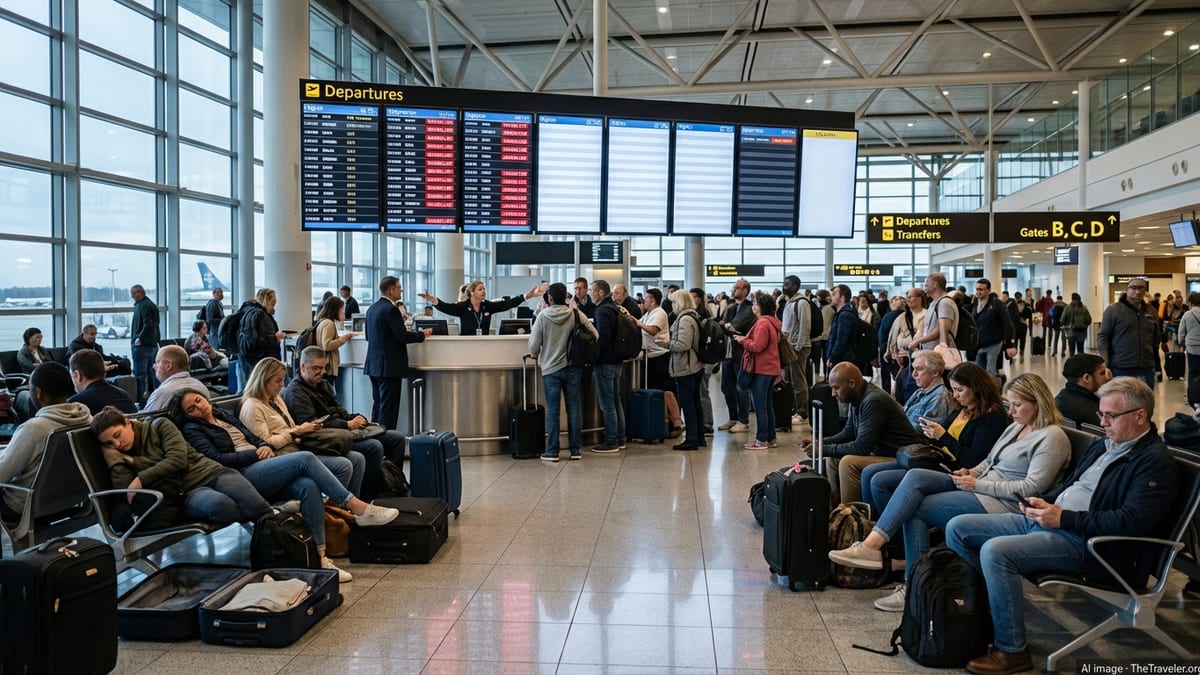
Deadly airport strikes trigger rapid advisory updates
The latest advisories follow a series of attacks on King Khalid International Airport in Riyadh during early October 2026, including a missile strike on October 10 that local and international coverage reports as killing at least 12 people and injuring more than 300. A further projectile hit a passenger terminal the next day while the airport remained shut to commercial traffic, adding to concerns about the vulnerability of civilian infrastructure.
Published reporting links the strikes to Iran-aligned Houthi forces operating from Yemen, which have previously threatened to target Saudi airports and energy installations. Regional media describe the October 10 attack as the deadliest incident of its kind in Saudi Arabia in more than a decade, prompting scrutiny of air defences and emergency procedures at one of the kingdom’s busiest gateways.
Since the airport has been struck multiple times in less than a week, Riyadh’s main hub has suspended passenger operations, and airlines have been forced to reroute or cancel services at short notice. Travellers connecting through Saudi Arabia have faced disrupted itineraries, while governments reassess the risk to their citizens transiting the country or staying for work and pilgrimage.
Australia raises risk level and flags Saudi airports
Australia’s Smartraveller platform now lists Saudi Arabia with an overall advice level of “Reconsider your need to travel,” with the most recent update dated 14 October 2026. The advisory highlights the deteriorating security environment, citing recent missile and drone activity directed at civilian and energy infrastructure, including airports in Riyadh and other locations.
In detailed guidance specific to aviation, publicly available information on Smartraveller urges travellers to reconsider their need to travel to Saudi airports and to monitor airline updates closely before heading to any terminal. The advice notes that filming or photographing critical infrastructure, military operations or visible missile and drone activity is prohibited in Saudi Arabia and can lead to arrest or prosecution, a point aimed at visitors accustomed to documenting their journeys on phones and cameras.
Australian travellers are encouraged to maintain flexible plans and to be prepared for sudden changes to flight schedules into or over Saudi airspace. Insurance policies and ticket conditions are flagged as key documents to review, since some providers treat conflict-related incidents differently from routine operational disruptions.
New Zealand issues “Do not travel” warning for Riyadh airport
New Zealand’s SafeTravel service has moved to some of the strongest language currently in use among partners for Saudi Arabia. The dedicated country page, updated on 14 October 2026, now describes the security situation as “highly volatile” and advises New Zealanders to consider options for leaving the kingdom when it is safe to do so.
The advisory explicitly states that civilian infrastructure, including airports, has been the target of recent strikes and refers to threats of further attacks on Riyadh. In a specific instruction on air travel, SafeTravel warns New Zealanders not to travel to King Khalid International Airport and notes that all services there have been suspended due to repeated strikes during October. Instead, travellers are advised to look at private car, train or bus options to alternative hubs in neighbouring Oman, Qatar and the United Arab Emirates if departure from Saudi Arabia is required.
Separate SafeTravel material for New Zealanders undertaking the Hajj pilgrimage in 2026 remains available, but the heightened alert for the country as a whole now sits alongside that guidance. Authorities in Wellington have also reiterated longstanding recommendations that citizens in affected regions register their presence, enabling consular staff to push out alerts if the situation worsens.
Japan warns citizens of continuing Houthi threat
Japan’s Ministry of Foreign Affairs has also tightened its messaging on Saudi Arabia, with new safety notices in Japanese focusing on the risk of further Houthi attacks. An alert issued in early October 2026 draws attention to ballistic missile and drone strikes against Saudi targets and advises Japanese nationals to exercise extreme caution, keep abreast of local developments and avoid non essential travel to locations considered potential targets.
In a separate statement dated 11 October 2026, Foreign Minister Toshimitsu Motegi condemned the recent attacks on Saudi territory, highlighting that publicly available reports attribute at least 12 deaths and more than 300 injuries at King Khalid International Airport to the October 10 strike alone. The ministry’s online security information notes previous security incidents in Saudi cities such as Jeddah, and urges Japanese citizens to stay in contact with the embassy in Riyadh or the consulate general in Jeddah if they require assistance.
Japan has longstanding political and economic ties with Saudi Arabia, particularly in energy, and its updated advisories reflect concern for business travellers and expatriate workers as well as short term visitors and pilgrims. The notices emphasise that the security situation can change rapidly and that routes considered safe on one day may not be recommended the next.
Travellers weigh alternative routes and contingency plans
For travellers from Australia, New Zealand and Japan, the tightened advisories are already influencing routes across the broader Middle East. New Zealand’s focus on overland connections to hubs in Muscat, Doha and Dubai illustrates how some governments now favour exit plans that bypass Saudi airports entirely while the current wave of attacks continues.
Travel industry commentary indicates that airlines are adjusting schedules into Riyadh and, to a lesser extent, Jeddah, while keeping other regional networks under review. Passengers with upcoming trips that include Saudi stopovers are being urged to check booking portals regularly, confirm departure and arrival airports, and be prepared for last minute changes such as diversions to alternative cities.
Governments in Canberra, Wellington and Tokyo continue to discourage non essential travel to Saudi Arabia for leisure. For those who must travel, publicly available guidance uniformly stresses careful planning, close monitoring of official advisories, and readiness to change or abandon itineraries if missile and drone activity intensifies around key transport hubs.