


Among frequent travelers who bank internationally, the HSBC Premier World Elite Mastercard has an almost mythical reputation. It is often praised in forums as a secret weapon for airport lounges, luxury hotel stays and generous travel credits. Yet when you talk to actual cardholders in New York, London or Hong Kong, a surprising pattern emerges: many are leaving hundreds of dollars of value unused each year, or worse, assuming they are protected in situations where the card quietly offers no coverage. Understanding where the real benefits begin and end can be the difference between a seamless trip and an expensive disappointment.
Get the latest updates straight to your inbox!
The Confusion Around “Premier,” “Elite” and World Elite Branding
One of the biggest sources of misunderstanding starts with naming. HSBC issues several premium cards across different countries, and the words “Premier,” “Elite” and “World Elite Mastercard” do not always describe the same product. In the United States, HSBC’s current flagship for globally mobile clients is the HSBC Elite World Elite Mastercard, which sits above the HSBC Premier World Mastercard in the lineup. In the United Kingdom, there is a separate HSBC Premier World Elite Mastercard that targets Premier banking customers and carries a fee quoted in pounds. For a traveler who moves between New York and London, the plastic in their wallet might look similar at first glance, yet the benefits are tied to the country where the card was issued, not where you are flying that week.
Consider a US-based client who opens an HSBC Premier relationship in California and receives the HSBC Elite World Elite Mastercard. They later relocate to the UK and qualify for HSBC Premier there as well. Unless they explicitly apply for the UK Premier World Elite card, their US-issued Elite card keeps its US benefits schedule, even if every upcoming trip departs from Heathrow. That means their travel credits, lounge access rules and purchase protections follow US terms, while a colleague with the UK-issued Premier World Elite card will see different earning rates, different annual fees and a separate lounge program structure. Many travelers assume that the World Elite logo on the front of the card guarantees the same set of perks worldwide, when in reality only the core Mastercard World Elite layer is consistent, while HSBC-specific extras differ by market.
This nuanced distinction matters in practical ways. If you read about a 40,000-point welcome bonus in a UK-focused review, you cannot assume the same bonus is available with the US product, even though both cards share the word “Premier” and the World Elite badge. Similarly, a Malaysian or Australian HSBC Premier World Mastercard may emphasize bonus points on overseas spend and access to specific lounges like Plaza Premium or DragonPass, while the US Elite version leans heavier on statement credits tied to an HSBC travel portal and rideshare spend. For a traveler trying to strategize which card to use on a long multi-country trip, paying attention to the country of issue is just as important as the “World Elite” branding itself.
The Myth of Unlimited “Free” Lounge Access
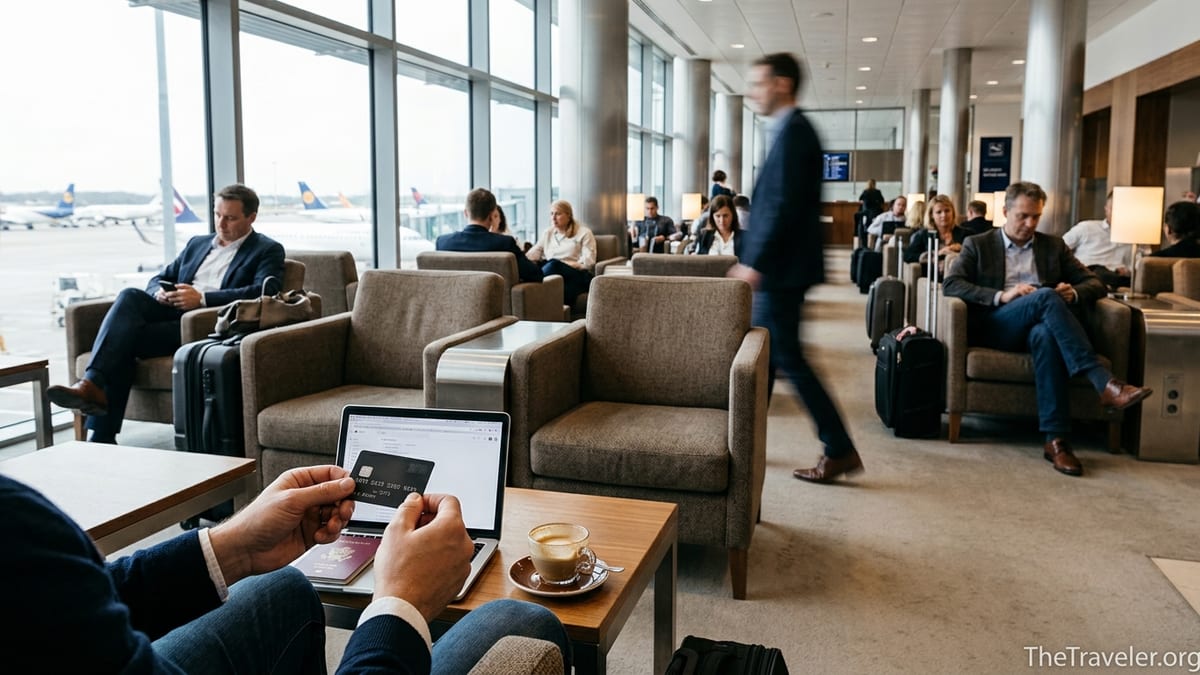
Airport lounge access is where expectations and reality most often collide. Many HSBC Premier World Elite cardholders hear phrases like “unlimited lounge access with Priority Pass” and mentally translate that into free, no-strings-attached entry for themselves and everyone they are traveling with. In practice, the actual experience can be more nuanced. The HSBC Elite World Elite Mastercard in the US provides complimentary membership in Priority Pass, a third-party lounge network that partners with more than a thousand lounges and airport restaurants worldwide. The key detail is that the membership type and guest policy are defined in HSBC’s own benefit guide, not by Priority Pass marketing aimed at members who pay cash for their subscription.
Imagine a family of four departing from Miami on a summer trip to Madrid. The primary cardholder has activated their Priority Pass digital card through the HSBC link and sees that they have complimentary access for themselves and up to two guests per visit. That will comfortably cover both parents and one child. The surprise hits when the lounge desk in Miami explains that the third guest counts as an extra and will incur a per-visit charge that is automatically billed to the HSBC card, often around the equivalent of a modest airport meal. In another scenario, a cardholder might book a ticket for a friend on the same itinerary, assuming that friend can also walk into the lounge as a guest, only to discover that crowded lounges in places like London or Singapore enforce stricter guest limits during peak hours, even for Priority Pass members.
There is another wrinkle that catches frequent travelers off guard: access is not universal even when the Priority Pass logo appears prominently. Certain US airport lounges have time limits, such as admitting Priority Pass members only three hours before departure, while others restrict access completely during busy morning or evening banks of flights. A traveler on an early connection through Dallas may find the Priority Pass lounge closed to them during the exact window they hoped to use to shower and catch up on email. The card technically delivered what was promised, but the real-world experience felt like a denial. This leads some cardholders to assume that HSBC or Mastercard changed their benefits, when the limitation actually sits with the individual lounge operator and the Priority Pass program rules.
To avoid disappointment, savvy HSBC Premier World Elite users now treat lounge access as a strong “nice-to-have” rather than a guaranteed pre-flight ritual. Before a trip, they quickly check which Priority Pass lounges or partner restaurants exist in their departure and connection airports and pay attention to notes on guest fees and restricted hours. For example, when flying from Los Angeles to Tokyo, it is worth looking up whether your preferred terminal offers a contract lounge that accepts Priority Pass during overnight departures. That small bit of homework helps align expectations and ensures that when the card does unlock a quiet workspace and free snacks between flights, it feels like a win instead of an entitlement that sometimes mysteriously vanishes.
Travel Credits: Powerful, But Easier to Miss Than You Think
The next area where travelers routinely leave money on the table is the card’s collection of travel and lifestyle credits. The US-issued HSBC Elite World Elite Mastercard has recently leaned into a structure that provides value back over the course of the year rather than in one lump sum. A core piece is an annual travel credit for airfare, hotels and car rentals booked through HSBC Travel powered by a major online travel agency engine. The advertised total can be substantial when fully used, yet it requires cardholders to remember to book through the designated portal and pay attention to how credits are triggered and posted as statement adjustments.
Picture a frequent flyer in Boston who books most of their trips directly with airlines. They plan a winter getaway to Lisbon and spend around 900 dollars on flights and another 700 dollars on a boutique hotel. Because they value oneworld elite status and flexible cancellation policies, they buy both the air ticket and the hotel stay directly from the airline and the property’s website. Later, flipping through a blog about HSBC Elite, they discover that they could have earned up to several hundred dollars in annual travel credits if those purchases had run through the HSBC Travel portal instead. Since credits usually only apply to eligible bookings made on that specific platform, and often on prepaid nonrefundable rates, their carefully optimized direct bookings did not trigger anything. The net effect is that a meaningful chunk of the card’s effective rebate was never realized.
Monthly rideshare credits are another commonly misunderstood perk. The US Elite World Elite Mastercard currently provides up to a small fixed amount in statement credits each month when the card is used to pay for taxis, cabs or rideshare services such as Uber and Lyft. The structure is “use it or lose it” and capped per calendar month. That means a traveler who racks up 80 dollars of Uber charges during a single work trip in March cannot retroactively claim the unused credits from slower months like January or February. In practice, maximizing this benefit can be as simple as setting the HSBC card as the default payment method in your chosen rideshare app, even for occasional local rides to dinner or the grocery store when you are not traveling.
Security screening credits tied to programs like Global Entry, TSA PreCheck, NEXUS or CLEAR also generate confusion. The Elite card typically offers up to a certain amount every 54 months toward one application fee, not an unlimited pool for family members. For example, a traveler in Chicago might assume they can use their card to cover both their partner’s and teenager’s Global Entry applications in the same year. In reality, the automated credit usually applies only once in the designated period. Additional family applications may still be paid with the card but will not trigger more credits. Understanding this time limit allows cardholders to plan ahead, perhaps using the HSBC credit for the family member who travels internationally the most, while leveraging another premium card in the household that offers a similar trusted traveler reimbursement for the next applicant.
World Elite Mastercard Protections vs HSBC-Specific Insurance
Another area where misunderstandings can be costly lies in the overlap between Mastercard’s own World Elite protections and the extra insurance that HSBC layers on top. The World Elite platform in North America commonly includes benefits such as trip cancellation and interruption coverage, certain rental car collision damage waivers, purchase protection for damaged or stolen items, and extended warranty on eligible purchases. These protections are administered through third-party underwriters and accessed via a benefits portal or a dedicated phone line. HSBC’s program guides for the Premier and Elite cards then add their own framing and sometimes additional coverage elements, which can vary by year as contracts are renewed.
A frequent flyer based in San Francisco might assume that paying for any rental car abroad with their HSBC Elite card automatically covers all damage, without needing to purchase the rental company’s collision damage waiver. This is often true for many sedans and standard SUVs in destinations like Spain or Canada, but the fine print may exclude certain territories, premium brands or very large vehicles. For example, rentals in a handful of countries may not be eligible, or coverage might exclude high-end marques even when they appear on the booking site. Likewise, some policies require the cardholder to decline the rental agency’s own collision waiver and be listed as the primary renter. Swiping the card to pay for a friend’s rental where you are not the named driver can leave a gap in coverage that only becomes glaringly obvious after an accident.
Trip delay and lost baggage benefits are another common area of confusion. Many HSBC Premier World Elite cardholders hear the term “travel insurance” and picture full medical evacuation, emergency hospital coverage and cash compensation for any missed connection. In reality, World Elite benefits are usually narrower and aimed at reimbursing reasonable expenses such as overnight hotel stays, meals and toiletries when a covered delay crosses a specific threshold in hours. For medical emergencies abroad, HSBC customers often need separate travel insurance policies from specialized providers, especially if they are heading to countries where private medical care or air ambulance services can run into tens of thousands of dollars for a single incident.
To make these protections work in real life, experienced travelers now download the latest certificate of insurance and benefits guide tied to their specific card version before a big trip. That way, when a snowstorm strands them in Denver overnight, they know whether the delay length qualifies and which receipts to keep. In one real-world example, a HSBC Elite cardholder flying from Newark to Reykjavik faced a long weather delay that forced an unexpected airport hotel stay and meal purchases. Because they had reviewed the coverage limits beforehand, they confidently booked a modest airport hotel and kept all receipts, then filed a claim through the Mastercard benefits portal upon returning home. Within a few weeks, they received a reimbursement that effectively turned the frustration into a nearly free extra night before their Iceland adventure.
Points, Partners and Realistic Redemption Expectations
Rewards earning is often marketed as a major selling point of the HSBC Premier World Elite and Elite variants, yet the way those points translate to real-world travel is not always intuitive. HSBC structures its reward currency so that points can be redeemed as statement credits, used for travel bookings through its portal, or transferred to a handful of airline and hotel loyalty programs. For travelers who are used to the sprawling partner networks of programs like American Express Membership Rewards or Chase Ultimate Rewards, HSBC’s partner list can feel more niche, with particular strength in certain Asian and European carriers.
This leads to a common misunderstanding: assuming that every dollar of spend will easily turn into premium cabin award flights that rival the best-known transferable currencies. A consultant based in Los Angeles might put 50,000 dollars of reimbursable work expenses on their HSBC Elite card over the course of a year, expecting that the resulting points will effortlessly fund a business class ticket from San Francisco to Hong Kong. Depending on the specific transfer partner and award chart, those expectations may or may not be realistic. In some cases, points redeemed through the HSBC travel portal for a straightforward cash fare in economy or premium economy can yield more consistent value, particularly during sales on transatlantic or transpacific routes.
Redemption experience can also vary by geography. A Hong Kong based traveler might find excellent value transferring HSBC points to a regional carrier to book short-haul business class flights within Asia, while a US-based traveler focusing on domestic trips may see fewer sweet spots. The key to avoiding disappointment is to treat HSBC points as one pillar of a broader rewards strategy rather than a one-card solution. Some savvy clients pair their HSBC Premier or Elite card with a no-foreign-transaction-fee Visa or American Express product to broaden acceptance and points flexibility, choosing on a trip-by-trip basis which card offers the best combination of earning rate, travel protections and redemption options down the line.
Real-world examples help clarify the trade-offs. Suppose you earn enough HSBC points for roughly 400 dollars of value when redeemed through the travel portal. You are planning a fall trip from Chicago to Rome and find that economy fares hover around 650 dollars while business class tickets run several thousand. Redeeming points for a 400 dollar reduction on the economy ticket might be the most straightforward and reliable use, especially if your travel dates are fixed. On the other hand, if you are flexible and keep an eye on partner award charts, transferring those points to an airline for an off-peak business-class award could unlock a dramatically more luxurious experience, at the cost of more research and less date flexibility. Understanding these dynamics helps Premier World Elite cardholders avoid dreaming of outsized redemptions that may not align with their real-world travel patterns.
How to Actually Maximize the Card on a Real Trip
When the benefits are understood clearly and applied deliberately, the HSBC Premier World Elite and Elite World Elite Mastercard can be powerful companions on international journeys. Picture a frequent traveler based in New York who splits time between the US, Europe and Asia. Before a spring trip from JFK to Tokyo via Los Angeles, they log in to the HSBC Travel portal and book a prepaid hotel package in Shinjuku that qualifies for part of their annual travel credit. They pay with the Elite card, then use a lower-fee online portal to purchase the flight itself, consciously deciding that the flexibility and airline status earning on the ticket outweigh the incremental portal rebate they would have received by channeling the air fare through HSBC Travel as well.
On departure day, they arrive at JFK with time to spare and open their Priority Pass app to confirm which lounges accept their membership in their specific terminal. Finding a contract lounge that welcomes Priority Pass, they check the hours and note that guests are allowed but may incur a fee beyond a certain number. Because they are traveling solo this time, there is no risk of surprise guest charges. During their Los Angeles connection, they repeat the process, quickly scanning for nearby lounges before deciding whether it is worth the walk compared to grabbing a quiet corner in the main terminal. At both airports, they treat lounge access as a bonus rather than an essential part of the journey, so if the lounge is temporarily at capacity they can shrug and move on without feeling that a promised perk has evaporated.
Throughout the trip, the traveler routes most local rides in Tokyo through a rideshare partner that codes as eligible ground transportation and makes sure their HSBC card is the default payment method. This quietly picks up monthly statement credits that offset metro rides and short taxi hops after a long evening out in Shibuya. For a side trip to Kyoto, they book a rental car for a day in the countryside and decline the rental agency’s collision damage waiver after confirming that their card’s World Elite coverage applies in Japan for the class of vehicle they’ve chosen. They keep the rental agreement and fuel receipts together in case an incident requires a claim later.
Finally, when a return flight delay in Los Angeles stretches past the minimum number of hours required for trip delay coverage, they use the Elite card to pay for an airport hotel and modest meals. Knowing the policy terminology from a quick pre-trip read, they keep all invoices and later submit a claim through the Mastercard benefits portal. The result is a reimbursement that turns a frustrating overnight delay into a manageable inconvenience. Taken together, the traveler has quietly recouped the card’s annual fee through a mix of lounge access, credits and protections, not because of any secret loophole, but because they took the time to understand the limits of each benefit and plan around them.
The Takeaway
Most of the disappointment and confusion around the HSBC Premier World Elite and Elite World Elite Mastercard family does not come from the benefits being weak, but from expectations that do not match the underlying rules. The label “World Elite” is powerful branding, yet it sits atop layers of country-specific HSBC features, third-party lounge networks and insurance contracts that evolve over time. Travelers who assume that any card with a black design and an upscale name will offer unlimited free lounge visits, full-spectrum travel insurance and effortless premium cabin redemptions are likely to be underwhelmed when reality intrudes during a busy connection or a disrupted trip.
The travelers who truly get value from these cards tend to approach them like any other travel tool. They check the latest benefits guide for their country of issue before a major trip, activate and test their Priority Pass or DragonPass credentials, and note calendar reminders to make use of portal-based travel credits and monthly rideshare offsets. They recognize that rewards points may offer the best value when combined with other currencies or redeemed pragmatically for solid economy fares instead of chasing elusive aspirational awards. Most importantly, they treat card-based insurance as a helpful layer rather than their only safety net, supplementing it with dedicated medical or evacuation coverage when heading somewhere remote.
For globally mobile HSBC clients, the Premier World Elite and Elite World Elite Mastercard can still be a compelling centerpiece of a travel wallet. The key is to replace myths with clear-eyed understanding. Once you know exactly what your specific card does and does not do, you can plan each trip so that the perks quietly work in the background, cushioning delays, smoothing airport transits and trimming costs without any unpleasant surprises at the check-in desk.
FAQ
Q1. Is lounge access with the HSBC Premier World Elite or Elite World Elite Mastercard really unlimited and free?
In many cases you receive complimentary Priority Pass or similar membership with a generous visit policy, but guest access, visit limits and peak-time restrictions can still apply. You should always check the latest HSBC benefit guide and the specific lounge’s rules so you are not surprised by guest fees or capacity controls at busy airports.
Q2. Do all HSBC Premier and Elite cards around the world offer the same travel benefits?
No. Benefits depend heavily on the country where your card is issued, even if the cards share the words “Premier,” “Elite” or the World Elite Mastercard logo. A US-issued Elite card, a UK-issued Premier World Elite card and an Australian Premier World Mastercard each follow different fee structures, earning rates and lounge or insurance arrangements.
Q3. Can I rely on my HSBC Premier World Elite card as my only travel insurance when I go abroad?
The card’s World Elite protections and HSBC-specific insurance can be valuable for delays, trip interruption, rental cars and certain purchases, but they usually do not replace comprehensive medical or evacuation coverage. For trips to destinations with expensive private healthcare or adventure activities, separate travel insurance from a specialist provider is still advisable.
Q4. How do the travel portal credits on the HSBC Elite World Elite Mastercard actually work in practice?
Eligible US cardholders receive a set amount in statement credits each year for bookings made through the HSBC Travel portal, typically covering prepaid airfare, hotels or car rentals. To use this, you must book through the designated platform and pay with your Elite card. Credits then appear as offsets on your statement, usually after the transaction posts, and cannot be triggered on bookings made directly with airlines or hotels.
Q5. What is the best way to use the monthly rideshare credits so I don’t waste them?
Because the rideshare credits are capped each month and do not roll over, the simplest move is to set your HSBC Elite or Premier card as the default payment method in your rideshare or taxi apps. That way, even short local rides when you are not traveling can automatically trigger the credit instead of letting it expire unused.
Q6. Are HSBC reward points better used through the travel portal or transferred to airline partners?
It depends on your travel patterns and flexibility. Using points through the portal often provides predictable value toward economy or premium economy tickets on fixed dates, while transferring to airline partners can unlock higher-value redemptions for business or first class if you are flexible and willing to search award space. Many travelers mix both approaches depending on the trip.
Q7. If my family travels with me, will all of us be covered by the card’s rental car and trip delay protections?
Coverage rules vary, but generally the primary cardholder must pay for the rental or eligible trip with the card, and immediate family members traveling together may be included for certain benefits. However, the definitions of “covered person,” eligible relationships and maximum payouts are detailed in the insurance certificate, so reviewing that document before a family trip is important.
Q8. Do I have to book flights through the HSBC Travel portal to get travel insurance coverage from the card?
In most cases, card-based insurance such as trip delay, trip interruption or rental car coverage is triggered when you use the card to pay for all or part of the eligible travel, regardless of whether you booked through the HSBC Travel portal or directly with an airline. The portal is usually only required for earning specific statement credits or bonus rewards, not for activating the insurance itself.
Q9. How can I quickly check what my specific HSBC Premier or Elite card covers before a trip?
The most reliable method is to download the latest rewards and benefits brochure and the separate insurance certificate for your exact card version and country of issue. Reviewing the sections on lounge access, travel credits, earning rates and insurance exclusions for fifteen minutes before a major trip often prevents frustration later on.
Q10. Is the HSBC Premier World Elite or Elite World Elite Mastercard worth it if I already have other premium travel cards?
It can be, especially for globally mobile clients who value no foreign transaction fees, Priority Pass access and the mix of portal-based travel credits and rideshare rebates. However, you should compare its annual fee and benefit mix with cards you already hold to avoid duplication, and decide whether HSBC’s points ecosystem and protections genuinely add something unique to your travel strategy.