


I thought I knew what to expect from a high-end tour operator: polished hotels, a smooth itinerary, maybe the odd upgrade if the stars aligned. What I did not anticipate with Abercrombie & Kent was the sheer intensity of personal service. It was not one grand gesture, but a series of small, thoughtful interventions, from the first planning call to the final airport goodbye, that made the trip feel less like a package tour and more like being looked after by an invisible team that knew us almost uncomfortably well.
Get the latest updates straight to your inbox!
From First Phone Call to Bespoke Itinerary
The personalization with Abercrombie & Kent starts long before you ever step on a plane. On my first call with a consultant, I expected a standard sales script. Instead, I was asked detailed, almost disarming questions: how I like to spend a jet-lagged afternoon, whether I am the kind of traveler who photographs every meal or skips lunch to keep exploring, and how much “unscheduled time” makes me anxious. Those answers translated directly into the shape of the itinerary, from later-morning starts after long-haul flights to strategically placed café stops in neighborhoods that matched our interests rather than a guidebook checklist.
This approach is very much by design. Abercrombie & Kent emphasizes that every private journey is bespoke, built around travelers’ specific interests rather than a rigid template, and they back that promise with an internal network of destination specialists who live or work extensively in the places they sell. On a recent trip to Japan, for example, our consultant spoke easily about which Kyoto ryokans were more formal and which would better suit our preference for a low-key, contemporary feel, drawing on feedback from their local office rather than a general brochure description.
What surprised me most was how collaborative the planning process felt. Over several weeks, our draft itinerary went back and forth: we swapped a day trip to Nara for more time in Tokyo’s smaller galleries, replaced a generic “cultural show” with an evening at a tiny jazz club in Shibuya, and shifted a bullet train departure to avoid the commuter crush. None of those changes incurred the usual friction or hidden fees that often appear with one-off requests. The consultant treated these tweaks as the normal rhythm of building a trip, not as bothersome exceptions.
The result, by the time the final documents arrived, was not an off-the-shelf package but something unusually specific to us. Other travelers report similar experiences, from history buffs whose Rome itineraries include archaeological sites not open to the general public, to families whose safaris are timed around children’s jet lag and energy levels rather than sunset cocktails. The through-line is a level of pre-trip personalization that feels closer to commissioning a custom suit than buying a standard tour.
Invisible Hands On the Ground
The second surprise was how closely that personalization carried through once we were actually traveling. Many tour operators promise “24/7 support” and a “local team,” but in practice that often means a generic emergency number and a rep who appears on the first and last day. Abercrombie & Kent’s model is different. Behind every itinerary sits a local office and what the company calls “guardian angels” who quietly monitor each journey, adjusting logistics in real time when the unexpected happens.
In South Africa, for example, a couple I met in Cape Town told me their connecting flight from Johannesburg was severely delayed, threatening to wipe out their first game drive in the Sabi Sand reserve. While they were still in the air, A&K’s local team had already rebooked their transfer, informed the lodge, pushed back their welcome briefing, and arranged a shorter, private evening drive so they would not miss their first chance to see wildlife. By the time they landed, the updated plans were waiting in a printed note with their driver, along with a gentle suggestion that they might prefer a lighter dinner after the long travel day.
On our own journey in Japan, a spring storm disrupted Shinkansen schedules on the very day we were slated to travel from Kyoto to Kanazawa. Before we had even started worrying about the timetable boards, our guide received a message from the A&K office with alternative train options and a backup private transfer if the line shut down entirely. We ended up leaving an hour earlier on a different service, and the hotel in Kanazawa adjusted our check-in so the room was ready on arrival. It all felt uncannily smooth, as if the delays had been part of the plan from the beginning.
This is where the company’s global network becomes tangible rather than theoretical. With more than 60 offices worldwide, they have staff on the ground who know which alternative routes are realistic, which local partners can step in at short notice, and when to quietly upgrade a transfer or arrange early check-in to prevent a small disruption from turning into a ruined day. The service is not about constant hand-holding, but about eliminating friction before you even see it.
Guides Who Feel More Like Hosts Than Hired Experts
Personal service is only as good as the people who deliver it face to face, and here too Abercrombie & Kent exceeded expectations. Our guides did all the things you would expect from a top-tier operator: they were punctual, deeply knowledgeable, and adept at navigating both crowds and bureaucracy. What stood out, however, was their ability to read our moods and adjust the experience accordingly.
On a walking tour of Kyoto’s Higashiyama district, our guide noticed that we were lagging behind, more absorbed in photographing backstreet details than in ticking off the next temple. Without making a big announcement, she cut one minor shrine from the schedule and redirected us down a quiet lane lined with traditional wooden townhouses, pointing out a small coffee shop known for its single-origin drip brews. We spent half an hour there chatting about daily life in Kyoto instead of racing to the next landmark, and the day was richer for it.
Similarly, a family traveling with A&K in Kenya recounted how their safari guide rearranged game drives when he realized their teenage son was more excited about photography than early-morning wake-up calls. He shifted their main drive to late afternoon, when the light was better for photography, and arranged a private vehicle so the teenager could have the best vantage point without jostling for space. That kind of flexibility requires both authority and initiative on the ground, something Abercrombie & Kent invests heavily in through long-term relationships with local experts.
There is also a subtle difference in tone. The best A&K guides behave less like lecturers and more like well-connected hosts, able to open doors that solo travelers would struggle to access. In Peru, for instance, travelers on a tailor-made itinerary might find themselves having a private conversation with a local chef in Lima’s Barranco district about contemporary Peruvian cuisine, or visiting a small weaving cooperative in the Sacred Valley that is not splashed across every brochure. The guides are the ones who make those encounters feel natural rather than staged.
Little Gestures That Add Up to Real Comfort
While big moments like private after-hours access to a museum or a perfect leopard sighting at sunset stick in the memory, it is often the smaller gestures of service that leave the deepest impression. Abercrombie & Kent has formalized some of these into amenities, such as meet-and-greet airport services in many destinations, but the most impactful touches are often improvised.
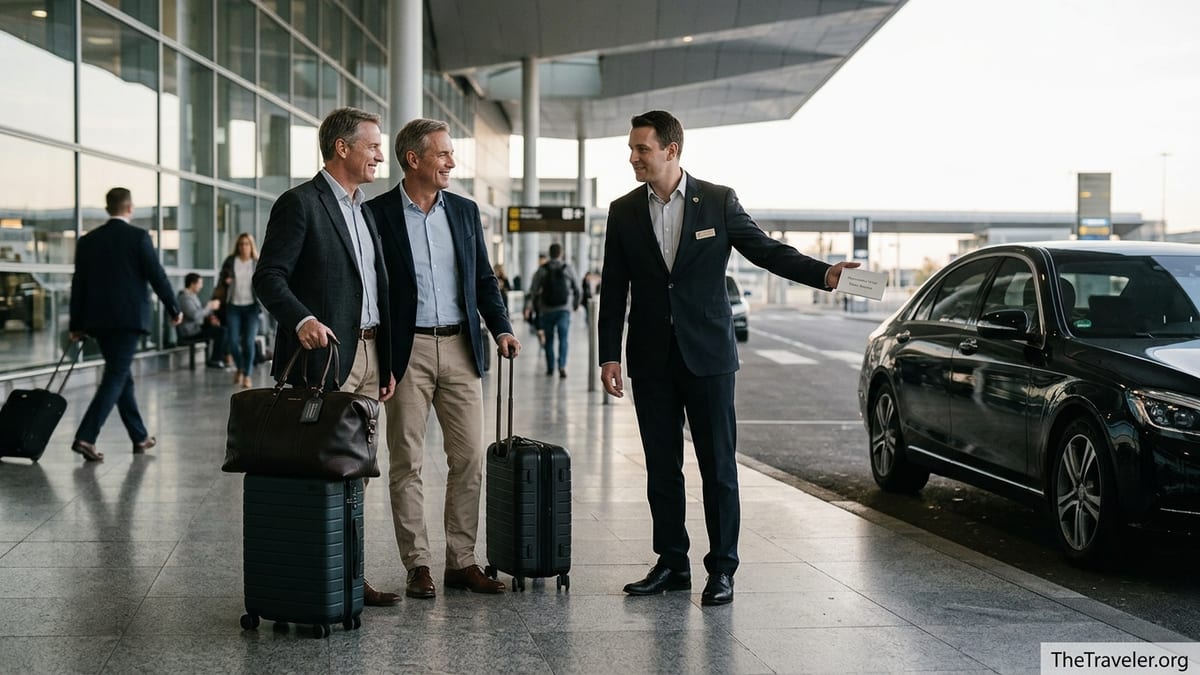
On arrival in Tokyo, for example, we were met at the gate by an airport concierge holding a discreet A&K sign. Instead of simply walking us to the car, she escorted us through immigration, helped with the baggage carousel, and even oriented us to local customs such as where to find ATMs that accepted foreign cards and how to navigate the train system if we chose to use it later. After a long flight, that guidance felt more valuable than any lounge access.
At a riad in Marrakech used frequently by the company, another traveler recalled returning from a long day in the medina to find a small plate of mint-infused fruit and a handwritten note from the local office confirming the next day’s pick-up time, with a line offering to adjust the start if they were feeling tired. In Botswana, guests arriving at a remote camp found that staff already knew they preferred sparkling water over still, and that they liked to have a light snack rather than a full lunch on travel days. Those preferences had been passed along quietly from one property to the next.
These kinds of details cost relatively little in absolute terms, but they signal attention and care. In the context of a trip that may cost tens of thousands of dollars, they are what make the experience feel commensurate with the price. They also reflect A&K’s long-standing relationships with partner hotels and lodges, where staff understand that catering to these small preferences can make or break a guest’s perception of value.
Handling Problems When Things Go Wrong
No trip is immune to problems, particularly in an era of volatile airline schedules and unpredictable weather. The real test of personal service is how a company responds when something breaks. Abercrombie & Kent’s reputation in this regard is mixed if you read widely across reviews, which range from raves about seamless problem-solving to criticism when expectations are not met. Yet even those critical accounts often highlight how high the bar for service has become in the luxury segment.
On the positive side, there are numerous examples of A&K stepping in decisively when issues arise: a last-minute medical situation in India that required rerouting a couple home on different airlines while simultaneously arranging a driver and English-speaking escort at an unfamiliar airport; a missed connection in Europe where the local office not only rebooked flights but also secured a hotel room within walking distance of the terminal and adjusted the rest of the itinerary so no key experiences were lost. In these cases, travelers felt that the company’s behind-the-scenes network justified the premium cost.
At the same time, some recent travelers have reported frustration when the service did not feel as proactive as they expected, particularly when it came to pre-trip communication or the quality of local partners in specific destinations. Their criticism serves as a reminder that even established brands must continuously audit their on-the-ground service, hotel choices, and guide training to match the marketing promise. In the luxury space, a single disappointing guide or tired hotel can feel magnified because guests are paying for near-perfection.
For prospective travelers, the lesson is to use the company’s emphasis on personal service to your advantage. Be clear about your standards, from hotel categories to how quickly you expect updates when something changes. During the planning stage, ask specifically how the local office will support you if flights are disrupted or if you need to change plans mid-trip. The travelers who report the best experiences with A&K tend to be those who treat the relationship as a partnership rather than a one-sided transaction.
Who Benefits Most From This Level of Personalization
Abercrombie & Kent is not the right fit for every traveler, and the level of personal service it offers makes the most sense for certain profiles. First are complex, multi-stop itineraries in destinations where logistics are challenging or where on-the-ground connections matter: think safaris that combine several private reserves in East or Southern Africa, multi-country journeys across South America, or extended trips through India and Southeast Asia that weave together domestic flights, trains, and remote lodges.
In these cases, the value of a team that can reconfigure transfers, rebook internal flights, and coordinate with multiple properties in real time is significant. Travelers planning milestone trips, such as a 50th birthday safari with three generations or a month-long sabbatical crossing multiple continents, often find that the peace of mind and reduction in planning stress are worth the premium. The company also shines for travelers who appreciate structure and comfort but still want room for spontaneity, such as adding an extra day in a city they fall in love with or slotting in a last-minute cooking class in a local home.
Second, the service is well suited to those who value expert curation as much as logistics. If you care deeply about staying at the most characterful riad in Marrakech rather than the newest luxury chain hotel, or if you want to access experiences that are difficult to book independently, the combination of destination specialists and local offices can make a tangible difference. For example, guests on A&K’s higher-end “exclusive collection” journeys may find themselves in ultra-remote tented camps, on private yacht charters, or on private jet itineraries where every element has been handpicked and coordinated.
Finally, the brand works well for travelers who are time-poor but expectation-rich. If you run a business, have limited vacation days, and want to guarantee that your two weeks in Antarctica, Japan, or Botswana are executed as flawlessly as possible, outsourcing that responsibility to a company with decades of experience and a large support network can be smart. You are not just paying for hotel bookings and transfers, but for a buffer between you and the chaos of global travel.
The Takeaway
My biggest surprise about Abercrombie & Kent was not any single grand gesture, but the cumulative effect of hundreds of small decisions made on my behalf. The consultant who shifted a flight to avoid a notorious traffic bottleneck, the local office that quietly rearranged transfers when a storm disrupted rail services, the guide who led us down a quiet side street because she sensed we needed a slower pace. None of these moments would appear in a glossy brochure, yet together they created a feeling of being genuinely looked after.
This is, in many ways, the essence of true luxury in travel today. It is less about thread counts and champagne labels and more about the sense that someone is thinking three steps ahead, tailoring the experience to your preferences, and absorbing the stress of the unexpected so you do not have to. Abercrombie & Kent does not always get it perfectly right, and the premium pricing invites high expectations. But when the system works as designed, the level of personal service can transform an already special trip into something memorably effortless.
If you are considering booking with Abercrombie & Kent, approach the relationship as you would with a trusted advisor. Invest time upfront in articulating what matters to you, ask specific questions about how the local support network operates, and remain engaged throughout the planning process. Do that, and you are far more likely to experience the kind of attentive, anticipatory service that has built the company’s reputation over the past six decades.
FAQ
Q1. Is Abercrombie & Kent worth the premium price for personal service?
For travelers planning complex or high-stakes trips, many find the premium worthwhile because of the detailed pre-trip planning, local support offices, and ability to troubleshoot problems quickly. Those taking simpler, single-destination city breaks may find that a good independent planner or local specialist can provide similar personalization at a lower cost.
Q2. How personalized can an Abercrombie & Kent itinerary really be?
The company’s private journeys can be highly customized, from daily pacing and hotel style to niche interests such as food markets, architecture, or wildlife photography. The key is how clearly you communicate your preferences and how experienced your assigned consultant is with your chosen destination.
Q3. Will I have the same point of contact throughout the planning process?
Typically you work with a dedicated consultant during planning, supported by destination specialists. Once you travel, responsibility shifts to the local office and your on-the-ground team, but the original consultant usually remains available for big-picture questions or changes.
Q4. What happens if my flights are delayed or canceled during an A&K trip?
In most cases, the local office steps in to rebook transfers, adjust hotel check-in times, and rearrange touring so that you lose as little as possible from your itinerary. The level of responsiveness can vary by region, so it is wise to ask in advance how disruption is handled in your specific destination.
Q5. Are guides exclusive to Abercrombie & Kent or shared with other operators?
It depends on the destination. In some regions, A&K has long-standing relationships with guides who work primarily or exclusively for them. In others, guides may also work with other high-end operators, but A&K often secures the most experienced individuals for their private and small-group trips.
Q6. How much control do I have over hotel choices on a private journey?
You generally have significant control, within the limits of availability and budget. Consultants offer a shortlist that fits your preferences, whether that means classic grand hotels, intimate boutique properties, or remote lodges, and you can request changes if suggested options do not match your expectations.
Q7. Can Abercrombie & Kent accommodate dietary restrictions and accessibility needs?
Yes, as long as these needs are communicated clearly in advance. The company routinely coordinates with hotels, lodges, and local restaurants to handle dietary requirements, mobility issues, or other special considerations, though the level of ease can vary in more remote regions.
Q8. Is personal service as strong on small-group journeys as on fully private trips?
Small-group trips include many of the same service elements, such as experienced tour directors and local experts, but naturally offer less absolute flexibility than a private itinerary. Travelers who want full control over pacing and content usually find private journeys a better fit.
Q9. How far in advance should I book to get the best level of personalization?
Booking six to twelve months in advance is ideal for complex itineraries, peak seasons, or destinations with limited high-quality lodging. More lead time gives your consultant room to secure preferred guides, trains, internal flights, and special experiences that might not be available at the last minute.
Q10. What can I do to make the most of Abercrombie & Kent’s personal service?
Be candid about your budget, non-negotiables, and travel style, from how early you like to wake up to whether you prefer major sights or hidden corners. Ask specific questions about how the local office will support you and confirm that all key preferences are clearly noted in your final documents before departure.