


More news on this day
Nigeria’s largest carrier, Air Peace, is warning of network-wide disruptions after one of its Airbus A320 aircraft was rendered unserviceable when ground handling equipment operated by the Nigerian Aviation Handling Company, NAHCO, struck the jet at Lagos’ Murtala Muhammed Airport Terminal 1 on July 14, 2026.
Get the latest news straight to your inbox!
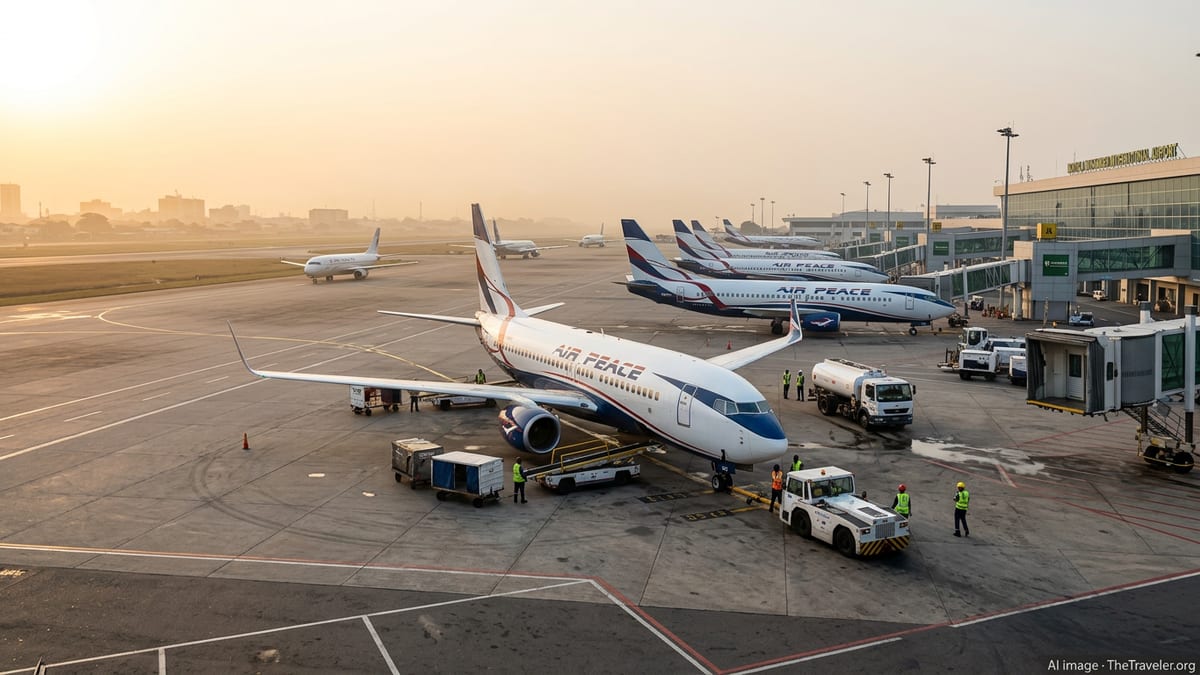
Serious Damage After Post‑Flight Ramp Collision
According to publicly available reports, the incident occurred on Tuesday night at Murtala Muhammed Airport’s domestic Terminal 1, shortly after the completion of Air Peace flight P47427 from Kano to Lagos. Passengers had already disembarked and the aircraft was parked on stand when a NAHCO baggage conveyor belt vehicle came into contact with one of the A320’s engines.
Information released by the airline indicates that the ground equipment tore into the engine’s thrust reverser cowling, a critical component of the powerplant’s external structure. Initial technical assessments described the damage as severe enough to take the aircraft out of service for an extended period.
Images circulated in Nigerian media appear to show significant structural deformation around the affected engine nacelle, with panels crumpled and misaligned. While no injuries were reported, the extent of the visible impact suggests a major repair effort will be required before the narrowbody aircraft can return to commercial operations.
Air Peace has characterized the A320 as a high-capacity workhorse on its domestic and regional network, meaning the sudden loss of the jet immediately tightened available seat capacity at a time of robust demand on key Nigerian routes.
Flight Disruptions and Network Impact
In statements cited by local outlets, the carrier cautioned passengers to expect disruptions as its operations team works to reconfigure schedules and substitute aircraft where possible. The damaged A320 had been deployed on multiple daily rotations, and its removal from the fleet is triggering a cascade of swaps and potential cancellations across the network.
Publicly available information shows that Air Peace has been attempting to prioritize integrity on trunk routes such as Lagos–Abuja and Lagos–Kano, while adjusting timings and, in some cases, consolidating frequencies on less busy sectors. Travelers have been urged, through published advisories, to monitor their bookings closely for possible time changes and to arrive early at airports to manage any knock-on delays.
Analysts following the Nigerian market note that a single aircraft incident can have outsized effects for airlines that already operate tight schedules with limited spare capacity. With high load factors and constrained fleets, the loss of one high-density jet can ripple through an entire day’s operations, particularly when it occurs at a major hub like Lagos.
The timing is especially sensitive given broader operational pressures in Nigeria’s aviation sector, including infrastructure constraints and cost challenges linked to foreign exchange and fuel prices. Any prolonged reduction in available aircraft capacity can quickly translate into fuller flights, fewer seats on sale and a higher risk of last-minute schedule adjustments.
Spotlight on NAHCO and Ground Handling Safety
The incident has immediately refocused attention on ground handling practices at Nigerian airports and, in particular, on NAHCO’s performance. Background information on the company notes that NAHCO is one of the country’s largest independent ground service providers, working with multiple domestic and international carriers.
Some Nigerian media coverage has highlighted previous cases in which NAHCO-operated equipment was reported to have made contact with Air Peace aircraft, prompting questions about risk management on the ramp and the consistency of safety protocols in busy terminal environments. Industry observers stress that any collision between moving ground equipment and a parked aircraft points to potential gaps in procedures, training, supervision or equipment maintenance.
Ground handling tasks such as baggage loading, aircraft towing and catering support are typically performed under tight time pressure as airlines seek fast turnarounds. Aviation safety specialists frequently warn that this environment can increase the risk of so-called ramp accidents, particularly if communication among teams is not robust or if standard operating procedures are not strictly observed.
In the wake of the Lagos incident, calls are emerging in commentary and opinion pieces for closer oversight of ground operations, clearer delineation of liability, and stronger contractual obligations between airlines and service providers to minimize the likelihood and impact of similar events.
Regulatory and Financial Implications
A severe ground damage event of this nature is expected to trigger internal investigations by both the airline and the handling company, as well as formal reporting to Nigerian aviation regulators. While details of any official inquiry have yet to be widely reported, standard practice in comparable cases globally involves reconstructing timelines, reviewing equipment condition and examining staff training and shift patterns.
From a financial perspective, the impact on Air Peace could be significant. Aside from the direct cost of repairing or potentially replacing damaged engine components and nacelle structures, the carrier faces lost revenue from cancelled or reduced flights, as well as costs associated with passenger care obligations such as rebooking, accommodation and compensation where applicable.
Insurance coverage typically plays a role in managing the direct repair and hull damage costs, but operational disruption and reputational effects are more difficult to quantify. For a privately owned carrier that has been expanding aggressively in both domestic and international markets, any extended grounding of a frontline aircraft places additional strain on cash flow and fleet planning.
For NAHCO, the incident raises potential liability issues and may influence contract negotiations with client airlines. Market observers note that repeated high-profile ramp events can lead carriers to reassess ground handling arrangements, demand stronger indemnities or even explore alternative providers where available.
Passenger Experience and Wider Market Reaction
As news of the ground collision has spread, passengers have taken to social media and local forums to express concern about possible delays and to seek clarity on the status of their flights. Some accounts describe long queues at check in and customer service desks in Lagos and other Nigerian cities, particularly on routes heavily served by Air Peace.
Consumer advocates point out that transparent and timely communication is critical during disruption events. Clear explanations of the cause, realistic estimates of delay duration and consistent updates can help maintain passenger confidence, even when schedules are significantly affected.
The wider Nigerian aviation market is watching closely for signs of sustained impact. Competitor airlines may absorb some displaced demand in the short term, especially on high-traffic city pairs, but capacity across the system is limited. Any prolonged shortage of seats could put upward pressure on fares and further test the resilience of domestic air travel in Africa’s most populous nation.
For now, the Lagos incident underscores how a single lapse on the ground can reverberate far beyond the airport perimeter, affecting thousands of travelers and intensifying scrutiny of safety practices in one of the region’s most strategically important aviation hubs.