


More news on this day
Air travel to and from Nairobi faced major disruption on August 31, 2026, as airlines cancelled and delayed flights into Jomo Kenyatta International Airport (JKIA) amid an escalating strike by aviation workers that has stranded hundreds of passengers and triggered regional knock-on effects.
Get the latest news straight to your inbox!
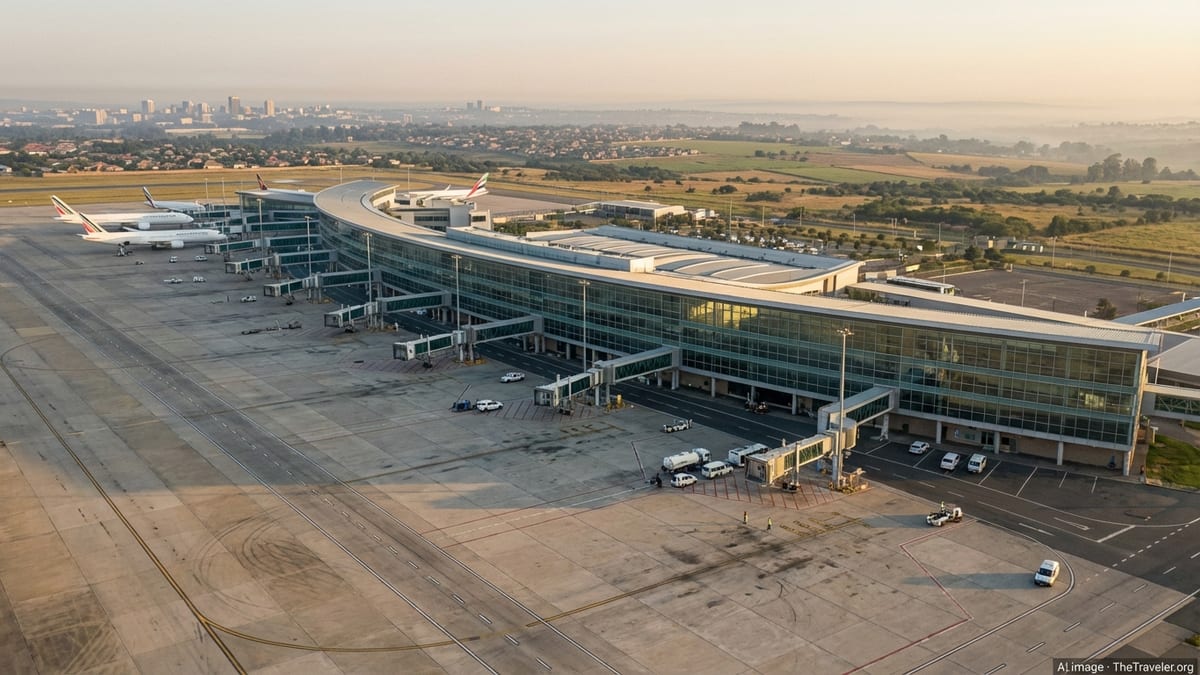
Strike at JKIA forces widespread flight cancellations
Published coverage indicates that a renewed industrial dispute involving members of the Kenya Aviation Workers Union has severely disrupted flight operations at JKIA since the weekend. The action, which began as a go-slow on Sunday, August 30, quickly escalated into a full strike affecting air traffic control and ground services at Kenya’s main international gateway.
News reports from Nairobi describe aircraft held on the tarmac well beyond scheduled departure times, with long queues at check in and passengers crowding departure halls as departure boards filled with delays and cancellations. Regional outlets note that the disruption is not limited to domestic traffic, with international and connecting services among those affected.
According to aviation-focused reporting, airlines operating into Nairobi have responded by cancelling some flights outright, diverting others and consolidating services in an effort to manage crew and aircraft positioning. One regional carrier publicly announced the cancellation of flights WB452 and WB453 on August 31, citing continuing constraints on air traffic control services at JKIA as the reason for suspending operations on the route.
Industry outlets add that some long haul and regional operators have opted to delay departures from foreign hubs rather than send aircraft into Nairobi without a clear slot or turnaround window, contributing to a widening pattern of disruption on routes that connect through Kenya’s capital.
Kenya Airways warns of delays over six hours
Kenya’s national carrier has reported some of the most acute impacts, as it relies heavily on JKIA as a regional hub. Public statements from Kenya Airways referenced in local media indicate that the airline is experiencing delays of more than six hours on certain services, with a growing backlog forcing the rescheduling and cancellation of multiple flights.
Updates shared through Kenyan broadcasters and news sites show that Kenya Airways is advising customers to travel to the airport only once their flight status is confirmed, and to use digital channels to monitor changes. Reports indicate that the carrier is allowing affected passengers to rebook without penalty as it works to clear the backlog created by the strike.
Coverage from Nairobi-based outlets also highlights similar challenges for low cost and regional operators that rely on JKIA as a transit point. Several airlines have reportedly moved to combine services or reroute aircraft through alternative East African hubs in order to maintain network connectivity while operations in Nairobi remain constrained.
Observers note that because JKIA functions as a primary transfer point for East and Central African traffic, extended delays at the airport can quickly ripple outward, affecting passengers who may never physically transit Nairobi but are booked on itineraries that connect through it.
Passengers stranded as disruption spreads across the region
Local media reports describe scenes of frustration inside JKIA’s terminals, with hundreds of passengers spending the night at the airport after services were either cancelled or significantly delayed. Some airlines have begun processing hotel transfers for those left overnight in Nairobi, while others are providing meal vouchers and rebooking options as they reassess their schedules.
The situation has not been confined to Kenya. Regional coverage and travel news sites report that passengers at airports such as Kigali International in Rwanda experienced prolonged waits after outbound flights to Nairobi were delayed by several hours, disrupting onward connections and leaving travelers uncertain about when they would be able to continue their journeys.
Images circulated by news organizations show crowded check in areas, families resting on luggage trolleys and departure boards dominated by red “delayed” notices. Passengers have turned to social media and travel forums to share experiences of missed safaris, business meetings and international connections as the strike entered its second day.
Travel industry commentators caution that, given the hub role Nairobi plays for tourism into Kenya and neighboring countries, continued disruption could impact tour operators, safari lodges and conference organizers who depend on predictable air links into the city.
Authorities and aviation bodies issue travel advisories
Publicly available advisories from Kenya Airports Authority, referenced across multiple news platforms, state that disruptions to air traffic control services at JKIA and other major airports have led to both delays and cancellations. The authority is urging travelers to confirm their flight status with airlines before heading to the airport and to expect longer processing times while contingency measures are in place.
Kenyan broadcasters report that airport management is working with airlines and aviation stakeholders to maintain safe and orderly operations despite reduced staffing and industrial action. Priority is reportedly being given to managing aircraft already on the ground and to ensuring that minimum safety standards are preserved in the tower and on the apron.
Legal and policy analysis in local publications notes that the current action follows earlier tension between the Kenya Aviation Workers Union and agencies such as the Kenya Civil Aviation Authority and Kenya Airports Authority, including formal strike notices issued earlier in the year. Commentators suggest that the dispute centers on pay, working conditions and implementation of previously negotiated benefits.
Travel organizations and trade associations are relaying similar guidance to their members, advising tour operators and corporate travel managers to build extra flexibility into itineraries that rely on transiting Nairobi in the coming days.
What travelers should expect in the coming days
As of August 31, published coverage indicates that the strike and associated go slow actions remain in effect, with no clear timeline for full restoration of normal operations at JKIA. Airlines are therefore planning on a rolling basis, updating schedules as staffing levels and air traffic control capacity become clearer.
Travel analysts cited by regional outlets suggest that even if an agreement is reached quickly, the backlog of displaced passengers and aircraft could take several days to work through, meaning that irregular operations may persist beyond the formal end of any strike. Connections through Nairobi are likely to remain vulnerable to short notice changes while carriers rebalance fleets and crew rotations.
Passengers booked to travel to or through Nairobi are being encouraged, through airline advisories and airport statements, to monitor their reservations closely and to allow additional time for airport formalities. Flexible tickets, travel insurance and contingency plans for missed connections are being highlighted in consumer coverage as useful safeguards for those with imminent trips.
For now, the situation at JKIA underscores how quickly industrial disputes in critical aviation roles can reverberate across international networks, affecting not only local travelers but also visitors and transit passengers who rely on Nairobi’s position as a central hub for East Africa.
Eastleigh Voice coverage of flight cancellations to Nairobi
KBC report on ongoing disruptions at JKIA
Citizen Digital update on Kenya Airways delays
Nairobi Leo advisory for travellers amid aviation workers’ strike