


More news on this day
Flight operations at Nairobi’s Jomo Kenyatta International Airport (JKIA) remain heavily disrupted as an aviation workers’ strike stretches into a second day, prompting the Kenya Airports Authority (KAA) to issue a fresh update on delays, cancellations and passenger guidance.
Get the latest news straight to your inbox!
Strike enters second day with mounting delays
Published coverage from Kenyan outlets indicates that the industrial action began on Sunday, August 30, 2026, as aviation workers initiated go-slows and work stoppages affecting air traffic control and other critical services at JKIA and other airports across the country.
By Monday, August 31, the disruption had escalated into widespread delays and cancellations at Kenya’s busiest gateway, with reports of stranded passengers spending the night in terminal buildings and being moved to hotels as airlines attempted to manage backlogs. Services at Moi International Airport in Mombasa and other facilities have also been affected, although JKIA remains the focal point of the disruption.
Regional and international connectivity through Nairobi has been significantly impacted, according to multiple news reports, with airlines reshuffling schedules, consolidating services and, in some cases, cancelling flights to and from the Kenyan capital.
The current action follows previous episodes of industrial unrest in the sector earlier in the year, underscoring ongoing tensions between aviation workers and management over pay, staffing and working conditions.
KAA outlines operational status and passenger guidance
In its latest public update on August 31, KAA acknowledged that the disruption to air traffic control services is continuing to affect flight operations at JKIA, resulting in both delayed and cancelled services. The authority’s statement, as relayed by local media, characterises the situation as ongoing and subject to change as the day progresses.
Publicly available information shows that KAA is urging passengers scheduled to travel through JKIA to confirm their flight status directly with their airlines before heading to the airport. Travellers are being advised to monitor updates, keep contact information current in their bookings and prepare for extended waiting times if travel cannot be postponed.
KAA has indicated through published notices that it is working with airlines, aviation agencies and other stakeholders to manage the disruption and maintain safe and orderly operations where possible. Security screening, terminal access and essential airport services remain in place, but processing times are reported to be slower than usual.
Airlines operating from JKIA, including Kenya Airways and its low-cost subsidiary Jambojet, have issued parallel advisories citing significant knock-on delays as they work through the backlog of flights and reposition aircraft and crew.
Union grievances and scope of the industrial action
Reports attribute the strike to members of the Kenya Aviation Workers Union (KAWU), whose grievances span pay, implementation of collective bargaining agreements and broader concerns over working conditions across Kenya’s aviation infrastructure.
According to published coverage, the action involves personnel from several key institutions, including the Kenya Airports Authority, the Kenya Civil Aviation Authority and various airline units. A range of roles is affected, from air traffic management support and ground handling to support staff in terminals, which collectively contributes to the scale of the disruption.
Industrial relations in Kenya’s aviation sector have been tense for several months, with earlier strike notices and episodes of go-slow action drawing attention to staffing levels and compensation in an industry recovering from pandemic-era shocks and adapting to growing regional demand.
Analysts quoted in local commentary note that repeated labour disputes at a hub of JKIA’s importance raise concerns about reliability for business travellers, tourists and cargo operators who rely on predictable schedules through Nairobi.
Impact on airlines, regional connectivity and passengers
National carrier Kenya Airways has reported extended delays on Monday, with some flights pushed back by more than six hours as a result of air traffic control constraints and accumulated backlogs. The airline has encouraged customers to check for schedule changes before leaving for the airport and to update contact details for real-time notifications.
Other regional and international airlines have similarly adjusted operations, with media outlets highlighting cases where services to Nairobi were cancelled outright due to uncertainty over available slots and turnaround times at JKIA. Some passengers have reportedly been rebooked on later flights or rerouted via alternative hubs in the region.
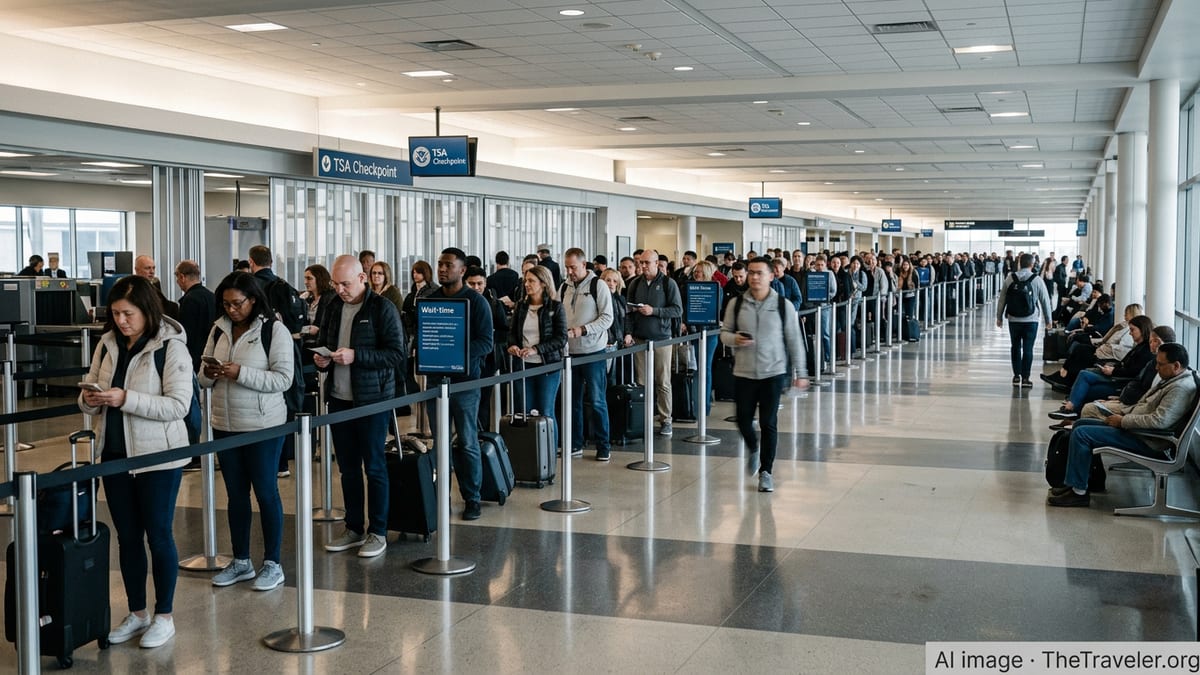
For travellers already at JKIA, the strike has translated into long queues, overnight stays in terminal seating areas and, in some instances, transfers to hotels arranged by carriers facing extended delays. Travel-focused reporting notes that many passengers are incurring additional accommodation and incidental costs, and that some itineraries involving onward connections have been disrupted.
Tour operators and travel agents have begun advising clients with imminent departures or arrivals in Nairobi to maintain close communication with airlines and to factor in the possibility of last-minute changes, especially for time-sensitive trips such as safaris, business meetings or regional conferences.
What travellers using JKIA should expect in the coming days
While there is no formal timeline yet for the resolution of the strike, the current pattern of service suggests that even once industrial action eases, airlines may need additional time to normalise schedules and reposition aircraft. Backlogs built up over two days of disruption can take several more rotations to clear, particularly on long-haul and regional routes that depend on tight aircraft utilisation.
Travel industry bodies have pointed to earlier episodes of industrial unrest at JKIA as an indication that recovery can be gradual, with residual delays persisting for days after official announcements that operations have resumed. As a result, passengers planning to travel through Nairobi in the short term are being encouraged to allow extra time, maintain flexible plans where possible and secure comprehensive travel insurance.
Published advisories recommend that travellers reconfirm all segments on multi-leg journeys, especially where separate tickets are involved, to reduce the risk of missed connections. Those with urgent travel needs may consider exploring alternative routings through other East African hubs if space is available, although capacity across the region is limited.
For now, JKIA continues to operate under constrained conditions, with KAA reiterating through public updates that it is working alongside airlines and regulators to stabilise operations as negotiations with aviation workers proceed.
K24 Digital: KAA issues update as aviation workers’ strike disrupts JKIA flights
Citizen Digital: KAA asks passengers to liaise with airlines amid flight disruptions at JKIA
KBC: Flight disruptions persist at JKIA as aviation workers’ strike enters second day
CGTN: Flight delays hit Kenya’s main airport amid workers’ go-slow