


More news on this day
Naval Air Station Oceana in Virginia Beach is staging a large-scale emergency response training exercise this week, using a simulated crisis to test how well the installation and surrounding community can respond to a major incident on or near the busy airfield.
Get the latest news straight to your inbox!
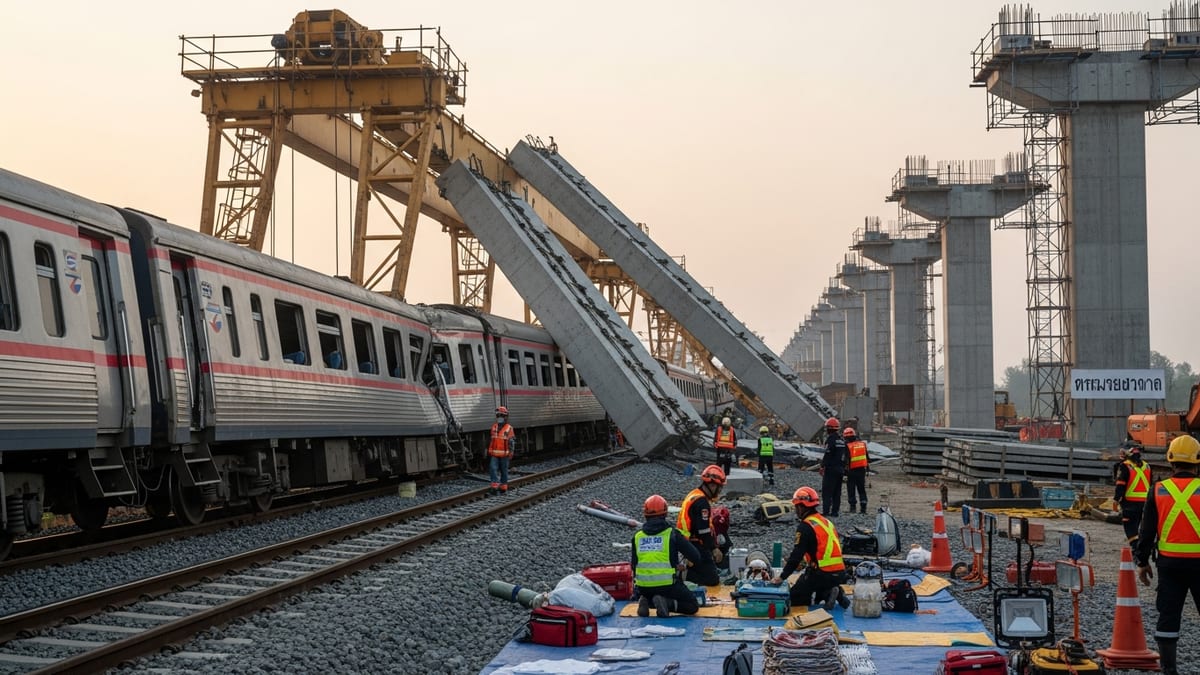
Complex scenario tests base and city preparedness
According to published coverage and base announcements, the exercise centers on a notional large-scale emergency on the airfield, designed to stress-test everything from initial 911 calls and on-scene triage to hospital transfers and public information procedures. The scenario involves multiple simulated casualties and significant infrastructure disruption, conditions intended to mirror the type of high-impact event that could occur during routine flight operations or a major public gathering at the installation.
Reports indicate that the drill is set to unfold over several hours, with activity visible in and around the base as emergency vehicles move between training locations. Organizers have emphasized that the exercise is pre-planned and not tied to any specific threat, mirroring the approach used in other Navy-wide security and disaster preparedness events held in recent years.
The training follows a pattern of increasingly complex drills at the Virginia Beach installation, which hosts one of the Navy’s busiest jet bases and the popular annual NAS Oceana Air Show. Previous exercises at the base have focused on simulated aircraft mishaps and mass-casualty events, laying the groundwork for the larger, more integrated scenario taking place this week.
Coordination with local first responders in spotlight
Publicly available information shows that the exercise brings together military emergency services and local civilian responders, including fire, law enforcement, and medical teams from the surrounding Hampton Roads region. The goal is to practice how quickly these organizations can share information, establish incident command, and divide responsibilities when a major event crosses the boundary between the installation and the city.
Regional planning documents and past exercise summaries describe Oceana as a central player in coastal Virginia’s wider emergency network, particularly because of its proximity to residential neighborhoods, major roadways, and tourist areas. Large training events at the base are used to refine how off-base agencies access secure areas, how traffic is managed around the installation, and how information about road closures or simulated hazards is pushed to the public.
The current drill also gives civilian hospitals and emergency medical services an opportunity to rehearse surge procedures tied to a military-related incident. Training typically includes simulated ambulance transfers from the base to local trauma centers, testing communication channels, patient tracking, and the handoff of critical information when minutes matter most.
Part of broader Navy push on disaster readiness
The Oceana event is taking place in the context of a wider slate of Navy exercises focused on disaster response and installation security. In recent months, Navy commands have conducted hurricane readiness drills, large-scale force protection exercises, and medical response training in varied environments, illustrating a sustained focus on resilience and continuity of operations.
In the Mid-Atlantic region, recent hurricane preparedness exercises have simulated major storms striking coastal installations, requiring both afloat and shore-based commands to practice evacuation, recovery, and restoration plans. Those scenarios are designed to complement base-level events like Oceana’s emergency response drill by aligning local procedures with regional and fleet-wide expectations for readiness.
Oceana has also participated in Navy-wide force protection events that test how installations respond to security incidents, gate disruptions, and threats to critical infrastructure. The current emergency response exercise adds another layer by concentrating on life-saving actions, interagency coordination, and the complex logistics that follow a major accident or natural hazard.
Limited impact on nearby residents and travelers
Base advisories and local news coverage indicate that surrounding communities were notified in advance about the exercise, including the possibility of increased sirens, loudspeaker announcements, and a visible presence of emergency vehicles. Residents were advised that these activities are part of a scheduled drill, not an actual emergency, and were encouraged to follow local media and official information channels for updates on timing and traffic impacts.
Travelers moving through Virginia Beach near the installation may encounter temporary lane restrictions or brief delays as emergency vehicles move to and from exercise locations. However, available information suggests that planners aim to minimize disruption by confining the most intensive activity to designated training windows and coordinating closely with city traffic management teams.
Noise associated with the exercise, while noticeable, is expected to be modest compared with the routine sound of jet operations at Oceana. For many residents, the most visible difference during the drill period will be clusters of emergency vehicles, role players, and exercise controllers in and around the base’s primary access points and training areas.
Building on lessons from previous air show and mishap drills
The new exercise at NAS Oceana builds on several years of scenario-based training tied to the installation’s annual air show and routine flight operations. Past drills have included simulated aircraft mishaps and mass-casualty events designed to prepare emergency teams for the complex mix of service members, civilian employees, and spectators who can be present on base at any given time.
Reports on earlier exercises highlight recurring themes that are likely to be central again this week, including rapid triage of multiple casualties, decontamination procedures when hazardous materials are involved, and clear communication with the public during high-visibility incidents. Each iteration provides an opportunity to refine checklists, update contact trees, and adjust staging areas based on observations from evaluators.
For Oceana and the wider Hampton Roads region, the current large-scale drill represents another step in a long-running effort to ensure that military and civilian responders can operate as a single, coordinated team when real emergencies occur. The emphasis on realistic scenarios, joint participation, and continuous improvement reflects a recognition that preparation during planned exercises is a critical investment in community safety along the busy Virginia coastline.