


More news on this day
Holland America Line’s Vista-class ship Zuiderdam has been confirmed as the second vessel to receive a major refit under the company’s multiyear Evolution upgrade program, positioning the 2002-built ship for a new phase of service with expanded accommodations and refreshed guest spaces.
Get the latest news straight to your inbox!
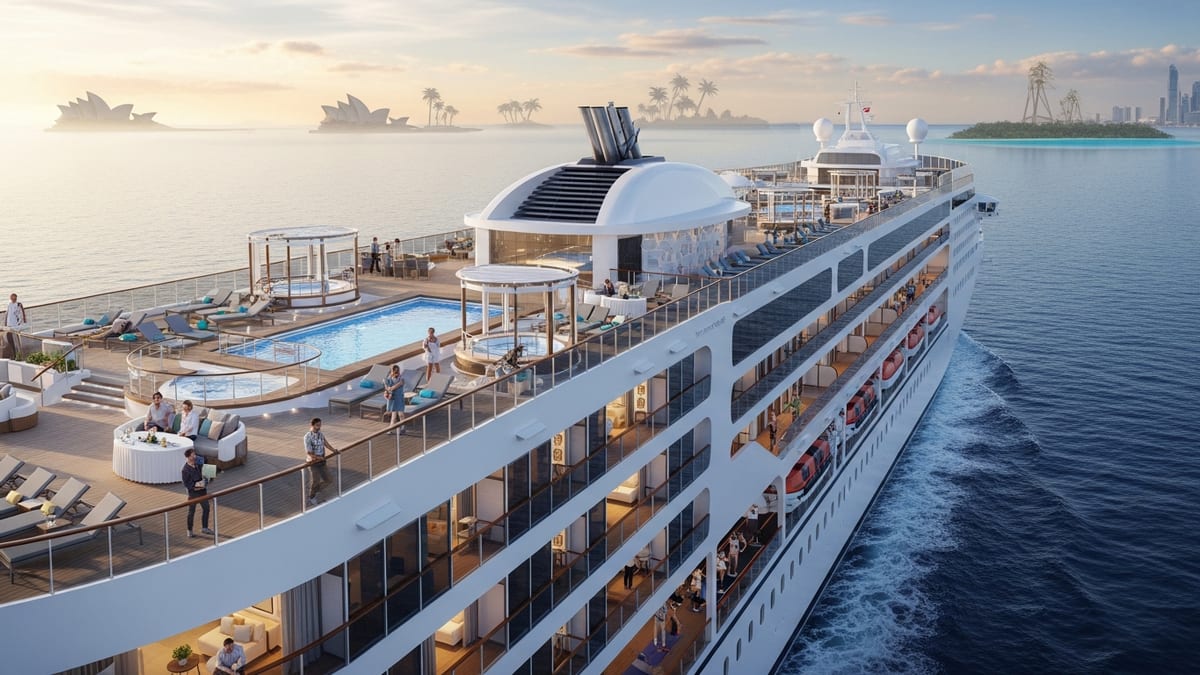
Second in Line for Holland America’s Largest Fleet Refresh
According to recently released company materials, Zuiderdam follows sister ship Oosterdam in Holland America’s Evolution initiative, described as the largest fleet update in the line’s 153-year history. The program focuses on the four Vista-class ships, as well as other vessels, with a ship-by-ship schedule of significant refurbishments rather than minor cosmetic work.
Public information on the program indicates that Oosterdam will be the first to complete its comprehensive transformation, debuting a reimagined look and new venues from late 2027. Zuiderdam has now been named as the second ship in the sequence, confirming that the long-serving vessel will receive a broad package of upgrades that go beyond the usual dry dock maintenance.
The plan marks a notable investment in a class of ships that entered service in the early 2000s, at a time when many cruise lines are focusing largely on new-build tonnage. By choosing to significantly update existing hardware, Holland America is signaling the continued importance of mid-size ships such as Zuiderdam to its deployment strategy in North America and Europe.
Zuiderdam, which carries around 1,900 guests at double occupancy, has often been highlighted by repeat cruisers for its more intimate scale compared with today’s mega-ships. The upcoming transformation is expected to retain that footprint while reshaping how space is used on board.
New Suites, Solo Cabins and Revamped Staterooms
Details shared in trade coverage of the announcement indicate that Zuiderdam’s refurbishment will introduce new accommodation categories, including additional suites and dedicated solo cabins. The move reflects industry-wide demand for more flexible lodging options, particularly from single travelers who have historically faced higher per-person pricing.
Standard staterooms are also slated for a refresh, with updated soft furnishings, finishes and in-cabin amenities. Reports suggest that the work will align Zuiderdam more closely with Holland America’s newest ships in terms of styling and comfort, while still preserving the line’s traditional design cues such as rich woods and maritime artwork.
Beyond private accommodations, the refit is expected to touch a wide range of guest areas. This includes corridors and elevator lobbies, which typically receive new carpeting and lighting during major projects, as well as key public spaces that serve as social hubs on longer itineraries.
While the line has not publicly released a full deck-by-deck layout, early indications point to a focus on improving flow, modernizing décor and enhancing functionality in spaces that see heavy daily use, such as lounges and bars.
Grand Dutch Café and Expanded Culinary Focus
A centerpiece of the Zuiderdam project will be the addition of Holland America’s Grand Dutch Café, a venue that has become a signature on several newer ships. The café combines Dutch-inspired snacks and light bites with a menu of specialty coffees, teas and Dutch beers, offering an all-day gathering spot for guests.
Industry reports on the Evolution program note that bringing Grand Dutch Café to Vista-class ships has been a recurring request from frequent cruisers who appreciate the venue’s casual atmosphere and extended hours. Installing it on Zuiderdam will align the ship more closely with the culinary footprint found on vessels such as Koningsdam and Rotterdam.
The café’s introduction forms part of a broader emphasis on food and beverage in the Evolution plan, which also encompasses refreshed specialty restaurants and lounges across the fleet. Zuiderdam’s transformation is expected to incorporate updated décor and menus in select dining rooms, keeping pace with changing tastes and dietary preferences.
Given Holland America’s focus on destination-immersive itineraries, observers note that upgraded culinary options can play a key role in extending the cultural experience on board, particularly during sea days on longer voyages.
Positioning Zuiderdam for Future Itineraries
Zuiderdam has traditionally operated a mix of Alaska, Canada and New England, Caribbean and longer repositioning or “legendary” voyages. Schedule information for the next several years shows the ship continuing to appear on complex itineraries, including extended sailings from North American homeports.
The timing of the upgrade has not been detailed publicly, but the decision to designate Zuiderdam as the second ship in the Evolution sequence suggests that Holland America intends to keep the vessel active in marquee programs. The refreshed product is expected to be marketed to both long-time Holland America loyalists and new guests drawn to smaller-ship cruising.
Travel advisors following the announcement point out that enhanced solo options and modernized public spaces could broaden Zuiderdam’s appeal to a wider demographic, including younger professionals and multigenerational groups seeking a balance between classic cruising and up-to-date amenities.
As the cruise industry continues to recalibrate capacity and deployment after recent years of disruption, investments in existing tonnage like Zuiderdam indicate confidence in sustained demand for premium, mid-size ships on destination-focused routes.
Part of a Broader Evolution Across the Fleet
The work planned for Zuiderdam sits within a multi-ship roadmap that Holland America has been outlining progressively through official materials and trade communications. Evolution is described as a multiyear initiative that will roll out ship by ship, touching vessels beyond the Vista class and including technology, entertainment and accommodation enhancements.
Recent communications from the line have highlighted upgraded entertainment offerings on other ships and ongoing refinements to onboard services, signaling that the Zuiderdam project is one piece of a larger modernization strategy. Observers note that this approach allows the company to phase work in a way that minimizes disruption to published itineraries.
The selection of Zuiderdam as the second Evolution ship also reinforces the strategic role of the vessel within the fleet. Launched in 2002 as the first Vista-class ship, it has often served on high-profile deployments, including long world and grand voyages, as well as seasonal programs in Alaska and Europe.
With Oosterdam set to debut the Evolution blueprint and Zuiderdam following, travelers and industry watchers will be looking closely at how the upgrades reshape the onboard experience, and how these transformed ships are then positioned across Holland America’s global schedule in the back half of the decade.