


More news on this day
Fresh Atlantic cruise routes and next-generation ships are converging on South America, creating new ways for travelers to pair Brazil’s beaches, Argentina’s culture and Antarctica’s icy edge in a single voyage.
Get the latest news straight to your inbox!
Atlantic Itineraries Redrawn Around Brazil, Argentina and Uruguay
Publicly available schedules show that cruise lines are reshaping their South America offerings for the 2025 and 2026 seasons, with a particular focus on the Atlantic seaboard of Brazil, Argentina and Uruguay. Industry reports indicate a rise in sailings that weave together Rio de Janeiro, Buenos Aires and Montevideo, often with side trips to smaller coastal resorts and nature destinations.
Data from the Cruise Lines International Association highlights how this shift builds on a rapid rebound in the region. Brazil, Argentina and Uruguay have all recorded strong growth in cruise calls and passenger numbers since 2022, positioning the South Atlantic as one of the fastest-recovering cruise markets worldwide.
This renewed attention is translating into more varied routes for travelers. Itineraries range from weeklong coastal getaways to extended voyages that thread the entire Atlantic flank of the continent, sometimes continuing south toward the Antarctic Peninsula or north toward the Caribbean.
New Ships Promise Longer Ocean Journeys Around the Southern Cone
Long-range, Atlantic-focused ships are central to the latest wave of South American itineraries. Recent announcements from premium and luxury brands describe vessels engineered for extended ocean crossings and multi-month voyages that circle the globe while skirting South America’s east coast.
One of the most prominent examples is a new world-cruise vessel unveiled by Oceania Cruises, scheduled to launch 180-day round-the-world journeys in 2028. According to published itineraries, those routes involve a lengthy Atlantic stretch that loops through Brazil, Uruguay, Argentina and Chile before returning toward North America, underscoring the strategic role of the South Atlantic in ultra-long voyages.
Luxury lines such as Silversea are also deepening their presence. Recent coverage of Silversea’s deployment shows ships linking Rio de Janeiro with Valparaíso via Brazil’s island-dotted shoreline, Uruguay’s resort towns and Argentina’s Patagonian gateways, illustrating how operators are turning the Atlantic coast into a stitched-together corridor of beach, wine country and glacier vistas.
Antarctica Adds Edge to South American Atlantic Routes
Several cruise lines are now marketing South American Atlantic cruises that extend beyond the continent itself, incorporating scenic sailing along the fringes of Antarctica. According to itinerary summaries, Norwegian Cruise Line is promoting voyages that depart from Rio de Janeiro, call in Argentina and Uruguay, and then continue south for cruising days past locations such as Paradise Bay and Elephant Island before finishing in Buenos Aires.
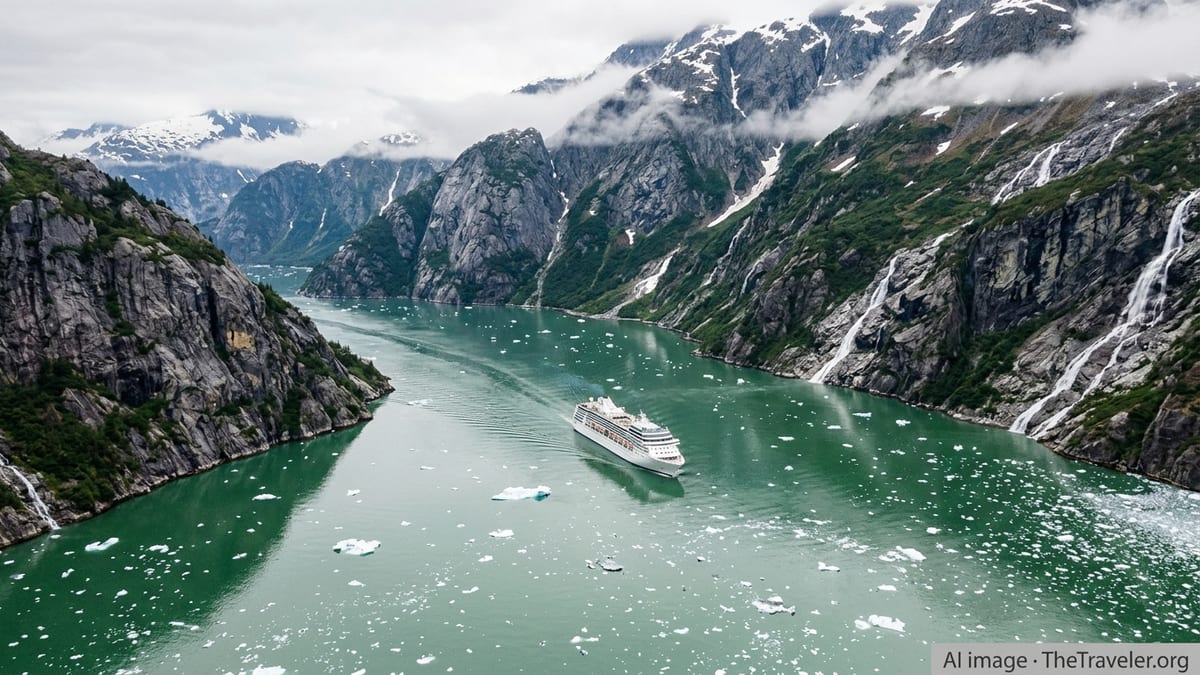
Similarly, expedition-style vessels from lines including Viking are charting routes between Buenos Aires and Chilean ports that trace the Atlantic side of the Southern Cone, cross the Drake Passage and navigate the fjords of Patagonia. These sailings effectively link the tropical and subtropical Atlantic with polar landscapes, offering passengers a striking temperature and scenery shift within a single trip.
The addition of Antarctic cruising segments is helping to differentiate South America’s Atlantic offerings from traditional Caribbean or Mediterranean routes. Travelers who might once have chosen a classic coastal itinerary can now opt for a journey that pairs samba-infused cities with icefields and penguin colonies, all on one continuous voyage.
Regional Ports Invest to Capture Growing Cruise Demand
The expansion of Atlantic cruising in South America is being matched by investments at the port level. In Brazil, authorities and local port operators have been working to upgrade passenger terminals and logistics in destinations ranging from major cities to smaller coastal towns, aiming to accommodate larger, more frequent calls as cruise programs expand for 2025 and 2026.
Uruguayan and Argentine ports are pursuing similar strategies. Published coverage of tourism initiatives notes efforts in Montevideo and Buenos Aires to streamline embarkation and disembarkation processes, improve waterfront infrastructure and coordinate with cruise lines on shore excursion development. Ports such as Punta del Este and Puerto Madryn are cited as gaining prominence as calls on new itineraries that hug the Atlantic coast.
Smaller ports along Brazil’s southern shoreline are also entering the picture. Local reporting from Paraná state, for instance, highlights how Paranaguá is preparing to host luxury ships visiting in the 2025 and 2026 seasons. These calls are expected to bring passengers into lesser-known Atlantic bays and islands, extending the geographic reach of South America’s cruise economy.
From Coastal Hops to Grand Voyages Across the Atlantic
The new emphasis on South America’s Atlantic front is also visible in repositioning and grand voyage schedules. Industry brochures for 2026 and 2027 feature extended sailings that cross the Atlantic between Europe and the Americas, using South American ports as key waypoints or seasonal homeports.
Several lines are promoting grand journeys that begin in North America or Europe, traverse the Atlantic, and then run down or up the eastern side of South America. These itineraries often include multiple days at sea, interspersed with calls in Brazilian beach cities, Uruguayan resort towns and Argentina’s cultural centers before continuing toward the Southern Ocean or returning across the Atlantic.
At the same time, mainstream operators are adding more compact regional routes for travelers with limited time. Reports from travel trade publications list four to nine night cruises along the coasts of Brazil and Uruguay from Buenos Aires, alongside weeklong Atlantic sailings that focus on Brazil’s southeastern beaches. Together, these patterns show how the Atlantic is becoming both a grand stage for world-spanning voyages and a flexible playground for shorter escapes in what many marketers are calling a South American paradise.