


More news on this day
Passengers traveling through Bangkok this week are facing another wave of disruption as Kuwait Airways, SWM and several other carriers cancel eight additional flights across Suvarnabhumi and Don Mueang airports, affecting routes to Kuwait City, Kuala Lumpur and other major hubs just as Thailand heads into the low travel season.
Get the latest news straight to your inbox!
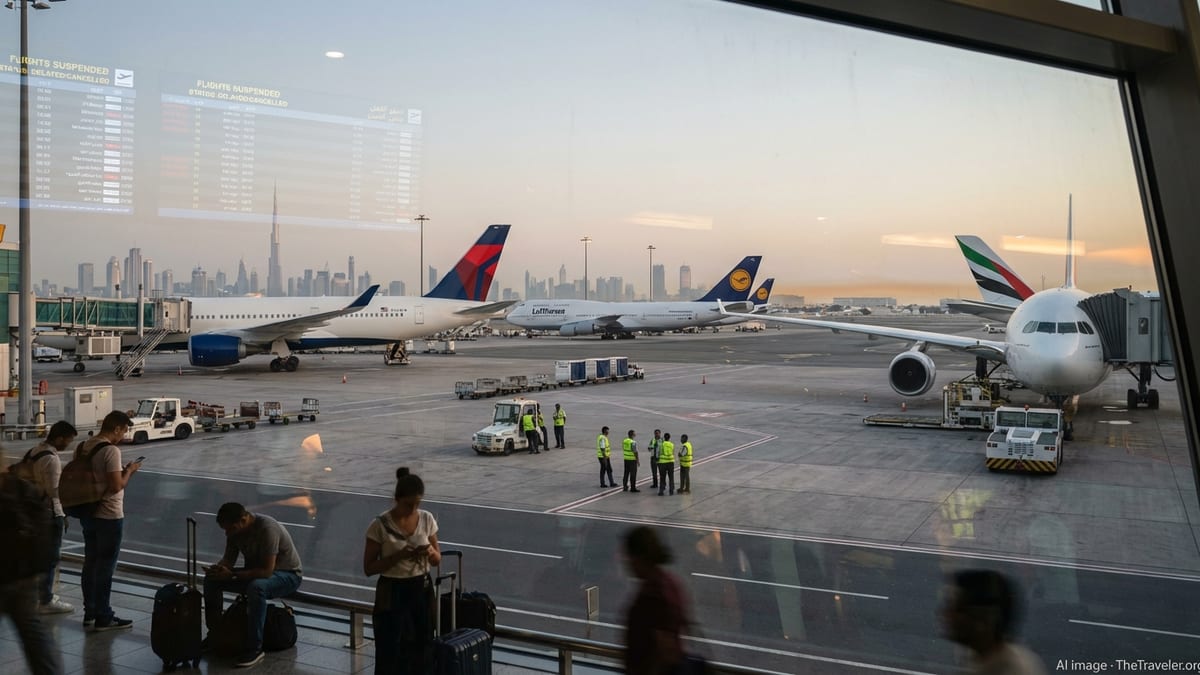
Fresh Cancellations Add to a Season of Disruption
Publicly available airport operations data for Bangkok show a new cluster of eight flight cancellations linked to Kuwait Airways, SWM and partner airlines, compounding an already difficult season for travelers in and out of Thailand’s capital. The latest changes center on long-haul and regional services that connect Bangkok to the Gulf and Southeast Asia, including Kuwait City and Kuala Lumpur.
The cancellations come on top of earlier schedule reductions and one-off disruptions linked to regional instability and rising fuel costs. Previous waves of cuts have already affected services across Thailand’s busiest gateways, including Suvarnabhumi and Don Mueang, with reports indicating that hundreds of passengers have been left scrambling to rebook or reroute journeys through alternative hubs.
While the precise breakdown of the eight newly canceled flights varies by day, the pattern points toward selective trimming of frequencies rather than wholesale withdrawal of routes. Most affected flights are regular scheduled services that typically operate multiple times per week, meaning airlines can shift passengers to later departures, though often with long delays and missed onward connections.
For travelers, the impact is most visible in longer wait times at check-in counters and transfer desks, as well as increased competition for the remaining seats on still-operating flights to key regional and intercontinental destinations.
Key Routes Hit: Kuwait City, Kuala Lumpur and Regional Links
Among the hardest hit in this latest round are services linking Bangkok with Kuwait City, an important Gulf connection used by both point-to-point passengers and those transiting onward to Europe and the Middle East. Kuwait Airways, which serves Bangkok from its hub at Kuwait International Airport, has been navigating broader regional airspace disruptions since Kuwaiti airspace closures earlier this year. As operations resume in phases, the carrier is fine-tuning its schedule, and Bangkok services are once again feeling the effects.
Regional coverage also suggests knock-on disruptions on routes between Bangkok and Kuala Lumpur, one of Southeast Asia’s busiest city pairs. Travelers connecting in Bangkok between Gulf flights and Malaysia-bound services are particularly vulnerable, as a cancellation on either leg can unravel an entire itinerary. Even when alternative flights exist, rebooked passengers may face overnight stays or extended layovers in Bangkok.
Additional cancellations linked to SWM and partner airlines appear to be concentrated on secondary regional routes that feed into Bangkok’s hubs. These routes typically serve as important connectors to resort destinations or secondary cities, meaning a single canceled flight can cut off same-day onward travel and force overnight stays in the capital or alternative routing through Singapore, Hong Kong or other regional hubs.
Short-haul passengers can sometimes be moved to later departures the same day, but long-haul travelers connecting through Bangkok face the greatest disruption, with fewer daily options and high load factors on remaining flights limiting rebooking choices.
Suvarnabhumi vs Don Mueang: Two Hubs Under Strain
The cancellations are spread across both of Bangkok’s main airports, highlighting how pressure on Thailand’s aviation system is no longer confined to a single hub. Suvarnabhumi, the primary international gateway, has borne the brunt of long-haul disruptions, including cancellations by Middle Eastern, European and regional Asian carriers as airspace constraints and fuel prices force schedule adjustments.
Don Mueang, traditionally the base for many low-cost carriers, is also seeing targeted cuts, particularly on routes sensitive to fuel prices or seasonal dips in demand. Earlier schedule changes by budget operators flying from Don Mueang foreshadowed a quieter mid-year period, and the involvement of SWM-linked services in the latest cancellations underscores how even secondary and leisure-focused routes are being recalibrated.
Operational data and previous reporting show that both airports have already dealt with significant waves of delay and cancellation in recent months, with dozens of flights scrapped on peak disruption days. The addition of eight more cancellations this week may seem modest in absolute numbers but is part of a broader pattern of tighter capacity and thinner buffers across Bangkok’s network.
Airport managers have been preparing for high-demand periods such as Songkran with extra flights and staff, but the transition into low season is proving equally challenging as airlines trim schedules and adjust to new cost pressures and route dynamics.
What Is Driving the Latest Wave of Cancellations
Several overlapping factors appear to be driving the newest cancellations involving Kuwait Airways, SWM and other airlines operating through Bangkok. Regional instability and ongoing airspace constraints in parts of the Middle East have created unpredictable routings and additional fuel burn for Gulf-linked flights, making some rotations harder to sustain on thin margins.
At the same time, rising fuel costs have prompted multiple airlines serving Thailand to pare back capacity, particularly during shoulder and low seasons. Recent announcements from carriers in the region have pointed to double-digit percentage cuts in frequencies on selected routes, with some services temporarily suspended for weeks or months at a time.
Airlines are also reacting to a shift in demand patterns now that the peak tourism months have passed. Routes that were heavily booked over the New Year and early-spring holiday periods have softened, encouraging carriers to consolidate flights rather than operate multiple half-full services. This rationalization can make sense from a commercial perspective but often translates into abrupt schedule changes for passengers who booked months in advance.
Finally, lingering operational constraints, including aircraft availability and maintenance scheduling, remain a factor. Airlines that have stretched fleets to cover expanded networks during the recovery period are now pulling back slightly, concentrating resources on their most profitable or strategically important routes.
How Affected Travelers Can Respond
For travelers booked on Kuwait Airways, SWM or partner flights through Bangkok, the latest cancellations underscore the importance of close monitoring in the days leading up to departure. Publicly accessible schedule tools and airport departure and arrival boards typically reflect changes as they are processed, but updates can occur at short notice, particularly on routes indirectly affected by regional airspace issues.
Travel industry guidance generally recommends that passengers whose flights are canceled look first to their airline or booking platform for rebooking options, as carriers usually attempt to accommodate affected travelers on the next available service on the same route. However, when multiple flights have been trimmed from the schedule, alternative departures may not be available the same day, especially for long-haul segments.
Those with onward connections through Bangkok should pay particular attention to minimum connection times and any schedule shifts that might cause missed links. In some cases, travel agents and experienced travelers suggest proactively moving to earlier feeder flights or overnighting in Bangkok to add a buffer when connecting to long-haul services that are operating on tighter schedules.
With eight additional cancellations now impacting Kuwait City, Kuala Lumpur and other destinations from Bangkok, the broader message for travelers is to build flexibility into their plans, allow extra time for connections and remain ready to adjust itineraries quickly if further schedule changes appear in the weeks ahead.