


More news on this day
Nearly 150 passengers and crew on a polar expedition cruise have been left in limbo off the coast of Cape Verde after three deaths and a cluster of suspected hantavirus infections prompted port authorities to block the ship from docking.
Get the latest news straight to your inbox!
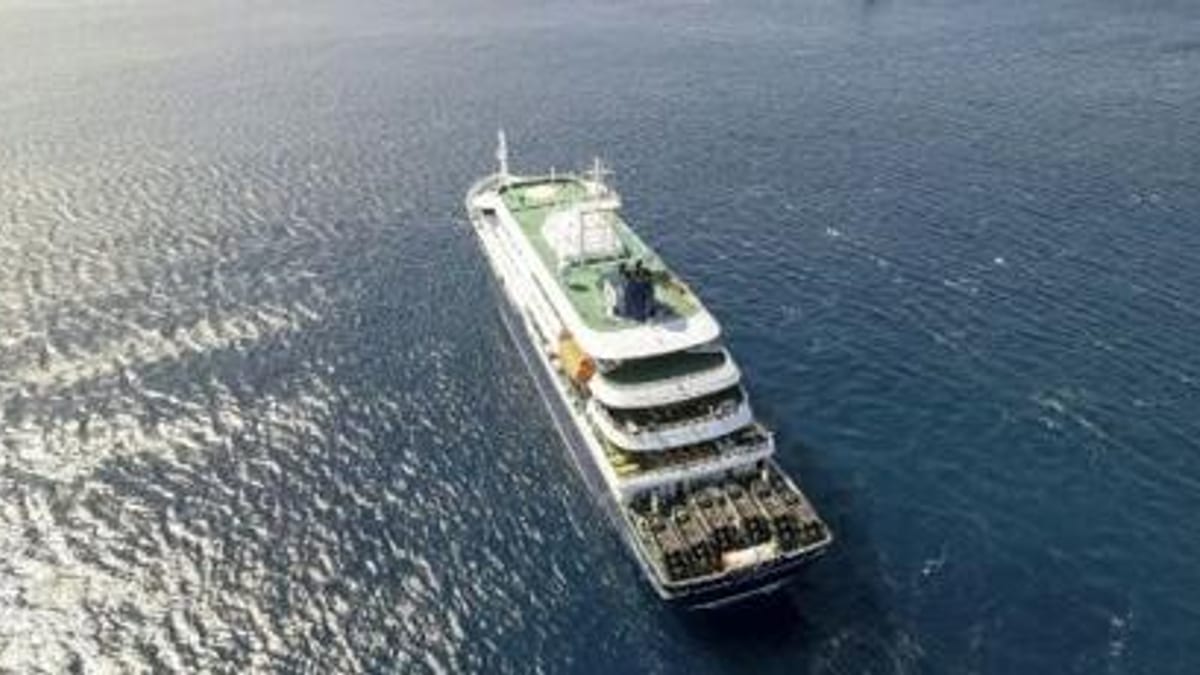
Luxury expedition turns into health emergency
The Dutch-flagged MV Hondius, operated by Netherlands-based Oceanwide Expeditions, was nearing the end of a weeks-long voyage from Argentina through Antarctica and remote South Atlantic islands when severe respiratory illness began to emerge among guests. According to publicly available information from the World Health Organization and national health agencies, at least three passengers died over the course of the journey, while several others developed serious symptoms consistent with hantavirus infection.
Reports indicate that the first fatality, a Dutch man in his seventies, occurred on April 11 after the ship called at the British territory of Saint Helena. His body was taken ashore there and no laboratory tests were immediately performed. His wife later died after disembarking in South Africa, and a German passenger died on May 2 while the vessel was still at sea, bringing the death toll linked to the voyage to three.
By early May, the Hondius had set course for Cape Verde seeking medical support. World Health Organization updates and regional media coverage describe a growing list of suspected cases on board, with early counts referring to seven people affected and later updates indicating rising numbers of laboratory-confirmed hantavirus infections among passengers tied to the cruise.
Footage and accounts published in international media depict deserted decks, passengers confined to cabins, and medical teams in full protective gear moving through the ship as isolation protocols were tightened. The atmosphere on board, once focused on wildlife watching and polar landscapes, shifted to strict infection control and anxious waiting for decisions from coastal authorities.
Cape Verde keeps ship offshore as cases investigated
When the Hondius reached the waters off Praia, the capital of Cape Verde, local authorities declined its request to dock. Government statements cited in regional outlets state that the ship was ordered to remain at anchorage or in open waters while international health agencies assessed the situation and evacuation plans for the sickest patients were arranged.
According to published coverage from multiple news organizations, Cape Verde initially allowed the ship to anchor offshore between May 3 and May 6 but did not permit general disembarkation of passengers. Medical teams boarded under controlled conditions, and three patients with confirmed or suspected hantavirus infection were ultimately evacuated for treatment, including two whose samples later tested positive for Andes virus, a type of hantavirus.
World Health Organization situation reports describe two confirmed and several suspected cases among those still on board at the beginning of the week, with ongoing testing of samples taken in Cape Verde and in specialized laboratories elsewhere. Later summaries from global and national health bodies indicate that the tally of confirmed hantavirus infections linked to the voyage has since grown, although the precise number continues to be updated as investigations proceed across multiple countries.
Cape Verde’s decision to bar routine docking reflects the country’s limited hospital capacity and concerns over introducing a rare but often severe zoonotic virus into an island health system. Commentaries in regional media note that officials faced the complex task of balancing public health protection at home with humanitarian obligations to those marooned at sea.
What is known so far about the hantavirus cluster
Hantaviruses are typically carried by rodents, and infection most often occurs when people inhale aerosolized particles from contaminated urine, droppings, or saliva. Public health information from the World Health Organization and national agencies notes that person-to-person transmission is considered rare and has mainly been documented with certain strains, including Andes virus, which circulates in parts of South America.
In this outbreak, World Health Organization briefings and expert commentary cited in outlets such as Al Jazeera and the Associated Press say that seven initial cases were identified among passengers on the Hondius in late April and early May, including three deaths, one critically ill patient and several with milder symptoms. Subsequent updates suggest additional confirmed infections connected to the voyage as passengers dispersed to multiple countries.
Health authorities are still working to reconstruct how the virus reached the ship and whether transmission occurred solely before boarding or also between people on board. According to published summaries of the investigation, the working hypothesis is that an initial passenger couple may have been exposed during wildlife activities in South America, with later spread possibly involving limited human-to-human transmission, particularly given the later confirmation of Andes virus in some evacuated patients.
International contact-tracing efforts are underway because dozens of passengers disembarked at intermediate ports earlier in the itinerary, including in South Africa and at remote Atlantic islands, before the scale of the outbreak was recognized. Publicly available health bulletins from several countries reference monitoring arrangements for returning travelers who spent time on the Hondius in the weeks before the Cape Verde emergency.
Passengers face prolonged isolation and uncertain journey
For those still aboard the Hondius, the immediate reality is one of confinement and uncertainty. Media reports based on passenger accounts describe days spent largely inside cabins, with meals delivered under strict hygiene protocols and common areas either closed or subject to distancing rules. Onboard activities once central to expedition cruising, such as lectures and social gatherings, have reportedly been suspended or moved to remote formats to reduce close contact.
Public information from European and North American health agencies indicates that several countries are organizing repatriation flights and quarantine arrangements for their citizens once they can safely disembark. Plans described in news coverage include transporting small groups of passengers to specialized facilities where they can be monitored for symptoms during the virus’s incubation period.
In the meantime, the Hondius has been cleared to leave Cape Verdean waters and head toward Spain’s Canary Islands, where Spanish authorities are preparing to receive the vessel under tightly controlled conditions. According to recent updates from international media and official advisories, the ship is sailing with around 150 people on board, including crew and at least one deceased passenger whose body remains in cold storage pending transfer.
The evolving situation has raised concerns among travelers and the cruise industry about how long a vessel can be kept offshore and what obligations destination countries have when serious illness strikes at sea. For now, those stranded between Cape Verde and the Canaries are at the center of a complex cross-border response that spans maritime law, global health rules and the practical limits of care in remote Atlantic waters.
Industry and health experts reassess cruise-ship risks
The suspected hantavirus cluster on the Hondius is being described in specialist coverage as the first documented outbreak of its kind on a cruise ship. That distinction is prompting renewed scrutiny of how expedition operators manage emerging infectious diseases, particularly on itineraries that combine long sea days, small enclosed environments and calls at ports with limited medical infrastructure.
Analyses in outlets such as The Atlantic, The Daily Beast and other international publications highlight structural challenges that echo earlier pandemic-era incidents. These include the difficulty of swiftly evacuating severely ill travelers from isolated locations, the reliance on local port states that may lack intensive-care capacity, and the reputational damage that can follow when a leisure voyage becomes the focus of a high-profile health scare.
Publicly available statements from the cruise operator emphasize cooperation with international health agencies and a commitment to enhanced cleaning, testing and isolation measures. Industry observers note that expedition cruises, which often market themselves around access to pristine and remote environments, may now face new demands from passengers and regulators for greater transparency about disease surveillance, air-filtration standards and contingency planning.
Health commentators also point out that, unlike respiratory viruses that spread easily through casual contact, hantavirus infections generally require more specific exposure pathways. Even so, the seriousness of the disease and the confirmation of Andes virus in at least two evacuees are expected to feed into revised global guidance on managing rodent-borne infections in closed travel settings. For cruise passengers still aboard the Hondius, those policy debates remain abstract compared with the immediate challenge of waiting out test results and transit approvals on a ship shadowed by a rare and deadly virus.