

More news on this day
New York City is heading into 2026 with near-record visitor volumes, new cultural attractions and shifting travel patterns, positioning the five boroughs for another high-stakes year as a global tourism capital.
Get the latest news straight to your inbox!
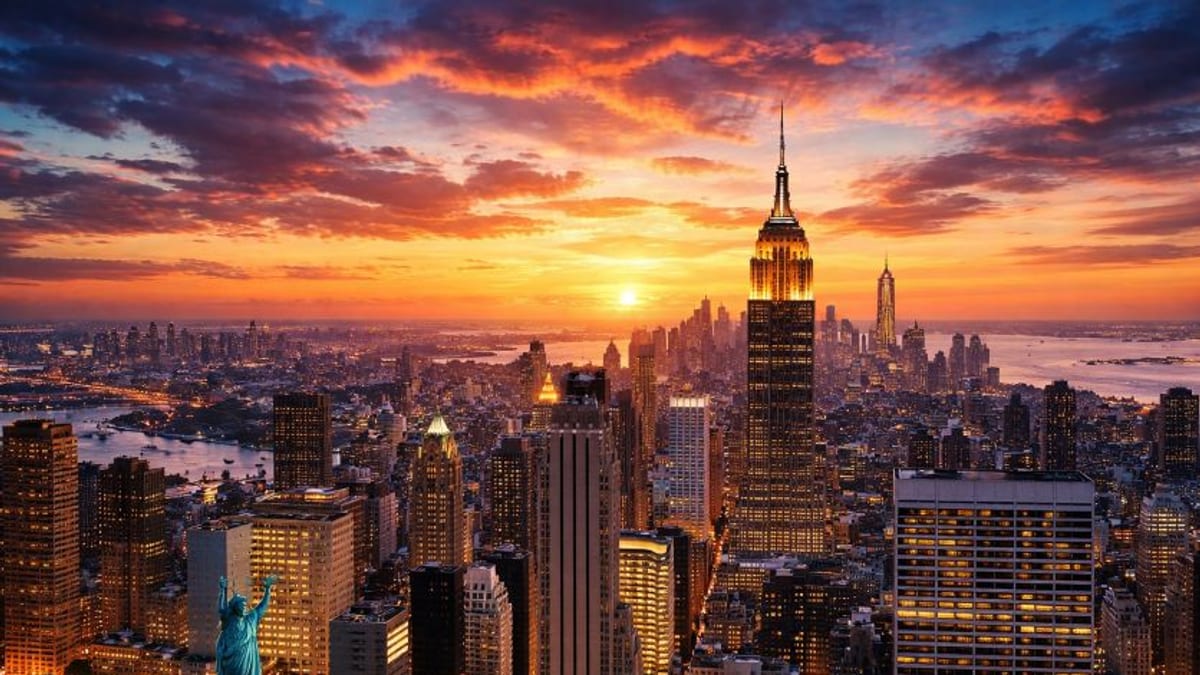
Image by Latest International / Global Travel News, Breaking World Travel News
Tourism Outlook: Recovery, Headwinds and Visitor Trends
Recent economic assessments indicate that New York City’s tourism recovery has largely closed the gap with pre‑pandemic levels, with total visitation approaching the mid‑60‑million range and visitor spending climbing alongside hotel rates. Forecasts published in early 2026 describe a sector that has broadly rebounded in domestic travel, even as international arrivals remain more sensitive to currency shifts, airfares and global political tensions.
City and state budget documents for fiscal year 2026 point to tourism as a key pillar of local revenue, highlighting strong hotel tax collections and steadily improving business travel. At the same time, several published analyses note that expectations for 2025 had to be revised downward because of softer long‑haul demand, underlining how quickly external factors can alter projections.
Industry commentary suggests that domestic travelers now make up a larger share of total visitors than before the pandemic, but international guests still account for a disproportionate share of overall spending. This dynamic is particularly visible in neighborhoods such as Midtown, Lower Manhattan and parts of Brooklyn, where luxury hotels, shopping streets and flagship cultural institutions depend heavily on overseas tourism.
Seasonality is expected to remain pronounced in 2026, with late‑year peaks around the holiday period and sustained demand in spring and early autumn. Analysts advise that travelers planning to visit during those windows should expect higher prices and book accommodation and marquee experiences well in advance.
New and Evolving Attractions Across the Boroughs
Alongside classic landmarks, a wave of newer attractions is redefining what a first or second visit to New York can look like in 2026. Immersive art and technology venues, including recently opened multi‑sensory museums in Lower Manhattan and near the World Trade Center, are drawing visitors seeking interactive experiences beyond traditional galleries.
Midtown continues to expand its skyline appeal with multiple observation decks, from One World Observatory downtown to Summit One Vanderbilt by Grand Central and Edge at Hudson Yards on the West Side. These platforms frame the city’s changing profile, giving visitors elevated views of major development zones along the Hudson and East Rivers and offering time‑ticketed entries that help manage crowds.
In Times Square, redevelopment of One Times Square is bringing together exhibition space, retail and elevated viewing areas tied to the site of the New Year’s Eve ball drop. Plans described in recent coverage include a museum‑style experience that showcases the history of the event and the evolution of the famous ball itself, part of a broader effort to keep the district relevant beyond billboards and Broadway marquees.
Beyond Manhattan, the tourism map continues to shift toward the outer boroughs. Long Island City and Astoria in Queens, the Brooklyn waterfront from DUMBO to Red Hook, the Bronx’s cultural corridor anchored by its zoo and botanical garden, and Staten Island’s North Shore all feature in current promotional campaigns as alternatives or complements to the city’s most crowded corridors.
Transit, Mobility and Visitor Experience in 2026
Getting around remains central to how visitors experience New York, and 2026 will reflect both long‑standing strengths and current debates. Publicly available information shows that subway and bus ridership has continued to recover, aided by upgrades to station accessibility, signal modernization on key lines and targeted efforts to reduce delays.
At the same time, reports on fare evasion and system finances describe ongoing challenges for the Metropolitan Transportation Authority, which is working to balance cost‑recovery measures with the need to keep the network attractive to casual riders and tourists. Travelers in 2026 are likely to encounter new station layouts, modernized fare gates and an expanded contactless payment system compared with the pre‑pandemic era.
Congestion pricing, long discussed as a tool to manage vehicle traffic into Manhattan’s core and fund transit improvements, has gone through multiple legal and political twists. Recent academic work and policy commentary describe early implementations and legal challenges, noting that even limited forms of road pricing can alter traffic volumes, air quality and travel choices around the central business district.
For visitors, the practical takeaway is that public transit, walking and cycling remain the most efficient ways to move between major attractions, particularly south of 60th Street in Manhattan. Foot‑traffic and mobility data highlighted in recent coverage indicate strong pedestrian activity in business improvement districts, suggesting that street‑level exploration remains both viable and vibrant.
Iconic Sights, Cultural Districts and Emerging Neighborhoods
The core icons remain at the heart of most itineraries. The Statue of Liberty and Ellis Island, Central Park, the Empire State Building, the Brooklyn Bridge and the museums along Fifth Avenue and the Upper West Side all continue to anchor global imagery of New York City. Ticketing systems at many of these institutions now rely heavily on timed entry windows, a shift that allows for better crowd management but demands more advance planning from travelers.
Broadway and the surrounding Theater District have largely recovered their production volumes, with a mix of long‑running hits and new shows aimed at both repeat visitors and first‑time audiences. Nearby, the restaurant scene has continued to diversify, with small venues in Hell’s Kitchen, Koreatown and along Ninth Avenue gaining attention in dining guides and social media coverage.
Outside Midtown, cultural districts are drawing greater international notice. The Museum of Modern Art in Midtown, the Whitney Museum of American Art in the Meatpacking District, the Brooklyn Museum near Prospect Park and newer institutions focused on technology, fashion and media are increasingly packaged together in neighborhood‑based marketing campaigns. For many visitors, this means dedicating full days to specific areas instead of racing across the city.
Emerging neighborhoods also feature prominently in 2026 travel suggestions. In Brooklyn, formerly industrial areas along the Gowanus Canal and in Greenpoint are seeing new hotels, performance spaces and galleries. In Queens, food‑focused coverage points travelers toward Jackson Heights, Flushing and Ridgewood, while the Bronx waterfront and Staten Island’s ferry‑adjacent developments are promoted as under‑the‑radar options with skyline views and fewer crowds.
Practical Planning: Costs, Safety and Sustainable Choices
Rising costs remain one of the most widely discussed aspects of visiting New York in 2026. Analyses of tourism spending show that average outlays per visitor have increased alongside hotel room rates and restaurant prices, even as the city adds more midscale and limited‑service accommodation. Budget‑minded travelers are responding by booking further in advance, choosing outer‑borough stays and relying more on public transit instead of taxis or ride‑hailing services.
Safety perceptions continue to influence trip planning, particularly among first‑time international visitors. Local crime statistics and independent reporting portray a more nuanced picture than social media narratives, with serious crime in many major tourist districts lower than in the early 2000s but with visible quality‑of‑life issues on certain subway lines and in specific public spaces. Travel advisers generally recommend familiar precautions such as avoiding unlicensed vehicles, keeping valuables secure and planning late‑night routes in advance.
Sustainability is gaining a higher profile in New York’s tourism messaging. Official planning documents and advocacy groups highlight the environmental benefits of using public transit, supporting local businesses and exploring less‑visited neighborhoods to spread economic impact beyond a handful of crowded blocks. Some hotels and attractions now promote energy‑efficiency certifications and waste‑reduction programs as key selling points to environmentally conscious guests.
For global explorers looking ahead to 2026, the combined picture is of a city that remains unmistakably itself: dense, loud and visually overwhelming, but also increasingly structured around data‑driven visitor management, neighborhood diversification and a broadened definition of what counts as an “iconic” New York experience.